American colonialism bad!

European, not so much.
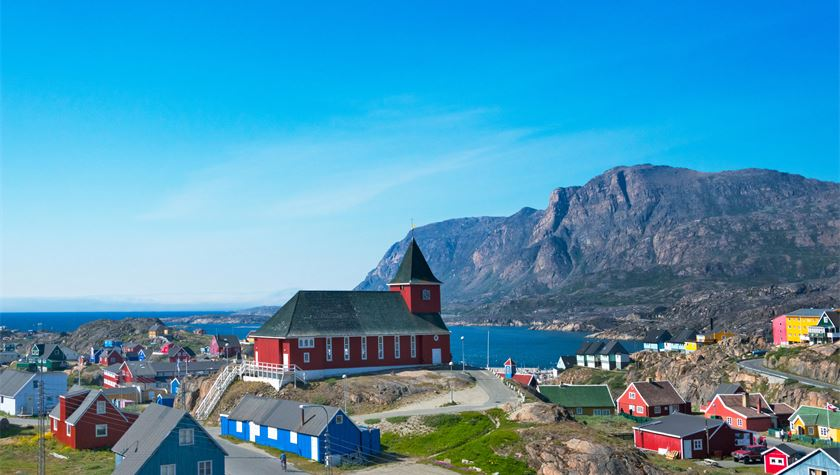
Greenland’s colonial past could be Washington’s way in – Greenland’s legacy of Danish colonialism, forced relocations and cultural trauma may now become the opening Donald Trump needs to pull the island away from Europe’s orbit.

When US President Donald Trump first mused about a Greenland takeover, the initial reactions were a blend of disbelief, bemusement and nervous laughter. It felt like yet another outlandish flourish, and marginally more realistic than annexing Canada.

But beneath the jokes sat a truth few confronted: Greenland’s position within Europe is fragile. The island bears deep scars from Danish colonialism, depends heavily on Danish funds and exists in a constitutional limbo: tied to Denmark, yet outside the EU’s political system. Those unresolved tensions leave Greenland politically unanchored, and exposed.
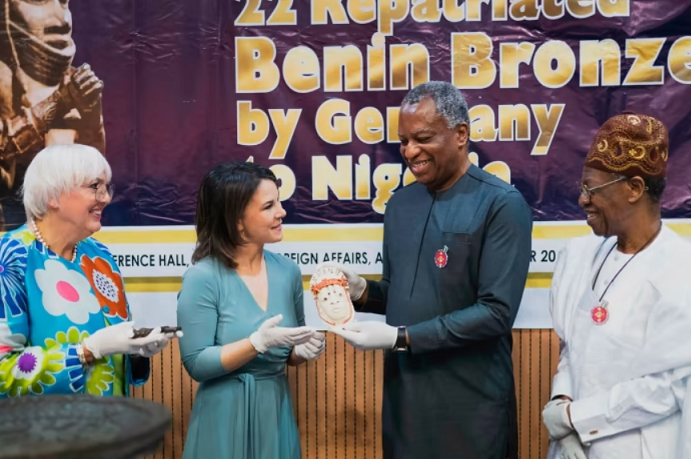
Healing The Wounds Of German Colonialism

In a country Germans never set foot in, much less colonized?

Seems like there’s just never enough guilt to go around these days. But hey, if it makes you feel good, I mean virtuous, run with any guilt you can find (or steal, or make up).

But you know, personally, I think sending Nigeria 20 Greens instead of 20 Bronzes would have been a much nicer gesture.

Germany had hoped that by returning 20 Benin Bronzes to Nigeria last year it was “healing the wounds” of colonialism and righting a historic wrong.

But when it emerged that ownership of the repatriated objects will pass to the king of Benin rather than the Nigerian state, Berlin found itself facing a PR nightmare.

“The government has recklessly consigned African world heritage to oblivion. The pieces will vanish into the private possession of a Nigerian king.”

“This should be a wake-up call to end the hyper-moralism in the whole restitution debate.”