Because they’re only going to send back 100 rejects, 20 from from five nations.
At least for starters.
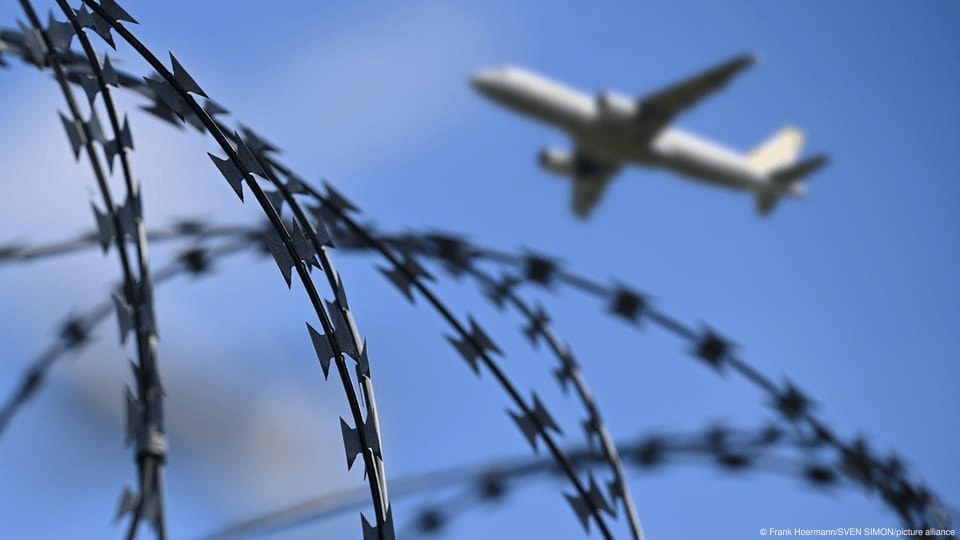
Rwanda migrant deportation hub scheme condemned by rights groups – A number of human rights groups have spoken out after Germany, along with Denmark, Austria, Greece and the Netherlands, announced plans to set up a hub for rejected migrants in Rwanda.
The deportation center would be the first such facility outside the European Union.
It won’t be long before every third euro spent by the German government will be financed through Schulden, Schulden, Schulden.
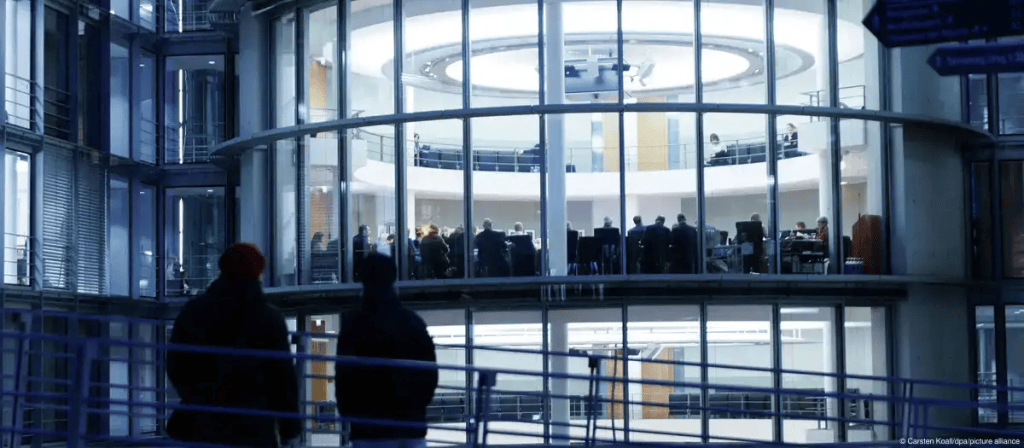
Germany’s 2027 budget: A record €561 billion and a mountain of debt – The 2027 federal budget proposal has finally been hammered out and is set for a vote in parliament. What are the government’s policy priorities in defense, infrastructure, the economy and social spending?
Following nearly 16 hours of negotiations, lawmakers from the conservative Christian Democratic Union(CDU) and Christian Social Union (CSU) parties, along with their coalition partners from the center-left Social Democratic Party (SPD), voted in favor of the 2027 draft budget. The opposition parties — the environmentalist Greens, the socialist Left Party and the far-right Alternative for Germany (AfD) — voted against it. With that, the way is now clear for the final vote in the Bundestag on November 27.
Reading through the nearly 1,000-page document requires a great deal of number-crunching. Next year, the federal government plans to spend around €561 billion ($620 billion).
But here’s the problem: it won’t collect nearly enough revenue to cover these expenses. With a shortfall of €123 billion, borrowing will be needed to bridge the gap.
Over 60% of German female soldiers subjected to sexual harassment, survey says – Report comes as German military seeks to expand amid growing need for young recruits.
More than 60% of female German soldiers said they had been subjected to sexual harassment during their service, Der Spiegel news magazine reported Wednesday, citing a survey.
Of the more than 4,000 female soldiers who responded to a questionnaire from the Potsdam-based Center for Military History and Social Sciences, well over 60% reported having been subjected to sexual harassment during their service.
German of the day: Streichen. That means to cut. As in jobs.
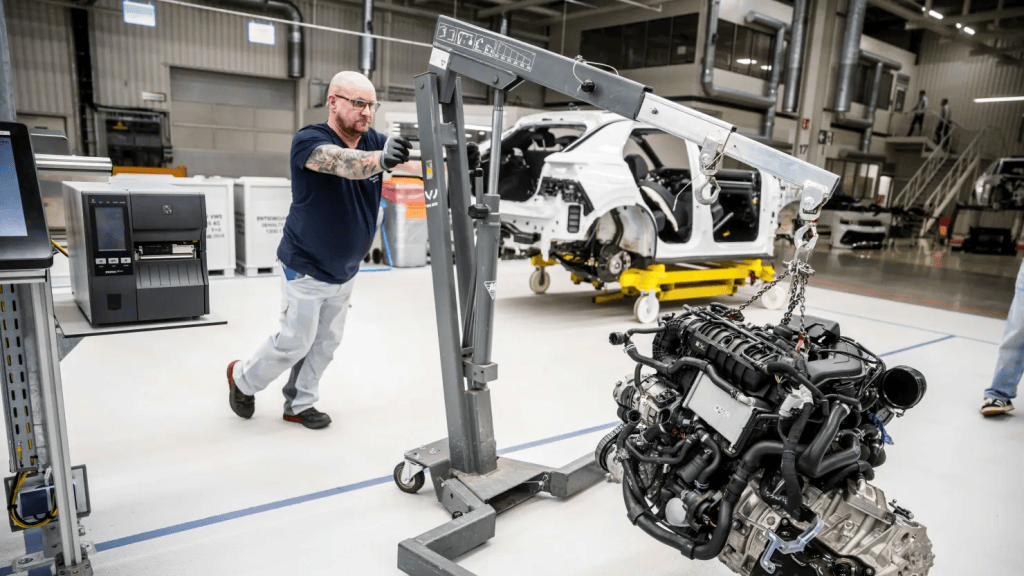
‘Industry crisis’: Germany’s auto sector faces fresh cuts as Schaeffler axes 3,460 jobs and eyes defense – Car parts maker Schaeffler said Tuesday it would cut 3,460 jobs and shutter five of its sites across Europe, blaming an “automotive industry crisis” amid a struggle against economic headwinds, overseas competition and technological change.
Approximately 2,660 of the jobs and four of the five sites affected are in Germany, including Schaeffler’s plants in Dortmund and Morbach, which manufacture products for internal combustion engines. Operations will also be discontinued at its Berlin and Schwalbach sites, and toolmaking will cease at Höchstadt. Capacity will be adjusted in Haguenau and Toulouse, France, as well as Skalica and Kysuce in Slovakia.
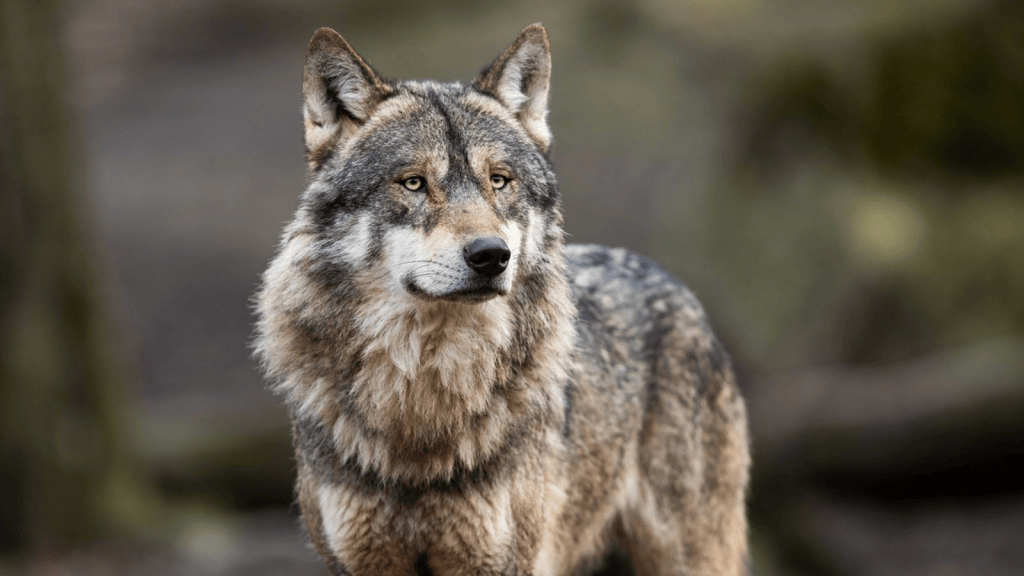
Germany: Eight-year-old girl seriously injured in wolf attack at wildlife park – The incident comes after a number of other animal attacks at zoos and wildlife parks across Europe in recent weeks.
An eight-year-old girl has been seriously injured in a wolf attack at a wildlife park in Germany.
Police said the girl had been inside an enclosure with a staff member and two other children when the attack happened at the Johannismühle wildlife park in Brandenburg, near Berlin, on Wednesday.
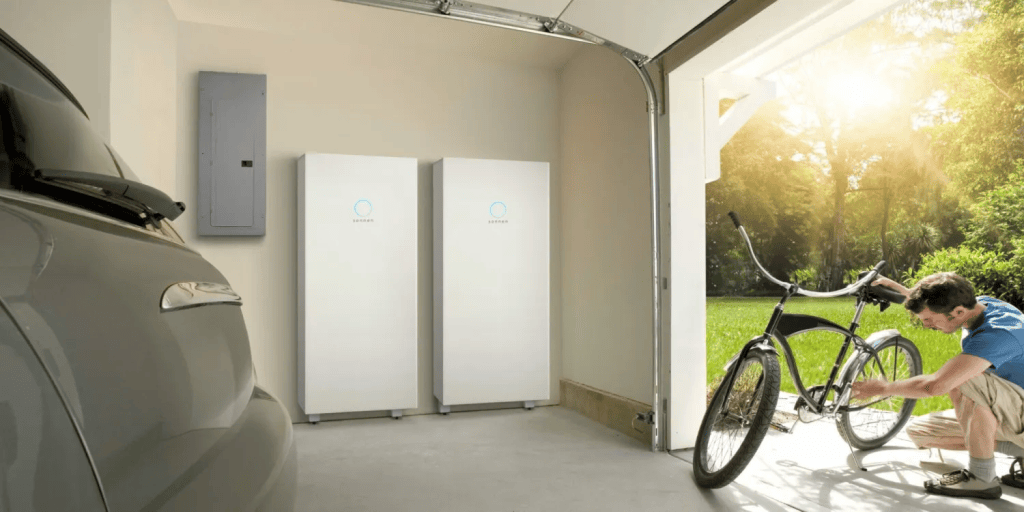
sonnen files for insolvency in Germany as US sales double – Residential battery storage maker sonnen is reporting two very different stories today: Its German business has filed for insolvency, while sonnen USA says sales have doubled and it’s preparing to expand.
BioNTech to close 3 sites in Germany after failed buyer search – BioNTech is set to shutter multiple sites in Germany, impacting about 1,800 jobs, after efforts to find buyers fell through.
BioNTech announced plans to exit three German sites in May, as the mRNA pioneer adjusts production capacity in response to a sharp drop in global COVID-19 vaccine demand while pivoting to its developing oncology pipeline. At the time, the German company said it was exploring potential divestment options, including a partial or total sale, for the manufacturing sites.
“Despite the intensive efforts of all parties involved and a broad-based sales process, it was unfortunately not possible to realize a sale,” a BioNTech spokesperson told Fierce in a statement.
Although why all these tweaked versions of climate simulations (all incorrect, as usual) would interest anybody is rather mysterious.
Germany Is Building a Digital Noah’s Ark for US Climate Data – Wary of Trumpian tampering, scientists have taken matters into their own hands…
Under normal circumstances, the DKRZ’s mission is to provide computing power and storage to the German climate science community. But these new racks will serve a different and highly sensitive purpose: They will store backup versions of climate simulations from the other side of the Atlantic. The operation aims to ensure that essential work performed by US scientists for the next major U.N. climate assessment, due in 2029, cannot be meddled with or compromised by the administration of President Trump, which has slashed funding for climate research, buried scientific reports, removed references to human-caused warming from dozens of government websites, and sought to prevent satellites from collecting key climate data.
That’s behind it. At least when it comes to the AfD.
What’s behind the rising polarization in German politics?
Recent state elections in Germany saw wins for parties on the political fringes, while parties in the center struggled. What is behind this realignment? And is it here for good?
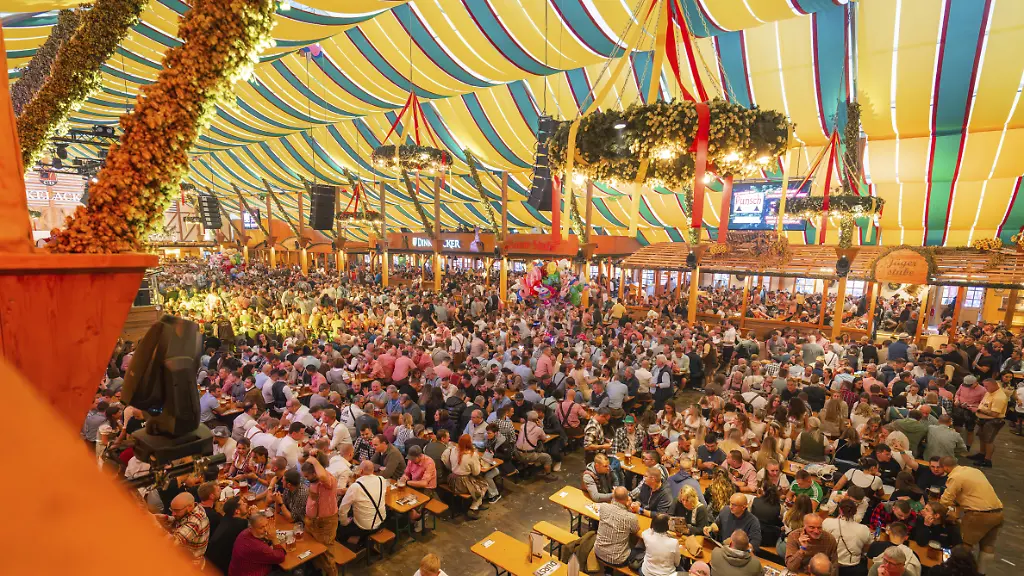
Oktoberfest: A Maß of beer (one liter) costs five times as much as it did in 1985 – Beer prices at the Wiesn (Oktoberfest) —or rather, the frustration over them—have been a topic of discussion in Munich for decades. In raw numbers: This year, a Maß of beer costs an average of 15.61 euros, 2.4 percent more than last year.