Sooner or later they’ll figure out that this is bat shit crazy.
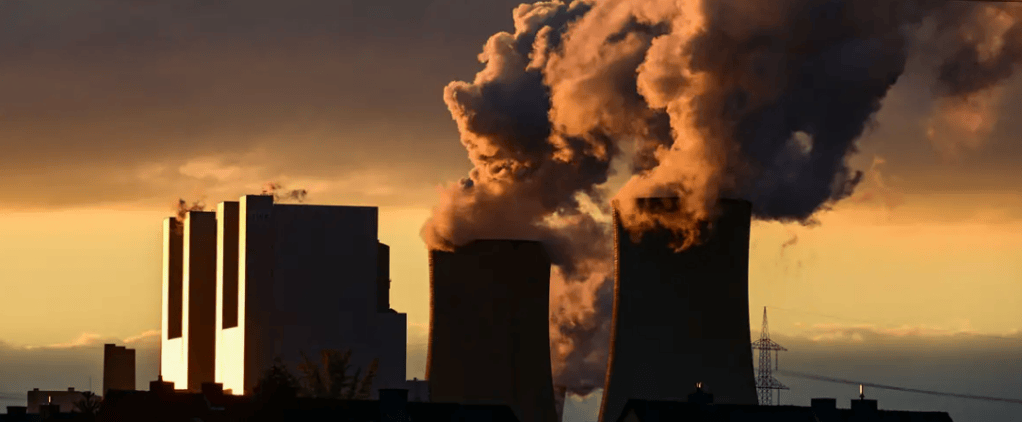
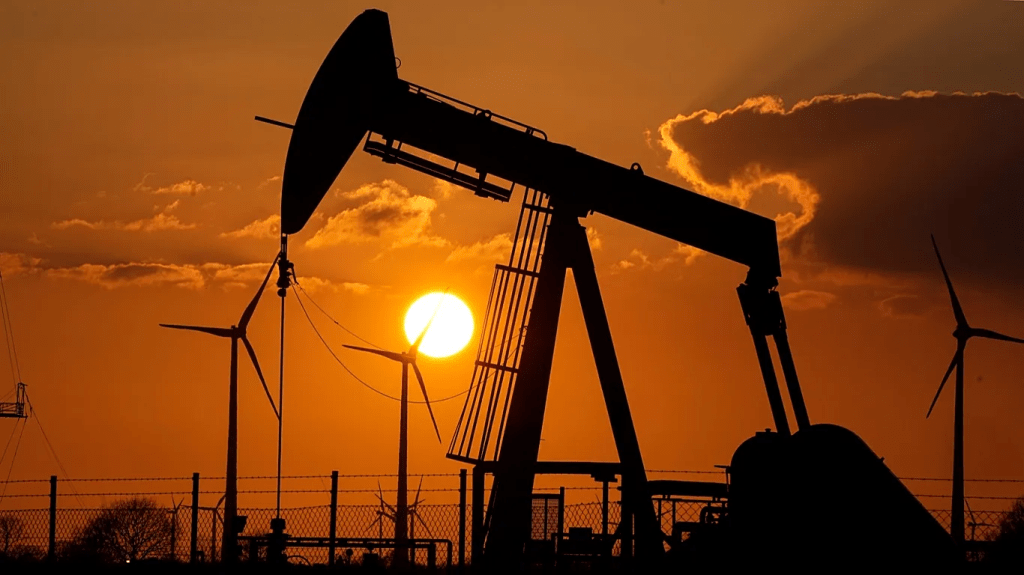
Germany sets out plan to phase out fossil fuels by 2045 – Germany has said it plans to phase out the use of coal, oil and gas by 2045, reaffirming a climate strategy focused on electrification.
“Our road map is intended to set an international example. I am sure that many other countries will follow.”
Allegation: “Climate Terrorism” – Police Release Wanted Photos Following Power Grid Sabotage
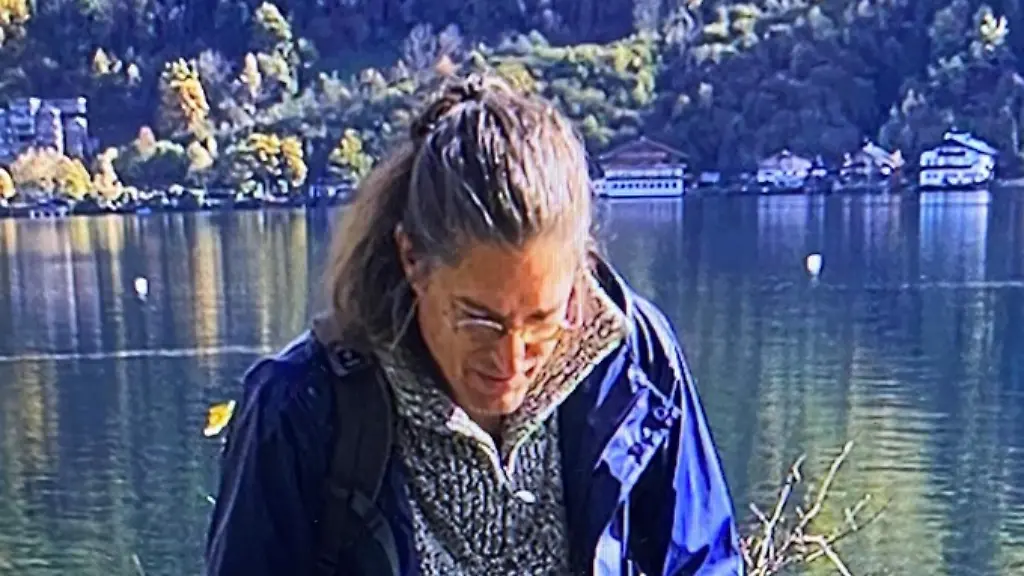
There have been attempts at sabotage against the power grid in three federal states. Investigators have already located the vehicle belonging to the alleged author of a letter claiming responsibility. Authorities are searching for the fugitive suspect using two mug shots.
Police are continuing their intensive search for a man suspected of carrying out acts of sabotage against the German power grid. The incidents are concentrated in North Rhine-Westphalia, Brandenburg, and, most recently, Saxony. Lignite is still being mined and used to generate electricity in all three states. In connection with the incidents, police and prosecutors in Brandenburg and North Rhine-Westphalia have now issued a joint appeal for information, including two photos of the 48-year-old suspect, and are asking the public for tips.
The recent outbreak of CAF (Climate Action Fatigue) is still spreading across the Federal Republic of Germany.
Media authorities are highly concerned and have intensified their efforts to get German minds back under control. Unnamed sources say they may even have to call for the mandatory use of face masks.
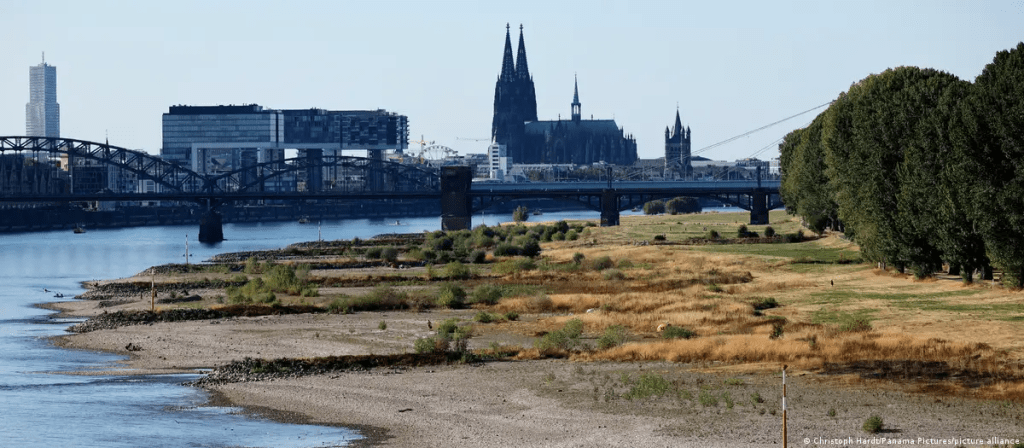
In Germany record heat meets climate action fatigue – For the German government climate action does not seem to be a priority — despite record temperatures, heat-related deaths and drought. Why don’t more people take to the streets in protest?
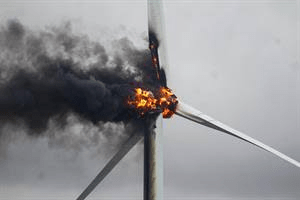
Germany Is Reducing Its Subsidization of Renewables – Germany, with some of the highest electricity rates in the world, is reducing its subsidies on some renewable energy programs to better control costs and limit price increases.
Germany plans to scale back renewable-energy subsidies as the country overhauls its funding system, seeking to reduce energy transition costs and address growing pressure on the electricity grid.
Air conditioning in Germany is now officially a good thing.
Greens’ Dröge calls for air conditioning push in public facilities – The co-leader of Germany’s Greens, Katharina Dröge, appeals in this week’s Bild am Sonntag newspaper for rapid moves to install air conditioning units in key public buildings.
You know. Key public buildings like the German Bundestag.
Unlike the US or parts of Asia, many homes in Germany and northern Europe aren’t equipped to deal with extreme heat. But as the world gets hotter, trends are changing.
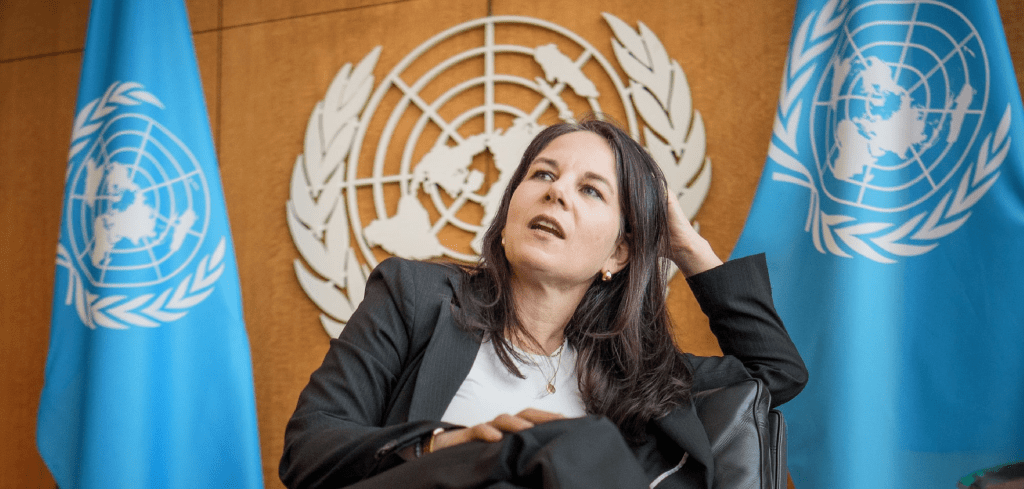
After UN fiasco: Former African president harshly criticizes Baerbock – “condescending.”
On the sidelines of a summit of African leaders in Nairobi, Botswana’s former President Mokgweetsi Masisi spoke to Bild in strong terms: “Perhaps Ms. Baerbock should have focused on doing her job in German diplomacy instead of trying to dictate to Nigerians where to build their toilets and telling Africans how to deal with elephants.” Masisi added: “Perhaps Germany would then have received more votes from Africa for the UN seat.”
And that kind of sort of rhymes with Baerbock, which also means to bungle.
Verbaerbockt?
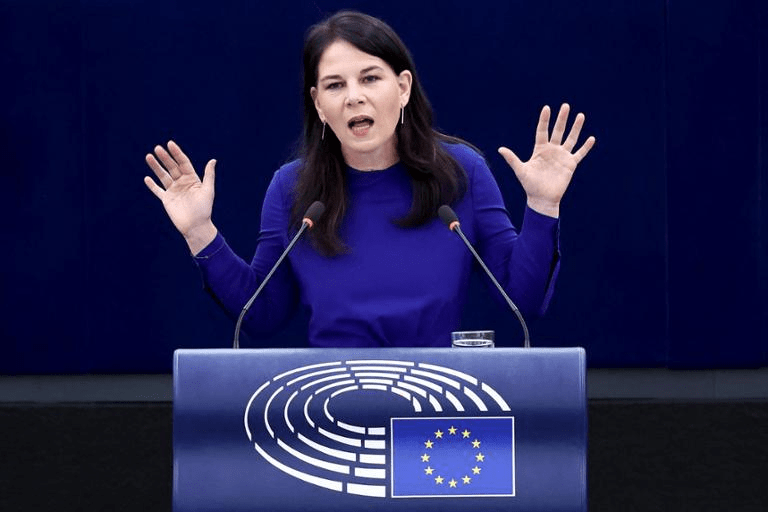
“Baerbock blew it” – CDU/CSU calls for an inquiry into the Green Party politician following the UN defeat – CSU foreign policy expert Stephan Mayer is calling for an investigation into Germany’s failure to secure a seat on the UN Security Council. Former Foreign Minister Annalena Baerbock must answer questions before the Foreign Affairs Committee.
Following Germany’s failure to secure a non-permanent seat on the UN Security Council, the CDU/CSU is stepping up pressure on former Foreign Minister Annalena Baerbock. CSU foreign policy expert Stephan Mayer is calling for the Green Party politician to be questioned in the Bundestag, as reported by “Bild.”
“We must thoroughly investigate the causes of this embarrassing election defeat,” Mayer said. To that end, he added, “it is absolutely essential that Annalena Baerbock answer questions from the Bundestag’s Foreign Affairs Committee.” The former foreign minister must explain “how and when her office took specific steps to mobilize majorities in support of Germany’s bid for a non-permanent seat on the Security Council.”
Germany’s Slow Industrial Suicide – The climate left is achieving its goal of de-industrialization.
If the road to economic hell is paved with good intentions, don’t expect to see many German cars driving on it. Green mandates and other regulations are killing jobs in the long-revered German auto industry, as a new report from an industry association warns.
Germany has lost some 100,000 auto-related jobs since 2019, says the German Association of the Automotive Industry, or VDA. Another 125,000, or one in six current jobs in the industry, are on track to disappear by 2035.