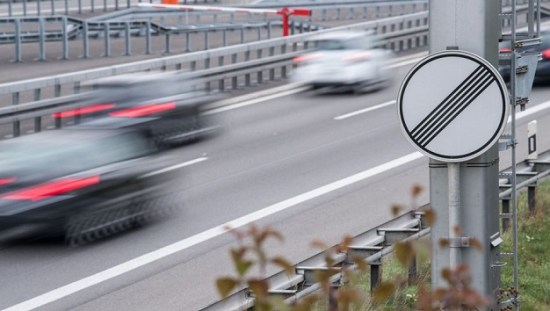
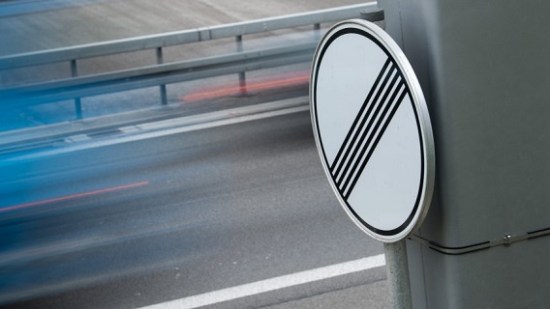
German of the day: 320 km/h

That means 199 mph.

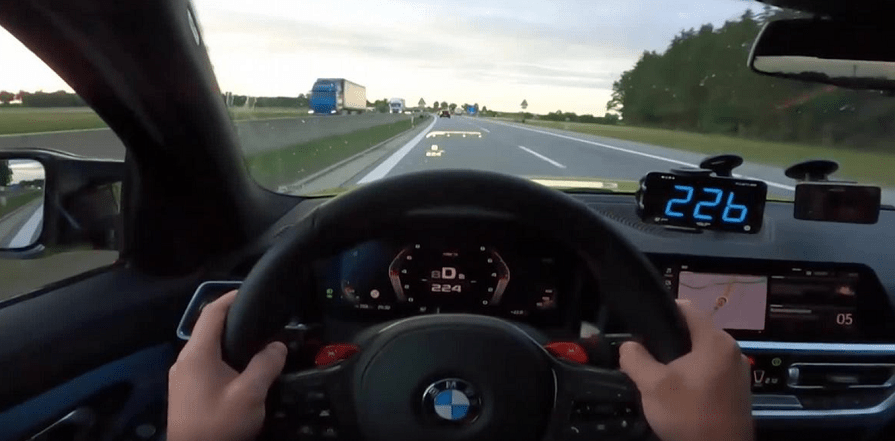
A speeding motorist driving at 199 mph on Germany’s Autobahn is fined more than $1,000 – A motorist was clocked driving at more than 320 kph (199 mph) on the Autobahn west of Berlin, a record high at more than 124 mph above the speed limit, German police said.

The speedster, who was not identified, was caught while racing along the A2 highway near Burg on July 28.

The driver was handed a fine of 900 euros ($1,043), stripped of two points from his driver’s license and banned from driving for three months, the Magdeburg police office said Tuesday.

In a word, “no”

Or nein, if you prefer.

Another Green daydream comes to its inevitable end. Sheesh. German Greens don’t even know what country they live in.

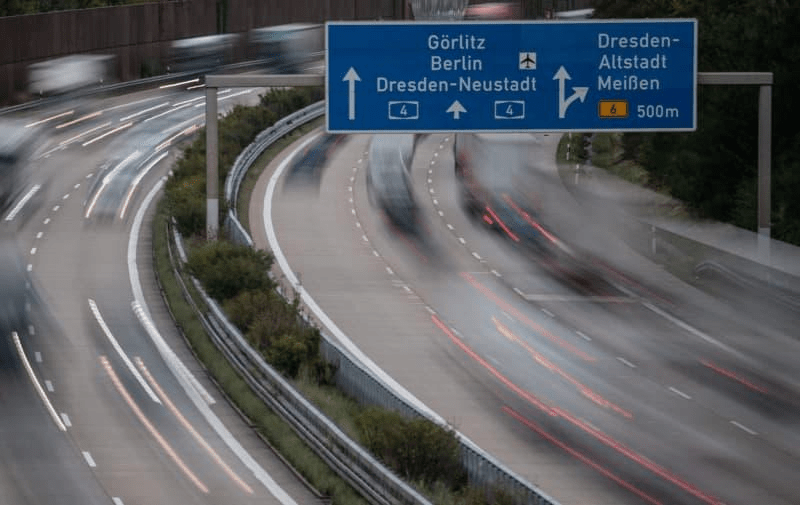
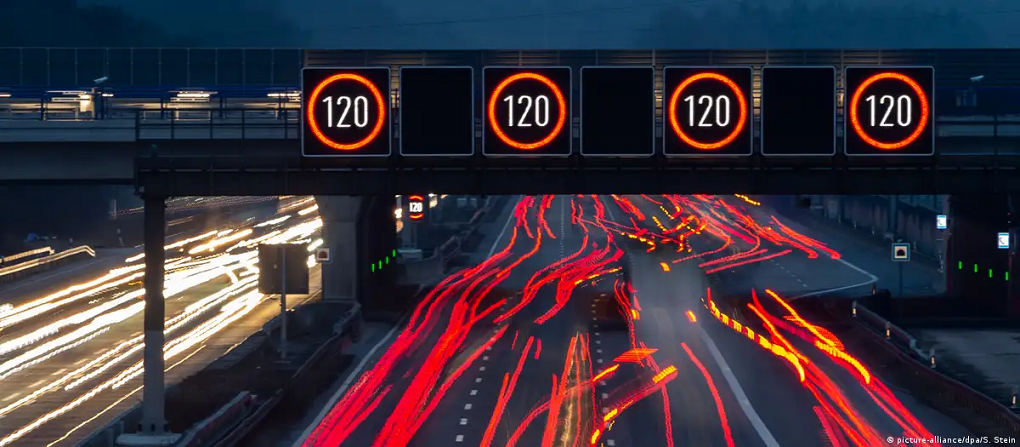
Germany’s Autobahn — finally time for a speed limit?

The majority of Germans want a motorway speed limit, and environmental groups say it would help cut emissions. But are their arguments strong enough to convince those opposed to slower speeds on the Autobahn?

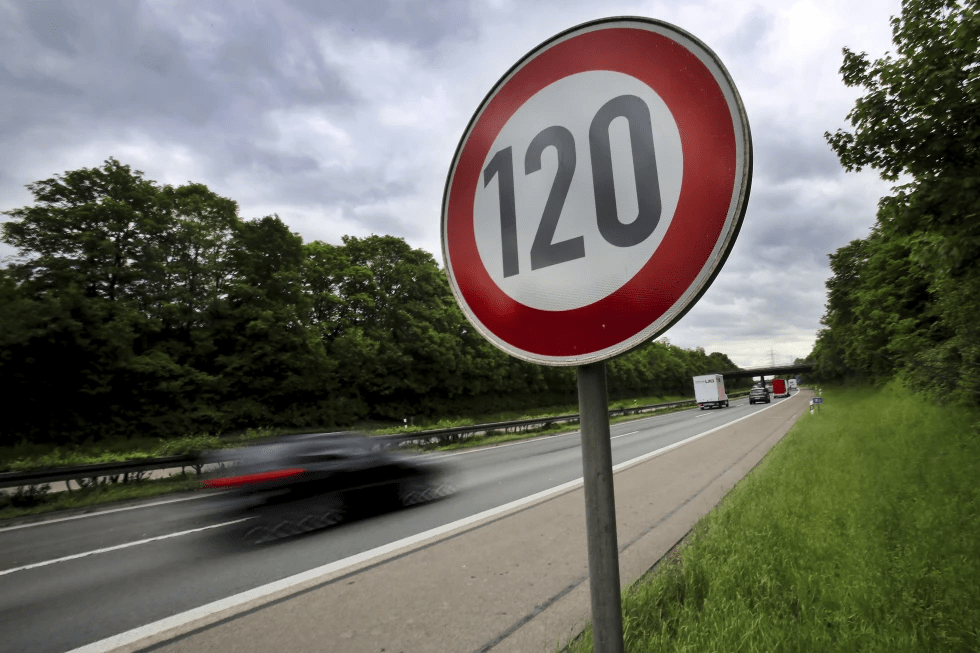
PS: A limit of 120 MILES per hour (image) might fly, but I doubt it.

The Real Reason Why Germans Won’t Stop Speeding?

Like, duh. Because they like it.

This ain’t rocket science or anything.

The real reason Germans won’t stop speeding – If Germany would implement a speed limit on its highways, it could reduce millions of tons of carbon emissions each year. Most other rich industrial countries already have one. What’s behind this German love of speeding?

What A Shocker

Not. Again. Yawn.

Speed

The latest proposal to introduce a general speed limit on German autobahns has not received the needed support from lawmakers.

I’ve never understood this. From time to time the Greens & Co. suggest that Germans reduce their speed on the autobahn. It’s a fine idea, I guess. In theory. But that would be like asking Americans to turn in their guns. It ain’t never going to happen.

Der Vorschlag des Umweltausschusses, die geplante Änderung der Straßenverkehrsordnung um eine Höchstgeschwindigkeit von 130 Kilometern pro Stunde zu ergänzen, fand am Freitag in Berlin wie erwartet keine Mehrheit in der Länderkammer.

German Of The Day: Geschwindigkeitsbegrenzung

That’s a beauty, isn’t it? Some prefer using the word Tempolimit instead. To save time. Both mean “speed limit,” however. And no, it can’t happen here.

Speed

A measure to introduce a 130 km/h (roughly 81 mph) speed limit on the network of motorways that has crisscrossed the country since the ‘30s was introduced by the German Green Party was rejected on Thursday by a majority of Bundestag members. Germany is currently the only country in Europe with stretches of unrestricted motorways, with neighboring countries conforming at the very least to the 130 km/h limit similar to the one proposed.

Bundestag lehnt Tempolimit auf Autobahnen ab.

German Of The Day: Stau

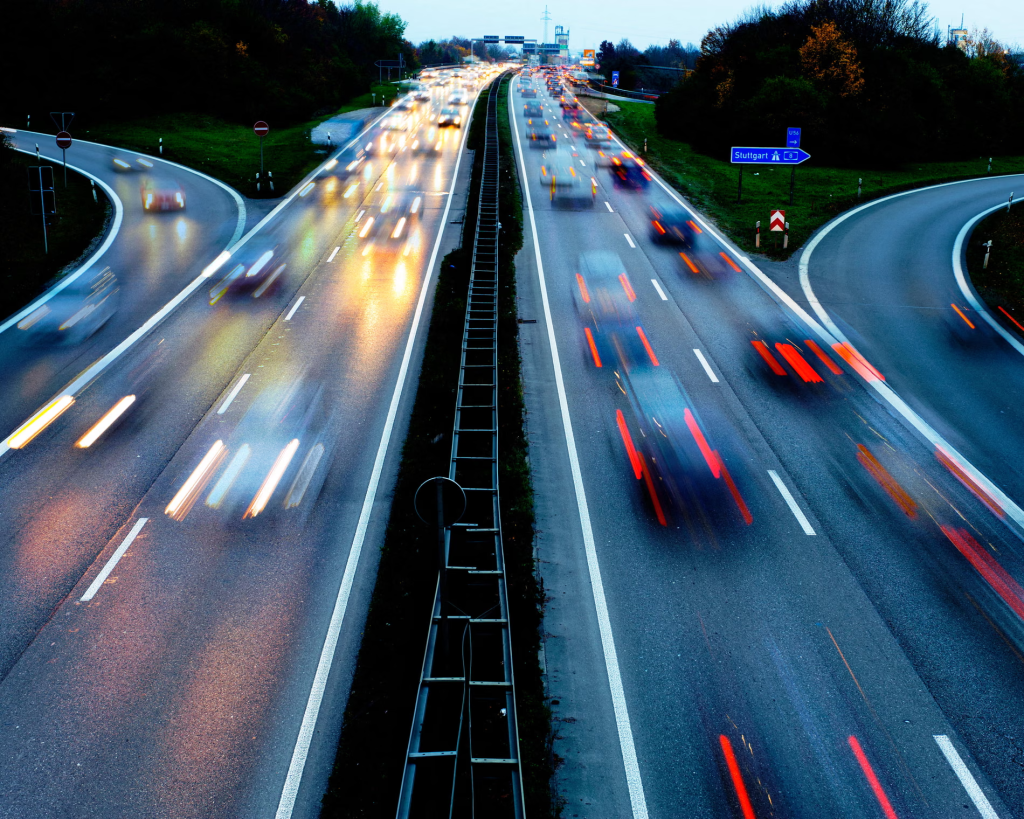
That means traffic jam. And there were 745,000 thousand of them last year on Germany’s highways, folks. A new German record.

Stau

Experts have calculated that if you were to place all these traffic jammed automobiles bumper to bumper it would give you a stretch of automobiles having a total length of 1.5 million kilometers. That wouldn’t do you any good, though. You’d still be in a Stau.

So please remember this the next time someone raves about being able to drive as fast as you want on parts of the German Autobahn. That’s true, of course, but it will invariably be on the parts of the German Autobahn with traffic jams on them..

Die Fahrzeuge standen auf einer Gesamtlänge von rund 1,5 Millionen Kilometern.
Wind Energy Still Safer Than Nuclear Energy

Unless you’re a bird, of course. Or you’re a truck driver transporting turbine blades on a German autobahn.

Wind

The giant turbine blade fell when the transporter which was transporting it was involved in an accident on the A33 autobahn near Bielefeld. The blade was knocked across the entire width of the autobahn when another lorry ran into the back of one of the transporter’s escort vehicles.

Auf der A33 ist am Dienstagmorgen ein Lastwagen mit einem Schwertransport kollidiert, der den Flügel eines Windrades transportiert hatte. Der Lastwagen ist laut Polizei zunächst in das hintere Begleitfahrzeug des Schwertransportes gefahren. Wie das passieren konnte, ist noch unklar.