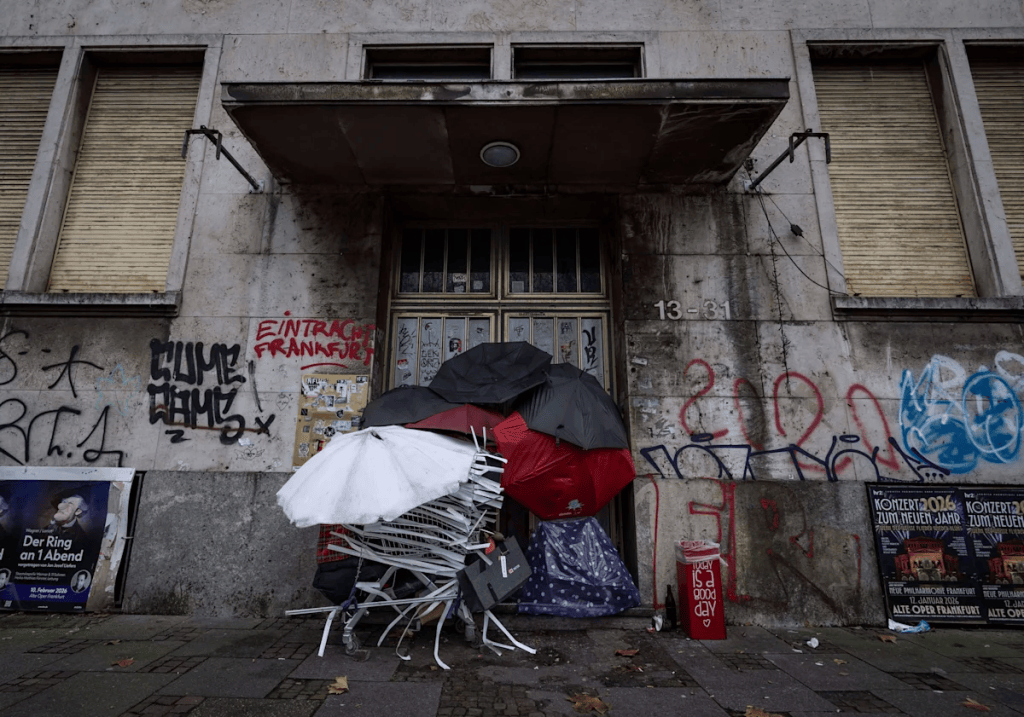
Homelessness concerns over 27,000 forced evictions in Germany in 2025 – Bailiffs carried out more than 27,446 forced evictions in Germany last year, the vast majority of them involving residential property, according to the Justice Ministry in Berlin.
For 2025, the statistics also registered around 41,200 eviction orders – 6,000 more than in 2024.
However, the government has no information on which households are affected by the evictions or how many people become homeless as a result, the Rheinische Post newspaper reported on Saturday.
It won’t be long before every third euro spent by the German government will be financed through Schulden, Schulden, Schulden.
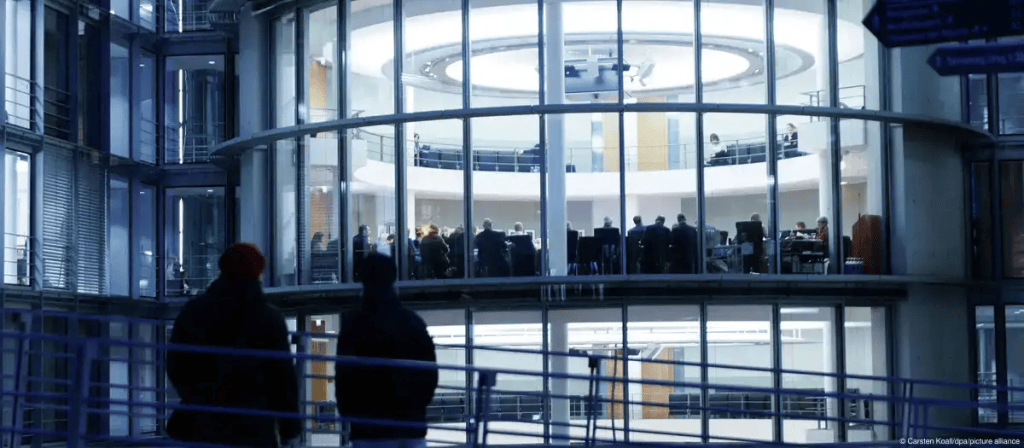
Germany’s 2027 budget: A record €561 billion and a mountain of debt – The 2027 federal budget proposal has finally been hammered out and is set for a vote in parliament. What are the government’s policy priorities in defense, infrastructure, the economy and social spending?
Following nearly 16 hours of negotiations, lawmakers from the conservative Christian Democratic Union(CDU) and Christian Social Union (CSU) parties, along with their coalition partners from the center-left Social Democratic Party (SPD), voted in favor of the 2027 draft budget. The opposition parties — the environmentalist Greens, the socialist Left Party and the far-right Alternative for Germany (AfD) — voted against it. With that, the way is now clear for the final vote in the Bundestag on November 27.
Reading through the nearly 1,000-page document requires a great deal of number-crunching. Next year, the federal government plans to spend around €561 billion ($620 billion).
But here’s the problem: it won’t collect nearly enough revenue to cover these expenses. With a shortfall of €123 billion, borrowing will be needed to bridge the gap.
Germans hate surprises. “Was nicht ausdrücklich erlaubt ist, ist verboten.” Anything not expressly permitted is prohibited. If Trump’s not careful here, there could soon be a peace deal for Ukraine. Without Europe having participated. As usual. Which is no surprise at least.
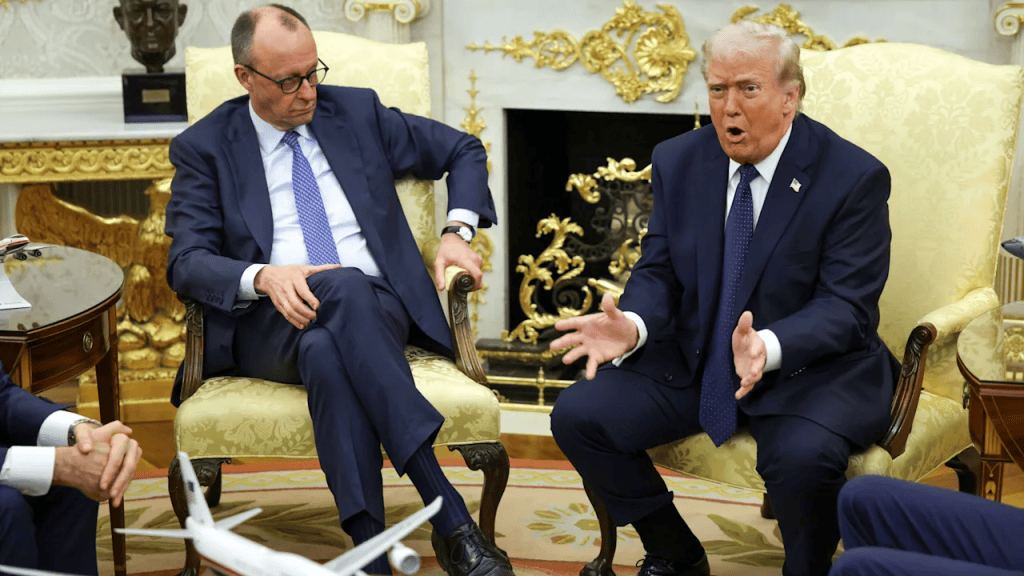
Merz Warns Trump About a Mega-Summit with Xi and Putin – This meeting will go down in history—and there is great concern about hasty deals that could come at the expense of Ukraine and Europe! U.S. President Donald Trump (80) announced on Friday that he would meet directly with Chinese leader Xi Jinping (73) and Kremlin dictator Vladimir Putin (74). Chancellor Friedrich Merz (71, CDU) reacted immediately to the news—and, as a precaution, has already issued an appeal to Trump…
Merz and the Europeans are watching this meeting with concern. They fear that the three world powers will also reach agreements at the meeting regarding Russia’s war of aggression against Ukraine—and in doing so, will pursue only their own respective interests.
Chancellor Merz has therefore called on the U.S. president to stand with Ukraine alongside European allies. He wants to convey the message to the U.S. “very clearly”: “Please, no surprises. Keep playing on Team Europe and on the same team as Ukraine, and let’s work together for true peace in Ukraine!”
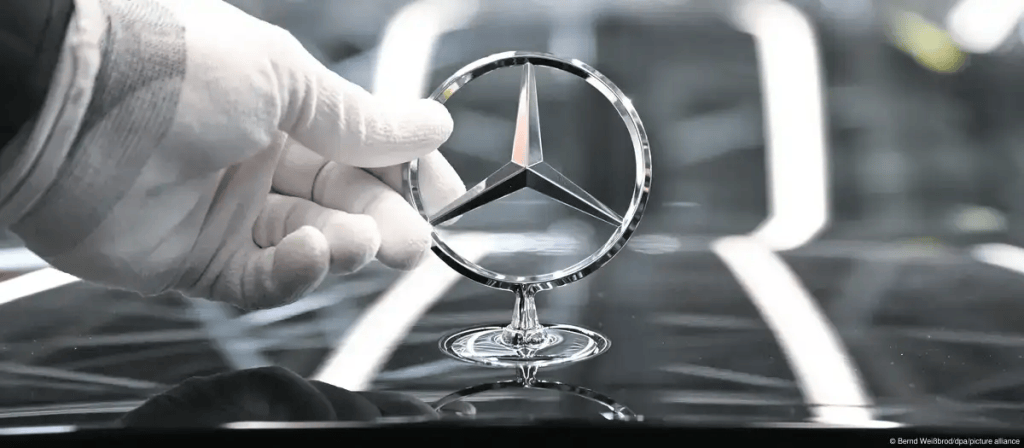
Mercedes-Benz halts all further investment at German facilities – The announcement comes as the luxury German automaker faces increasing pressure from the works council and trade unions.
Mercedes-Benz announced on Thursday that it was halting all further investment at its German sites for the time being.
“The executive board has jointly decided to halt all further investments in German sites,” Mercedes board member Michael Schiebe said in a memo on the company’s intranet that was seen by the AFP news agency.
The company is also weighing plant closures, the memo added.
In this case it also means failed. As in don’t work. As in dumb idea that nobody is willing to admit.
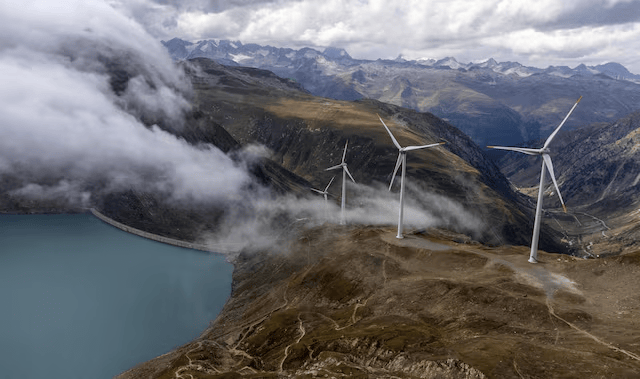
Europe’s shrinking flexible power cushion leaves Germany exposed – German power prices have hit their highest since 2022. While weak wind output and higher gas costs triggered the rally, the root cause is Europe’s shrinking flexibility cushion.
Germany’s latest power shock reveals a challenge that is becoming central to Europe’s broader energy transition. The issue is no longer how quickly the region can add renewable generation, but whether the power system can maintain sufficient flexibility when weather-dependent generation falls short.
German of the day: Streichen. That means to cut. As in jobs.
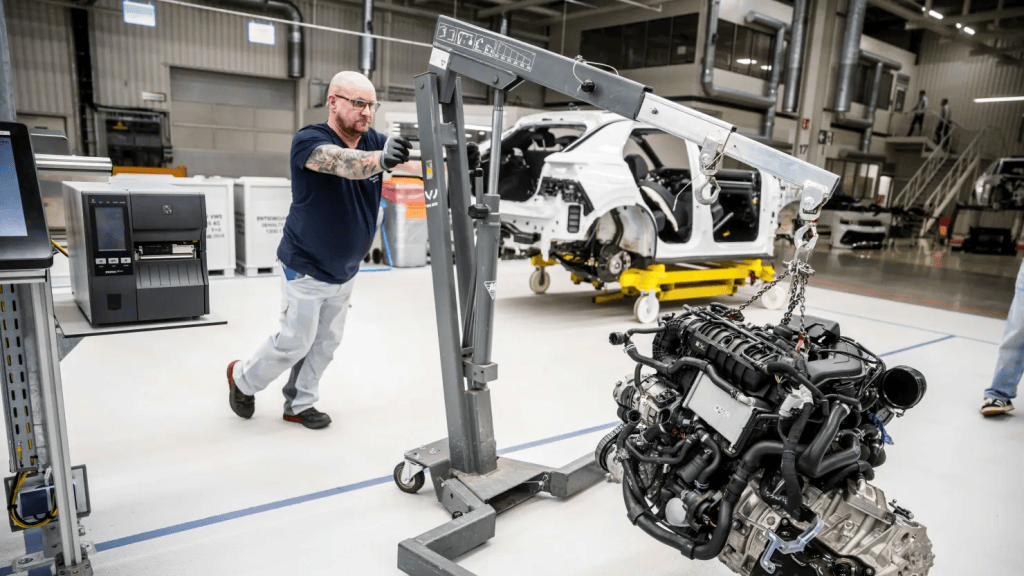
‘Industry crisis’: Germany’s auto sector faces fresh cuts as Schaeffler axes 3,460 jobs and eyes defense – Car parts maker Schaeffler said Tuesday it would cut 3,460 jobs and shutter five of its sites across Europe, blaming an “automotive industry crisis” amid a struggle against economic headwinds, overseas competition and technological change.
Approximately 2,660 of the jobs and four of the five sites affected are in Germany, including Schaeffler’s plants in Dortmund and Morbach, which manufacture products for internal combustion engines. Operations will also be discontinued at its Berlin and Schwalbach sites, and toolmaking will cease at Höchstadt. Capacity will be adjusted in Haguenau and Toulouse, France, as well as Skalica and Kysuce in Slovakia.
Berlin election campaign centers around radical-left drive to seize properties – Following Sunday’s regional vote, a coalition of left-wing parties could move to expropriate apartment buildings as part of a plan to lower rents…
The Left party, which traces part of its history to East Germany’s communist party, is enjoying a political revival after winning a new wave of support from young voters mobilized by the far right’s rise. For its Berlin campaign, the party has taken inspiration from New York City Mayor Zohran Mamdani, employing his focus on cost-of-living issues as a model.
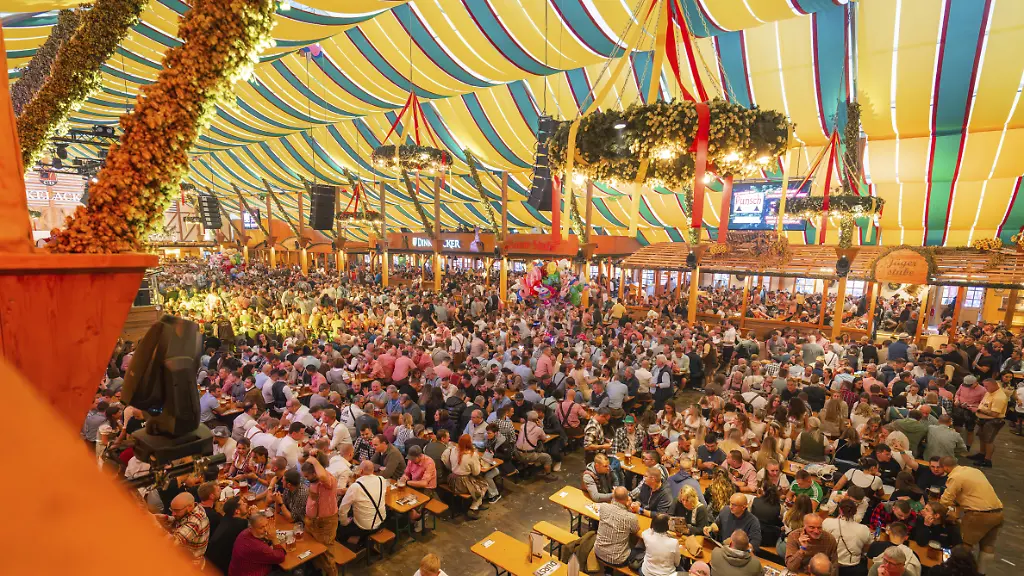
Oktoberfest: A Maß of beer (one liter) costs five times as much as it did in 1985 – Beer prices at the Wiesn (Oktoberfest) —or rather, the frustration over them—have been a topic of discussion in Munich for decades. In raw numbers: This year, a Maß of beer costs an average of 15.61 euros, 2.4 percent more than last year.