Germany to save American climate data from Dr. Evil Himself

Although why all these tweaked versions of climate simulations (all incorrect, as usual) would interest anybody is rather mysterious.
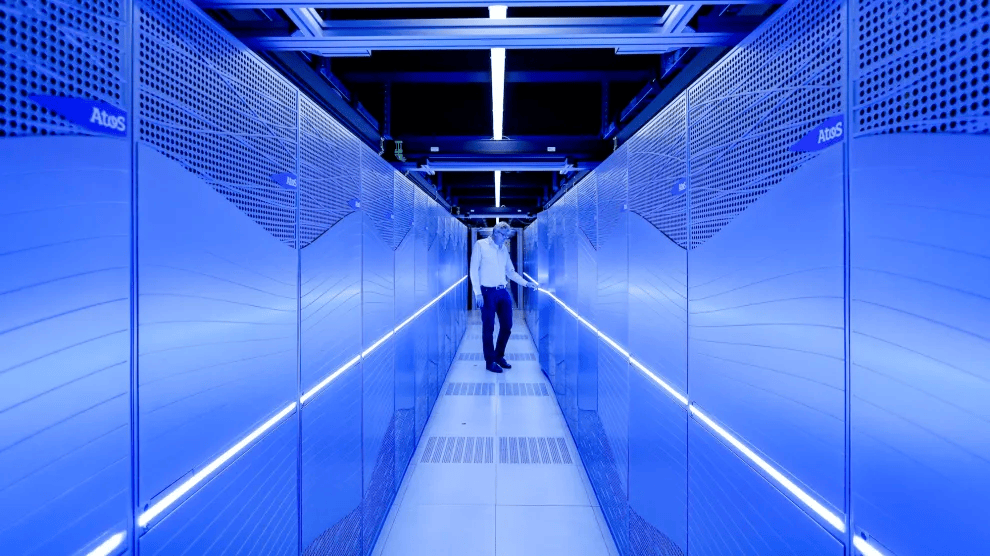
Germany Is Building a Digital Noah’s Ark for US Climate Data – Wary of Trumpian tampering, scientists have taken matters into their own hands…

Under normal circumstances, the DKRZ’s mission is to provide computing power and storage to the German climate science community. But these new racks will serve a different and highly sensitive purpose: They will store backup versions of climate simulations from the other side of the Atlantic. The operation aims to ensure that essential work performed by US scientists for the next major U.N. climate assessment, due in 2029, cannot be meddled with or compromised by the administration of President Trump, which has slashed funding for climate research, buried scientific reports, removed references to human-caused warming from dozens of government websites, and sought to prevent satellites from collecting key climate data.
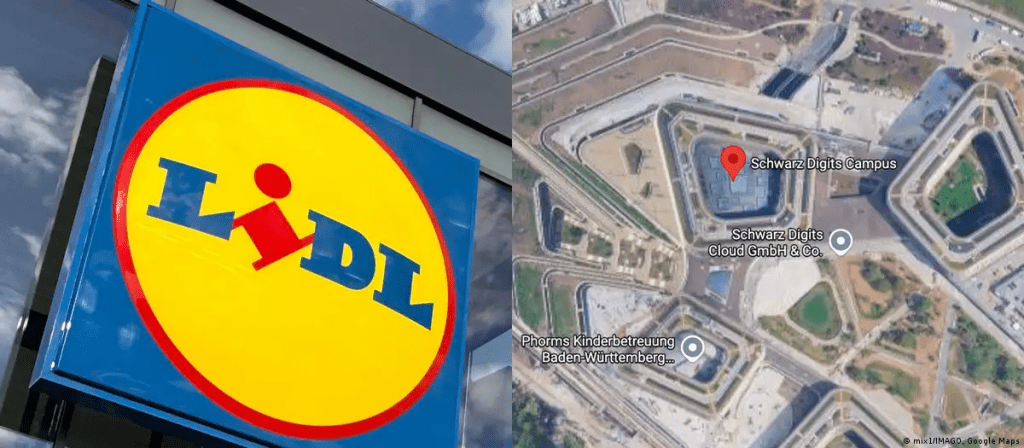

Only ALDI cloud computing is cheaper

German discount supermarket chain data centers?

Why not?

Germany’s richest man takes on Big Tech – Supermarket billionaire Dieter Schwarz is investing billions in his cloud company, Schwarz Digits, to rival Google, Microsoft and Amazon.

When Bernd Wagner walks through his new company’s headquarters, he can barely contain his enthusiasm. He starts rattling off figures like “seven times as much steel as was used to build the Eiffel Tower” or “cables stretching all the way to Naples…”

Running on wind turbines and solar panels?

Good luck with that.

German start-up plans 30-megawatt AI data centre in boost to sovereign control – German start-up Polarise plans to build a new 30-megawatt artificial intelligence ​data centre that would double Germany’s domestically-run computing capacity as European nations push ‌to gain more control over critical tech infrastructure.

The facility, set to come online in the Bavarian town of Amberg in mid-2027, could eventually expand to 120 MW, the company told Reuters.