Sooner or later they’ll figure out that this is bat shit crazy.
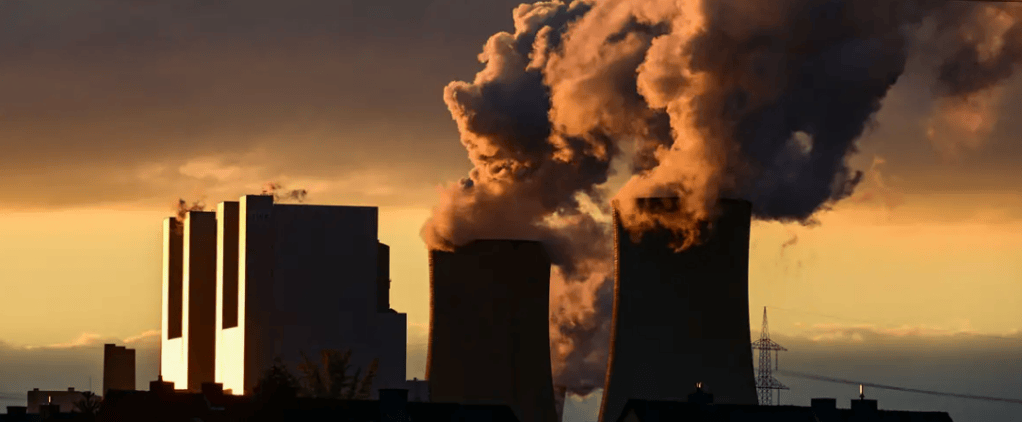
Germany sets out plan to phase out fossil fuels by 2045 – Germany has said it plans to phase out the use of coal, oil and gas by 2045, reaffirming a climate strategy focused on electrification.
“Our road map is intended to set an international example. I am sure that many other countries will follow.”
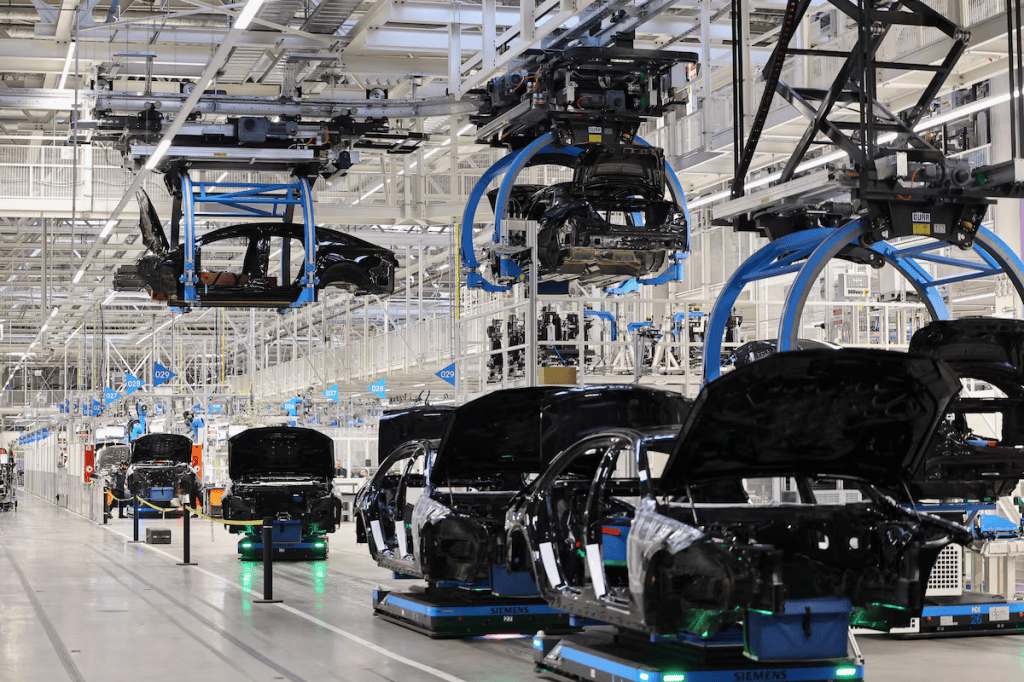
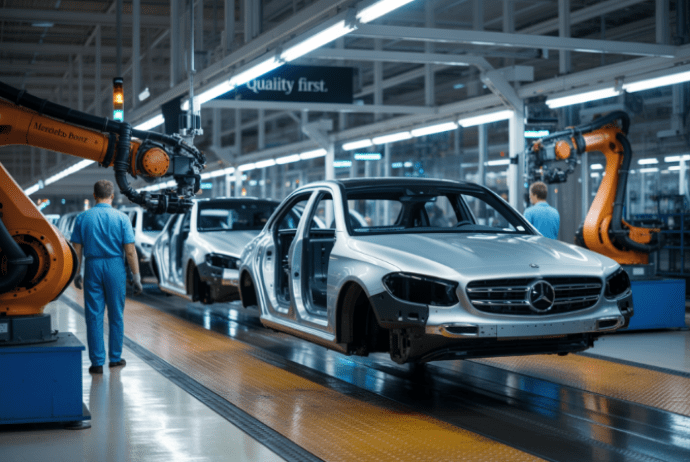
Mercedes-Benz production in Germany is not competitive by international standards, in particular due to high labour costs, the premium automaker said on Tuesday, after a top executive warned workers that two plants could close.
The company wants to maintain plants and employment in Germany, it said in an emailed statement to Reuters. “But to do that, we need framework conditions that boost productivity in Germany,” it added.
German corporate insolvencies hit 13-year high in first half – The number of corporate insolvencies in Germany rose to a 13-year high in the first half of 2026 despite signs of a nascent recovery in Europe’s largest economy, figures from the federal statistics office showed on Friday.
Local courts reported 12,812 corporate insolvency filings from January to June, an increase of 6.7% year-on-year, with transportation and warehousing the most affected sectors.
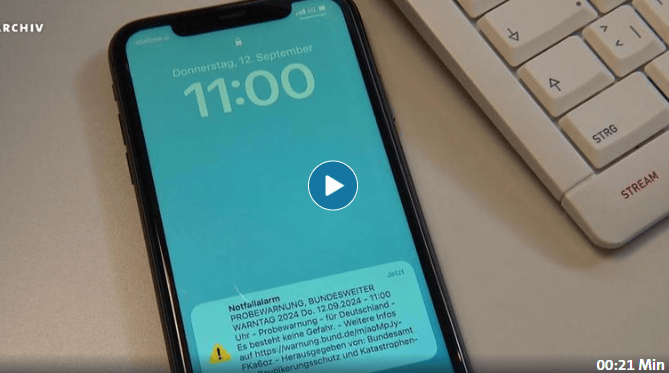
Warning Systems in Germany Are Being Tested – Can authorities reach and warn the public in an emergency? That will be tested today starting at 11 a.m. as part of the nationwide Warning Day. In the past, gaps in the system have repeatedly come to light.
Across Germany, disaster warning systems will be tested on Thursday morning starting at 11 a.m. On the nationwide Warning Day, the federal government, states, and local authorities will trigger a test alert via various channels—including official warning apps such as Nina and Katwarn, as well as the cell broadcast system for cell phones. The media and electronic display boards will also broadcast warning messages. An all-clear is expected to be issued around 11:45 a.m.
Allegation: “Climate Terrorism” – Police Release Wanted Photos Following Power Grid Sabotage
There have been attempts at sabotage against the power grid in three federal states. Investigators have already located the vehicle belonging to the alleged author of a letter claiming responsibility. Authorities are searching for the fugitive suspect using two mug shots.
Police are continuing their intensive search for a man suspected of carrying out acts of sabotage against the German power grid. The incidents are concentrated in North Rhine-Westphalia, Brandenburg, and, most recently, Saxony. Lignite is still being mined and used to generate electricity in all three states. In connection with the incidents, police and prosecutors in Brandenburg and North Rhine-Westphalia have now issued a joint appeal for information, including two photos of the 48-year-old suspect, and are asking the public for tips.
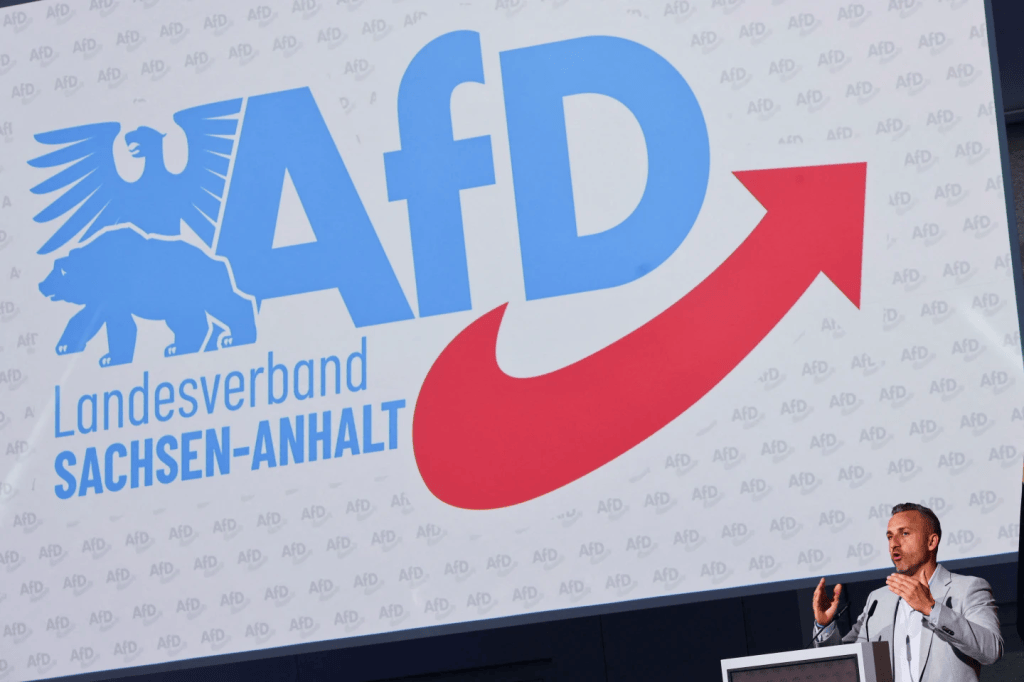
The other Berlin Wall – Germany needs a new strategy for coping with the AfD.
Mainstream parties can’t avoid talking to the hard-right front-runner for ever…
A smattering of German words, such as Blitzkrieg and Schadenfreude, have made their way into other languages. Among the most recent to begin to do so are Zeitenwende (“turning of the times”) and Brandmauer (“firewall”). The first reflects the shift in geopolitical thinking in the wake of Russia’s invasion of Ukraine; the second, mainstream politicians’ determination to isolate extreme parties. However, what was intended to signal that Germans have learned from history has instead plunged their nation into a political crisis.
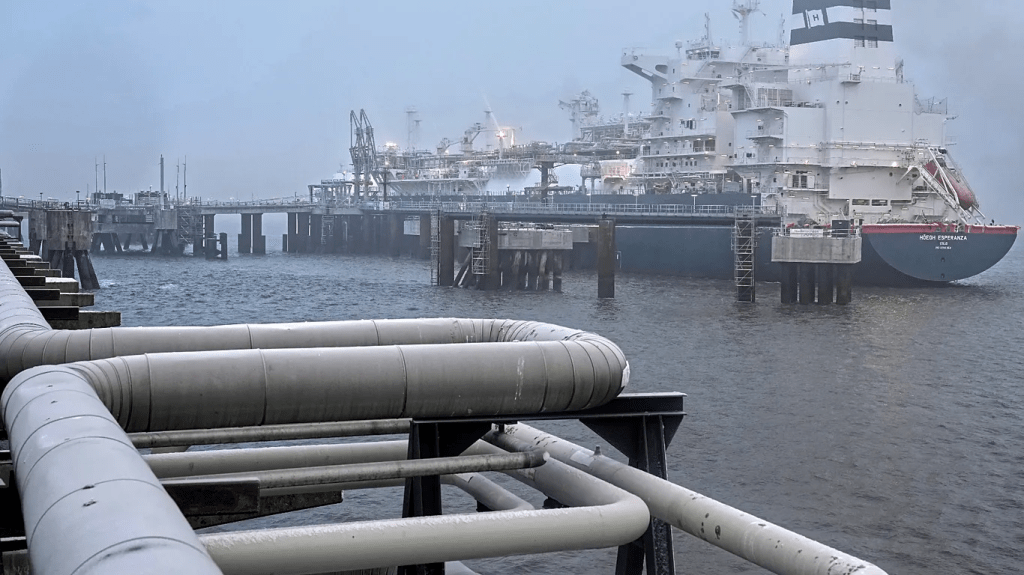
Germany risks missing gas storage target as industry faces cold-winter threat – Germany will miss its November gas-storage target if injections continue at their current pace, the country’s storage association has warned. Although there is no immediate gas shortage, low storage levels combined with a very cold winter could threaten industrial production in the country…
German storage facilities were approximately 51.5% full on 25 August, compared with around 69% a year earlier. Germany is required to reach an aggregate filling level of 70% by 1 November.
German unemployment rises slightly less than expected in August – The number of unemployed people in Germany rose slightly less than expected in August, labour office figures showed on Friday.
In seasonally adjusted terms, the jobless figure grew by 4,000 to 2.996 million, while analysts polled by Reuters had predicted an increase of 5,000.
Germany’s auto industry loses over 42,000 jobs in six months – Germany’s struggling automotive industry is facing further pressure as employment in the sector continues to decline.
According to Germany’s Federal Statistical Office (Destatis), the number of people employed at automotive manufacturing companies fell by 42,300, or 5.8%, in the first six months of the year compared with the same period in 2025.
Following the decline, employment in Germany’s automotive industry dropped to 691,500. This is the lowest level recorded since 2005.
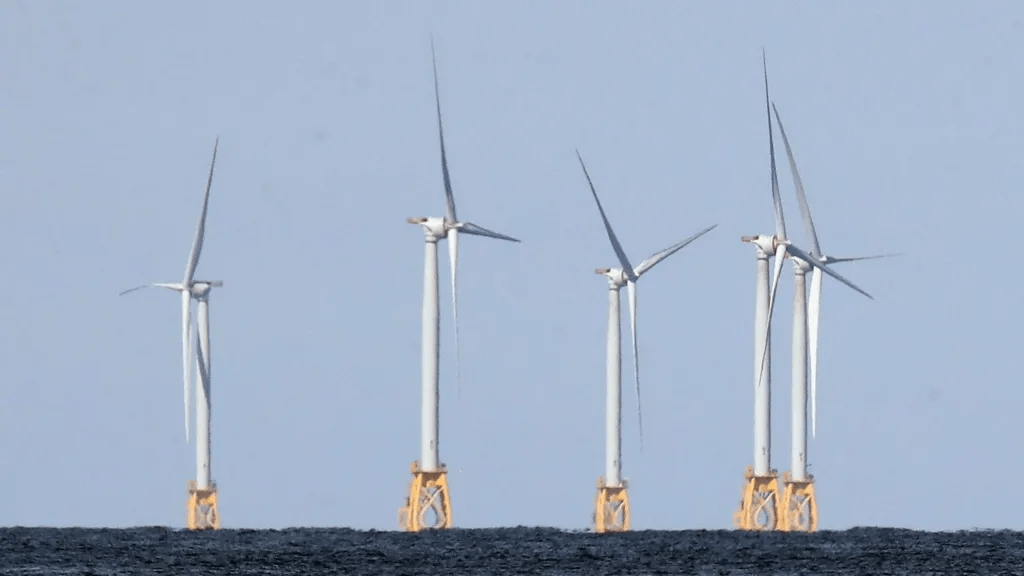
Trump administration to pay German firm $1.2bn to halt US wind projects – German energy company RWE has said it will abandon its offshore wind projects in the US after reaching a $1.2bn (£892m) payout deal with President Donald Trump’s Department of the Interior (DoI).
RWE said that it will now reinvest the sum into conventional gas projects, including $900m (£669m) in a liquefied natural gas (LNG) export terminal project in Louisiana.
“After careful consideration, it was determined there is no path forward to permit these projects in the US for the foreseeable future,” the company said in a statement.