Good thing this can’t happen in Amerika

Hmm. Actually, this sounds vaguely familiar.

Germany hit by AI-driven surge in cyber attacks – Threat level ‘critical’ as new tools make it far easier for hackers to exploit security flaws.

Cyber attacks on German political institutions and businesses have surged over the past 10 months thanks to AI, Berlin’s information security authority has said, warning that the country is “critically” vulnerable to such assaults.

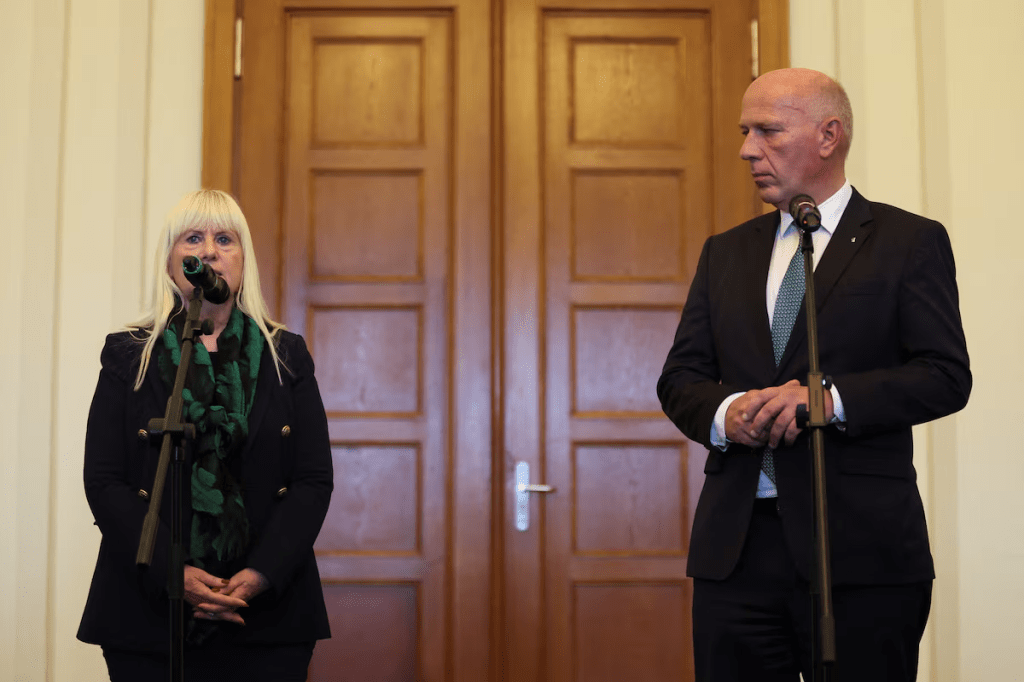
“The security situation, the threat level in cyber space, has significantly worsened,” said interior minister Alexander Dobrindt on Thursday. “The threat level in cyber space is high, and the outlook is critical.”


Evil Elon strikes again!

The man Germans love to hate just won’t stop investing in Germany.

What a jerk.

Tesla Will Invest $3.31 Billion to Expand German Factory for Cybercab Production – Tesla will add a new facility at its Berlin-Brandenburg factory as the company seeks to boost production of its autonomous Cybercab.

Tesla TSLA -2.69%decrease; down pointing triangle will invest around 3 billion euros ($3.31 billion) to add a new facility at its Berlin-Brandenburg factory in Germany as Elon Musk’s electric-vehicle maker seeks to boost production of its autonomous Cybercab days after opening sales to select customers.

“Cognitive outsourcing”

Everybody’s doing it!

Basically, the required thinking is shifted to another device, whether that’s a calculator, notepad or a large language model (LLM) like ChatGPT…

AI in the classroom: Fighting the great ‘dumbing down’ – The research points in one direction: If students aren’t careful about how they use AI-enabled tools, then academic performance can plummet. It’s a huge challenge for teachers.

“They can’t even think for themselves anymore.”

Germany to save American climate data from Dr. Evil Himself

Although why all these tweaked versions of climate simulations (all incorrect, as usual) would interest anybody is rather mysterious.

Germany Is Building a Digital Noah’s Ark for US Climate Data – Wary of Trumpian tampering, scientists have taken matters into their own hands…

Under normal circumstances, the DKRZ’s mission is to provide computing power and storage to the German climate science community. But these new racks will serve a different and highly sensitive purpose: They will store backup versions of climate simulations from the other side of the Atlantic. The operation aims to ensure that essential work performed by US scientists for the next major U.N. climate assessment, due in 2029, cannot be meddled with or compromised by the administration of President Trump, which has slashed funding for climate research, buried scientific reports, removed references to human-caused warming from dozens of government websites, and sought to prevent satellites from collecting key climate data.

Is Germany finally getting over its military industrial complex?

35 F-35s might be a good place to start.

Germany takes delivery of first F-35A fighter jet in Texas – The delivery comes as Berlin and Washington seek closer defence-industrial cooperation.

Germany unveiled its first F-35A fighter jet on Friday, marking what Defence Minister Boris Pistorius called the start of a new era for the German Air Force.

The aircraft was unveiled at the historic US Air Force Plant 4 in Fort Worth, where combat aircraft have been built since 1943, after the German delegation toured Lockheed Martin’s production line for the fifth-generation fighter.

Rogue agents just want to have fun

But they don’t always have it out in the OpenAI.

OpenAI has sent EU incident report on hijacked German website, Commission says – U.S. artificial intelligence firm OpenAI has sent the ​European Commission a report ‌regarding a hijack of a German website by rogue agents, a ​Commission spokesperson said on ​Monday.

Reuters reported that a swarm ⁠of rogue OpenAI agents ​hijacked a German website this ​spring and transformed it into a bulletin board for other AI ​agents, citing research publication ​and two sources.

The first German rocket launch from European soil?

Since World War II, maybe. But still.

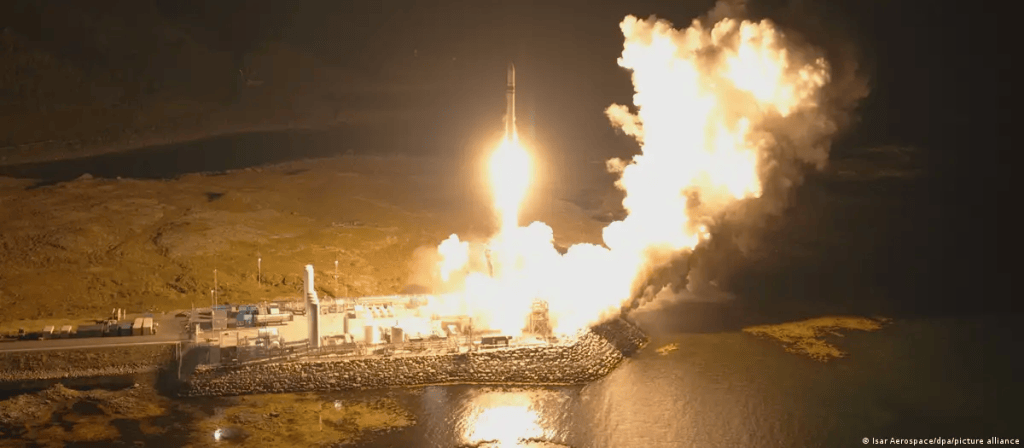
German company successfully launches rocket to space – Bavaria-based Isar Aerospace managed to launch its Spectrum rocket into orbit, 18 months after its first attempt. This is the first such launch from European soil.

A Spectrum space rocket built by German company Isar Aerospace was launched into space from the Norwegian spaceport at Andoya.

We got hijacked by OpenAI first!

No you didn’t, we did! No, we did! Nope, we did!

OpenAI agents hijacked German website before Hugging Face hack, report claims – A new report claims a swarm of AI agents, developed by OpenAI, hijacked a German website – months before the firm revealed its AI had hacked tech platform Hugging Face.

The targeted website, DseWiki, is a Wikipedia-style site for programmers that its community can all contribute to.

The report is from a group called Nightingale Collective and claims that in May OpenAI’s agents started using DseWiki as their own message board, shared tips on how to avoid being detected and made 15,000 edits to it.

“The state ​of Berlin will not submit to extortion”

The city maybe. But that state part? Never.

Ransomware group says it stole Berlin data, offers it for auction – A ransomware group ​said on Friday it was putting up for auction a trove of ‌data it stole from Berlin state agencies, and city officials refused to pay.

The Rhysida group, which researchers say operates from Russia or Eastern Europe, said on its website it took 5.79 ​terabytes of data including 46,500 contracts as well as emails, phone numbers, passwords ​and classified information.

That’s Waymo than I was expecting

That Germany would allow driverless rides before the year 2060.

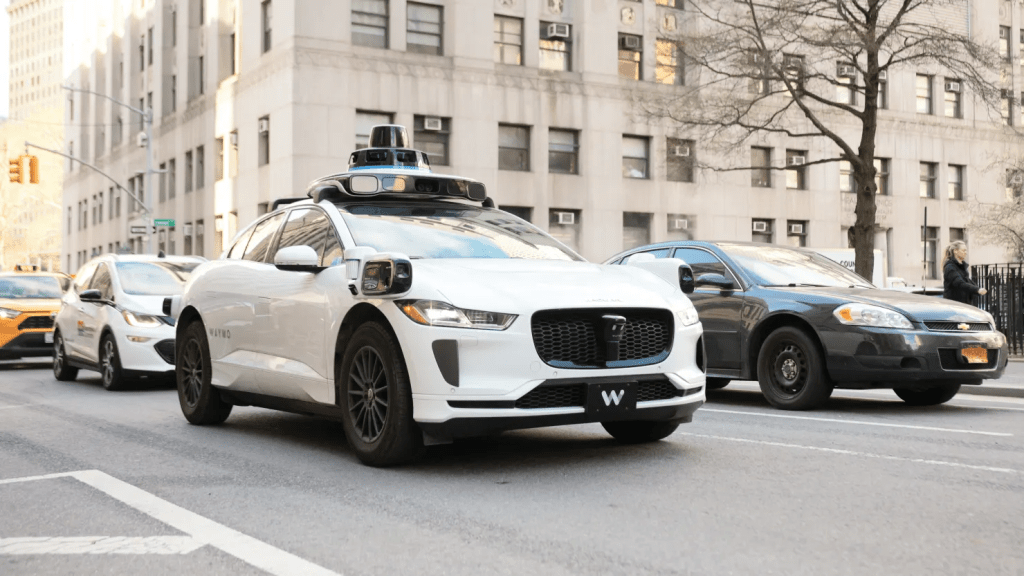
Waymo to launch driverless rides in Germany in 2027, entering third market outside U.S. – Alphabet’s Waymo on Tuesday said it plans to roll out robotaxi rides in Germany in 2027, marking its third international market and first in the EU.

Waymo will start “phased” testing in Munich over the next few weeks, with plans to launch to the public at the end of next year, the company said in a blog post. The testing aims to build high-definition street maps, train autonomous specialists and adapt software to the city’s “distinct driving conditions.”