Tourists Threaten Kreuzberger Biotope

“We have no intention of building a wall in Kreuzberg.” Not yet anyway. But if record-breaking numbers of tourists keep coming to Berlin all the freakin’ time, Green politicians may have to reconsider that.

It appears that certain residents in Berlin Kreuzberg have become quite hostile when it comes to hostels these days. They don’t want their colorful Kiez (neighborhood) tainted by tacky tourists. They want to keep on doing the tainting themselves. 

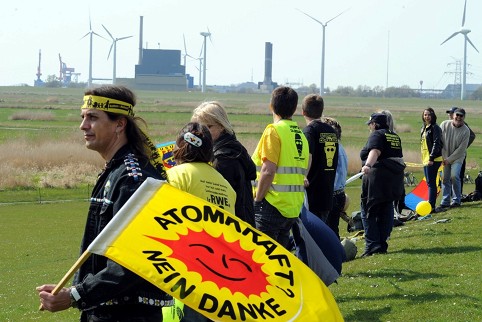
Remember: This is the same biotope where expensive cars go up in spontaneous combustion on a regular basis and McDonalds restaurants are the work of the devil herself. Tourism? Nein danke!

Die Grünen wollen die Zahl der Hostels und Hotels in dem Bezirk beschränken, außerdem umweltfreundliche Unterkünfte mit Ökosiegel auszeichnen.

Green Voters Damaging Environment Again

And the latest survey (Umweltbewusstsein in Deutschland 2010) says:

62 percent of Germans asked want more goverment involvement with regards to environmental protection.
80 percent want more legislation promoting energy efficient homes and electrical appliances.
90 percent believe that industry needs to become more environmentally friendly.


Strangely, however, the study also found out that the demographic group most concerned about environmental protection (Green voters) was also the demographic group leaving the biggest so-called carbon footprint.

It appears that environmentally engaged Greenists often enjoy a relatively high income and consume accordingly, often taking “climate-damaging” vacation flights, for instance.

Poorer regular folk types, on the other hand (these are the folks who start working with fourteen or sixteen to help finance the Green voters’ often quite lengthly college educations in German egalitarian society), can’t afford to go on such vacations quite as often, drive less, stay at home more and even purchase more regional products, thus making their ecological footprints smaller.

A spokesman for the survey regrets this discrepancy between „Bewusstsein und Sein” (consciousness and action or practice) but appears to be a realist (or Realo, as they sometimes say here) and is placing his hopes and bets on the next generation of digital natives to do more for the environment by implementing more of something he calls technologische Innovationen (technical innovation).

“Dabei seien es jedoch gerade die Bevölkerungsschichten mit dem größten Umweltbewusstsein, die den größten ökologischen Fußabdruck hinterließen.”

Is this green enough for you?

“The development of renewable energy in Germany was important and correct, but everything has a price. Every consumer should know that.”

And very soon they will. Electricity users in Germany will face up to a 70 percent increase in 2011 in the eco-surcharge they pay for the extra costs of renewable energy.

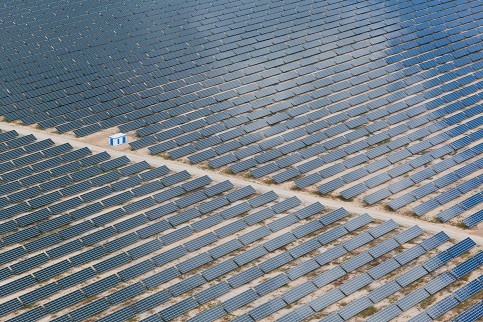
It could be worse, though–and probably soon will be. The German Energy Agency (Dena) fears that a too rapid expansion of solar energy will lead to an energy grid collapse. Hey, no risk no fun.

„Die Netze stehen vor der Überlastung durch Sonnenstrom.“

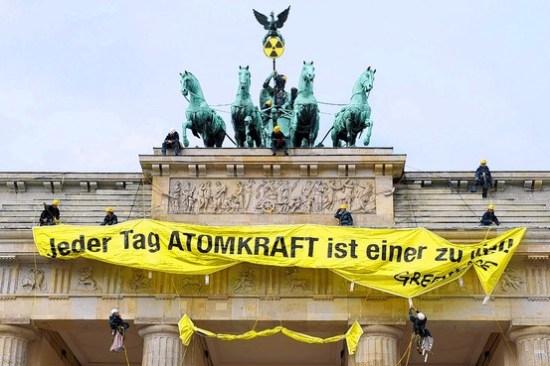
Greenpeace stages atomic art happening

Approving stuff in Germany is always problematic. Disapproval is almost always vorprogrammiert (preprogrammed). That’s why when the German government made clear its intention to extend the country’s use of nuclear power, everybody adhering to the ideological requirements of korrekt German Green thinking disapproved–and that’s a whole lot of folks too.

But at least the Greens at Greenpeace got a little creative about it this time (or as usual?). Protesters projected images with the slogan “atomic power damages Germany” onto the side of several of the country’s nuclear reactors. As far as I can tell, their reason for doing this was to explain to everybody that atomic power damages Germany. Not that they didn’t already know this, the main thing was that this was an Aktion. You know, one of those “happening” thingies?

And I don’t do art so I had to look it up: “A happening is a performance, event or situation meant to be considered as an art, usually as performance art. Happenings take place anywhere (from basements to studio lofts and even street alleyways), are often multi-disciplinary, with a nonlinear narrative and the active participation of the audience.”

Multi-disciplinary? Does that mean they’re gonna get in trouble for doing dis? Nah.

Die Atomkraftwerke in Deutschland sollen im Schnitt 12 Jahre länger am Netz bleiben als nach dem bisherigen Atomkonsens.