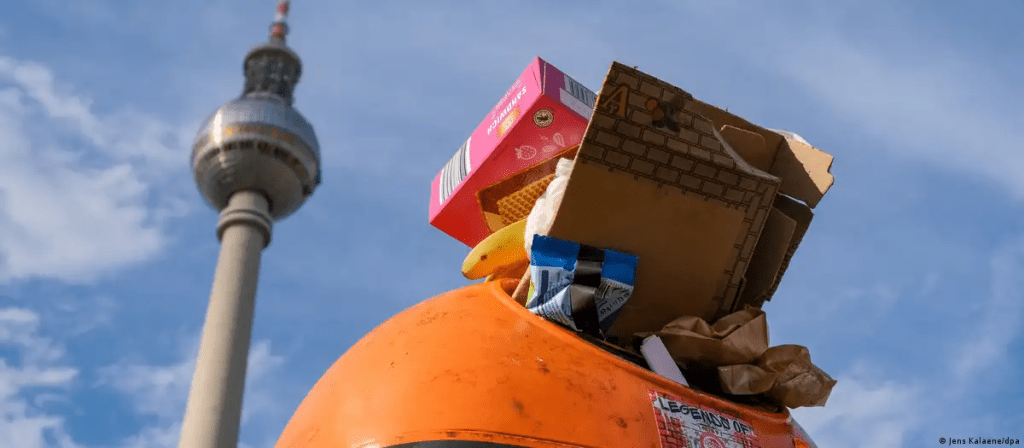
Muslim and young female voters working together for Berlin!

What could possibly go wrong?

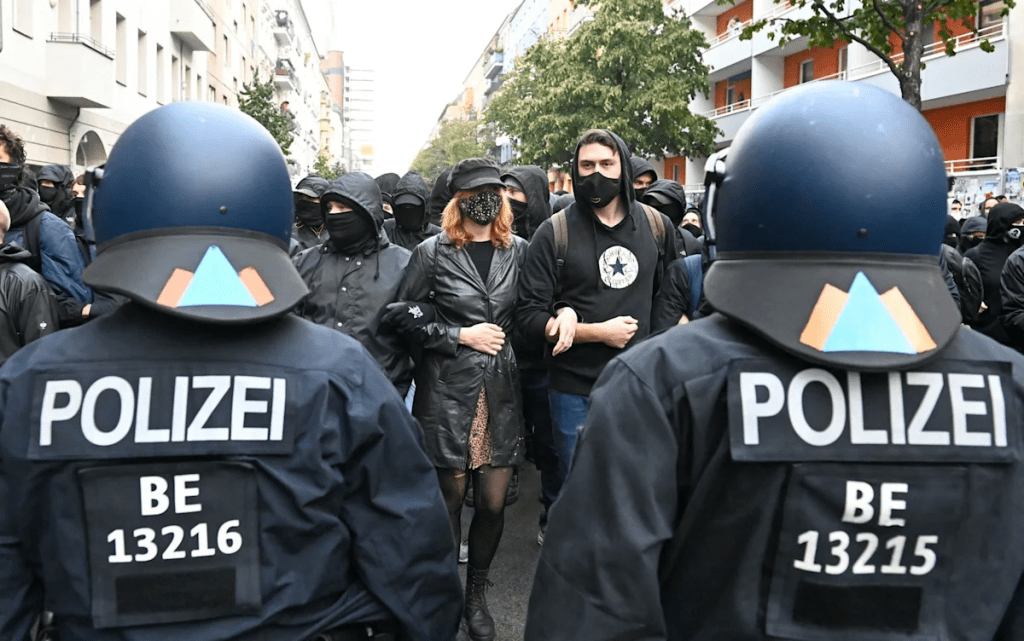
Muslim, Young Female Vote Drives Far-Left Die Linke ‘Election Intifada’ in Berlin – Far-left Die Linke has won Berlin’s state election for the first time, taking 25.7 per cent of the vote after more than doubling its support since 2023, a result driven heavily by younger voters and the immigrant-origin electorate and accompanied by fresh controversy over the party’s increasingly radical Neukölln branch...

Election data show that Die Linke’s success was driven particularly by young voters and the immigrant vote. Infratest dimap found that 43 per cent of voters under 25 backed the party, while 49 per cent of those aged 25–34 did so. Among young women, the result was even more striking: 51 per cent of female voters under 25 chose Die Linke, compared with 34 per cent of young men. The Greens followed among young women with just 12 per cent.

According to separate research by Forschungsgruppe Wahlen, Die Linke received 51 per cent of the Muslim vote, twice its overall share and 36 percentage points more than among Muslim voters in the 2023 Berlin election.
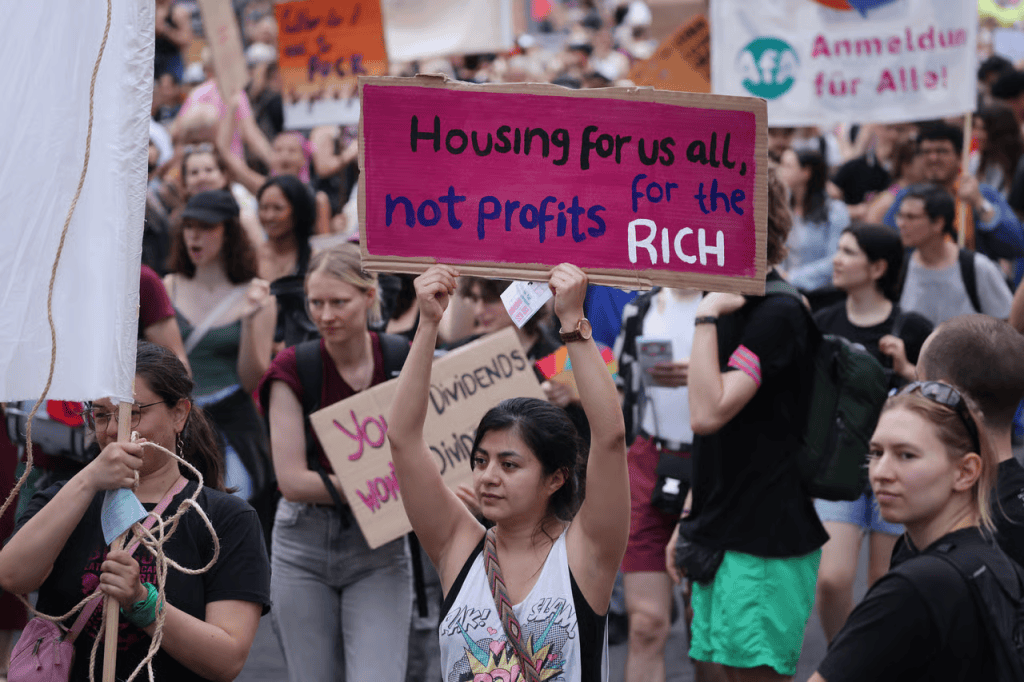
German of the day: Enteignung

That means expropriation.

You know, like in Cuba? Or New York City?

Berlin election campaign centers around radical-left drive to seize properties – Following Sunday’s regional vote, a coalition of left-wing parties could move to expropriate apartment buildings as part of a plan to lower rents…

The Left party, which traces part of its history to East Germany’s communist party, is enjoying a political revival after winning a new wave of support from young voters mobilized by the far right’s rise. For its Berlin campaign, the party has taken inspiration from New York City Mayor Zohran Mamdani, employing his focus on cost-of-living issues as a model.

Sometimes UN, sometimes U Out

Ain’t nobody gonna listen to you at the UN anyway.

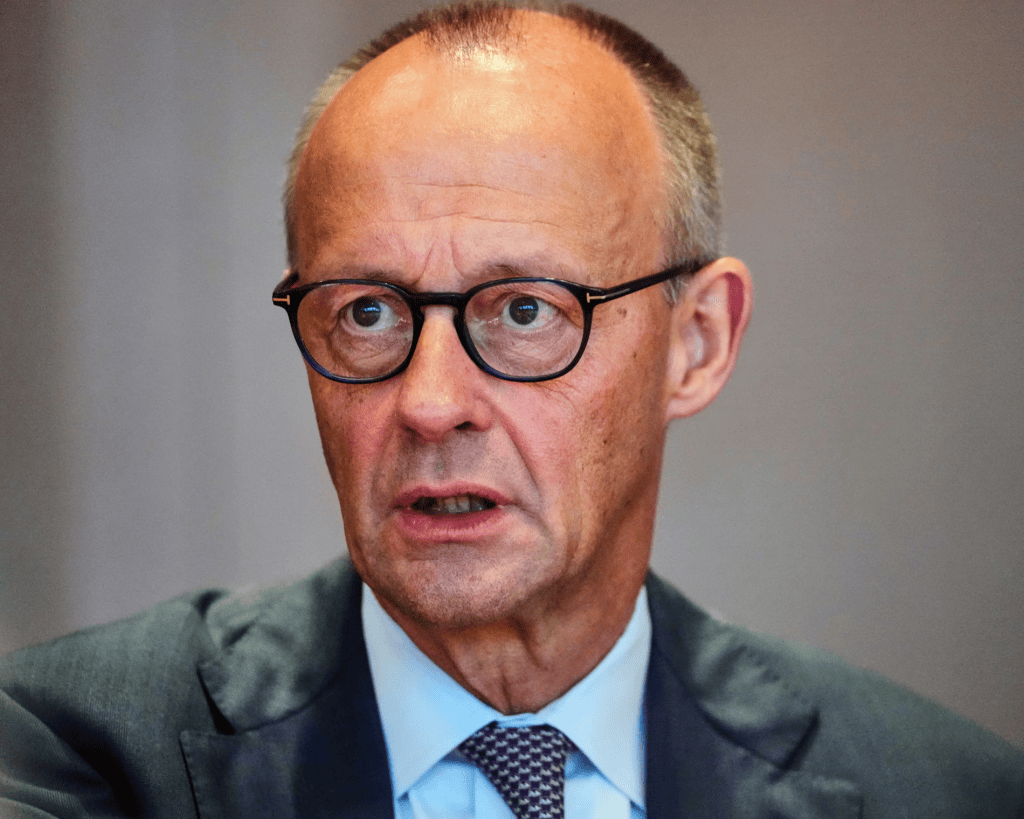
Merz cancels UN visit after AfD election win puts his leadership on the ropes – German chancellor gets support from state leaders but further far-right gains this weekend could spell the end.

Powerful German state leaders from Friedrich Merz’s party have rallied behind him as speculation builds that his days in office may be numbered.

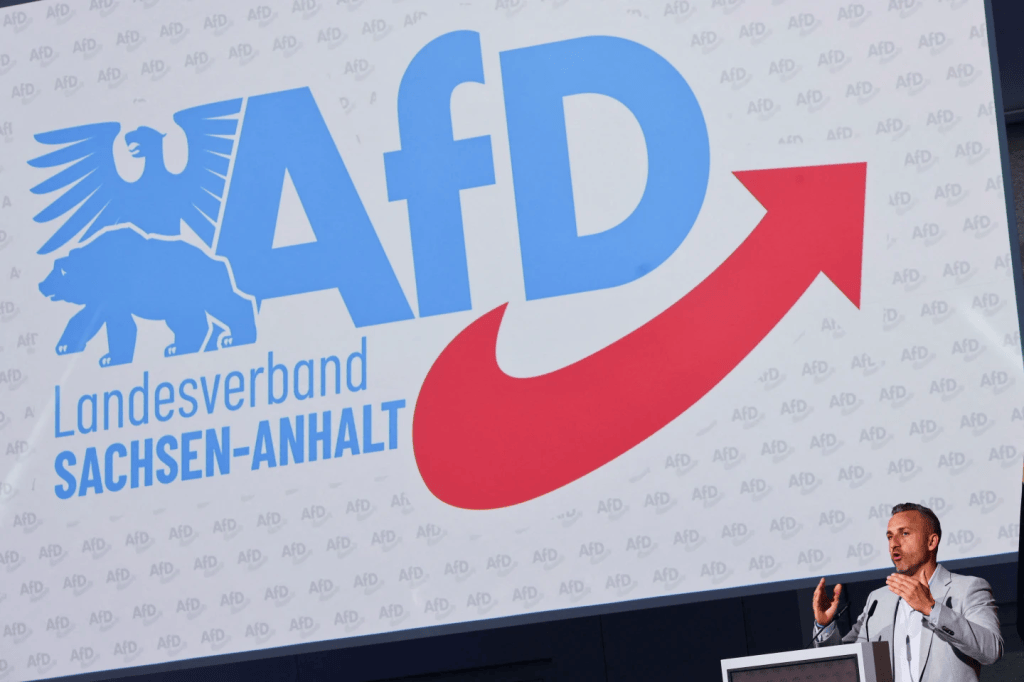
The chancellor’s hold on power has looked increasingly shaky since a bombshell regional election result earlier this month in which the far-right Alternative für Deutschland (AfD) party routed his Christian Democratic Union (CDU) party in Saxony-Anhalt.

With two more states heading to the polls on Sunday where the AfD is expected to perform well, Merz cancelled a plan to speak at the UN general assembly in New York next week because “his presence is required in Berlin”, a government official said on condition of anonymity.

2,268 offenses recorded in Berlin in 2025

That’s up 24.3% from the previous year.

Woman suffered cuts before suspects fled scene – The woman attempted to defend herself and suffered several cuts to one of her hands. The two suspects fled the scene following the attack…

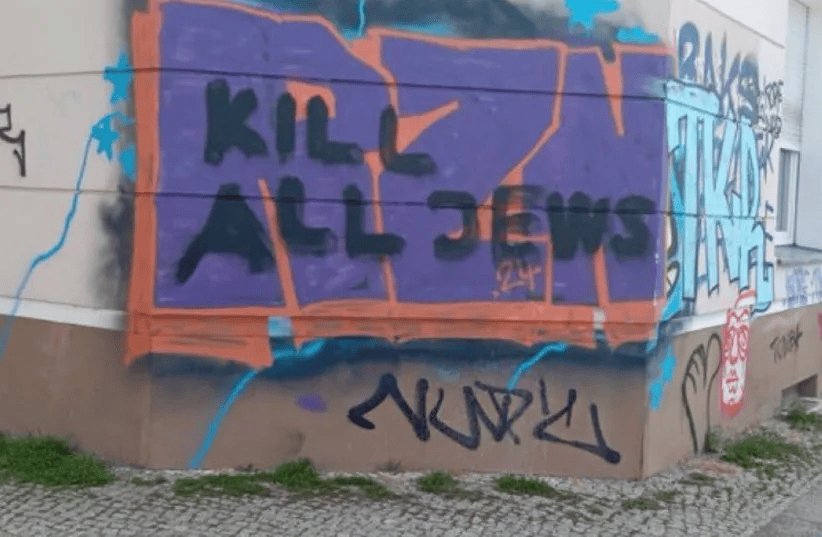
The attack joins a long list of antisemitic incidents recorded in recent years in the German capital. According to Berlin authorities, 2,268 antisemitic offenses were recorded in the city in 2025, up 24.3% from the previous year. Sixty-four of the cases were classified as violent offenses.

German politicians can’t figure out why…

Voters keep refusing to vote the way they want them to.

They keep voting right. Which is wrong.

The other Berlin Wall – Germany needs a new strategy for coping with the AfD.

Mainstream parties can’t avoid talking to the hard-right front-runner for ever…

A smattering of German words, such as Blitzkrieg and Schadenfreude, have made their way into other languages. Among the most recent to begin to do so are Zeitenwende (“turning of the times”) and Brandmauer (“firewall”). The first reflects the shift in geopolitical thinking in the wake of Russia’s invasion of Ukraine; the second, mainstream politicians’ determination to isolate extreme parties. However, what was intended to signal that Germans have learned from history has instead plunged their nation into a political crisis.

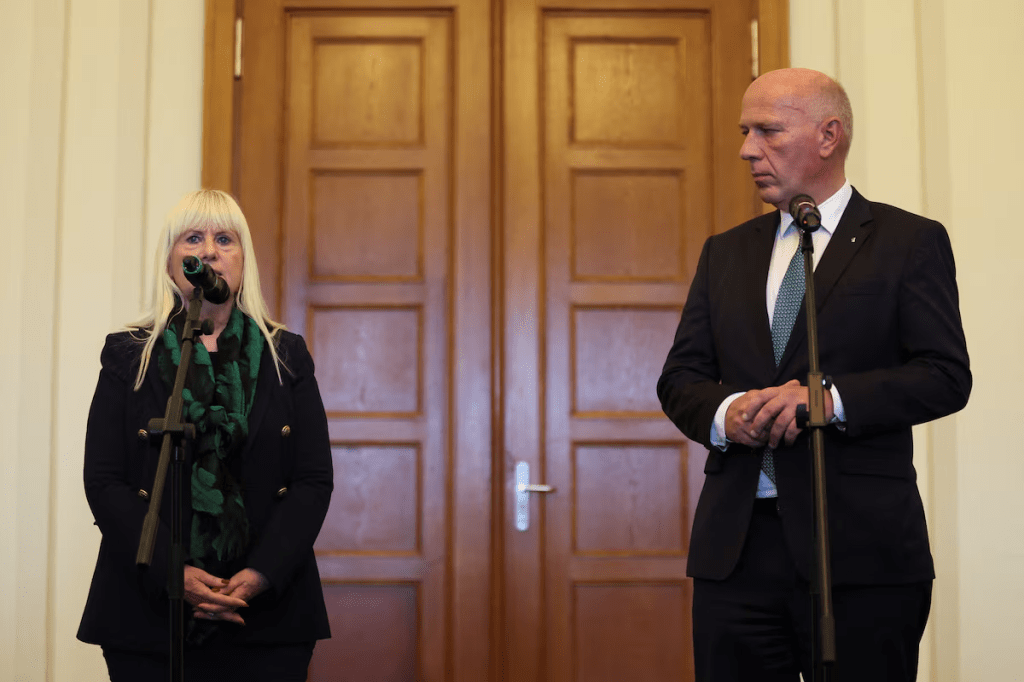
“The state ​of Berlin will not submit to extortion”

The city maybe. But that state part? Never.

Ransomware group says it stole Berlin data, offers it for auction – A ransomware group ​said on Friday it was putting up for auction a trove of ‌data it stole from Berlin state agencies, and city officials refused to pay.

The Rhysida group, which researchers say operates from Russia or Eastern Europe, said on its website it took 5.79 ​terabytes of data including 46,500 contracts as well as emails, phone numbers, passwords ​and classified information.

Uneducated, illiterate cops?

OK. But they should at least be able to speak the language.

Berlin police struggle to find German-speaking recruits – Berlin is struggling to recruit enough police officers because applicants are unable to speak German, according to the force’s president.

Barbara Slowik Meisel revealed that 40 per cent of applicants failed a German language skills test.

Ms Slowik Meisel said the trend, driven by increasing numbers of migrant applications, had created a dilemma for the Berlin police department: it cannot lower its standards but also urgently needs officers.

German of the day: Berlin war gestern

That means Berlin was yesterday.

Germany news: Berlin losing its appeal for many Germans – Fewer than a third of Germans find their capital city “fascinating”, a sharp fall from 20 years ago, a survey has found.

More Germans think Berlin ‘lacks charisma’ than those who find it ‘fascinating,’ according to a survey.

German of the day: Geheimes Waffendepot

That means secret weapons depot.

Secret Weapons Depot Discovered Near Berlin – According to reports from WDR, NDR, and SZ, security authorities have discovered a hideout containing two loaded weapons on the outskirts of Berlin. Authorities believe it was a depot used by Russian agents for potential attacks.

It must have been like a scene from a spy thriller when German officials made an explosive discovery in late summer of last year in a wooded area on the state border between Brandenburg and Berlin. According to reports from WDR, NDR, and the Süddeutsche Zeitung (SZ), they found a professionally constructed hideout containing two loaded firearms in the capital’s affluent suburban belt.

When the party is over…

The party’s over.

Berlin clubs struggle as drink sales dry up and costs rise – Berlin’s clubs are still drawing crowds, but shorter nights, fewer alcohol sales and rising costs have changed their business model. Door fees, rather than bar takings, are increasingly their real financial lifeline.

Berlin’s world-famous club scene has remained in high demand, but venues are increasingly struggling to turn packed dancefloors into sustainable businesses.