Where’s my Kuchen?

I want to eat it too.
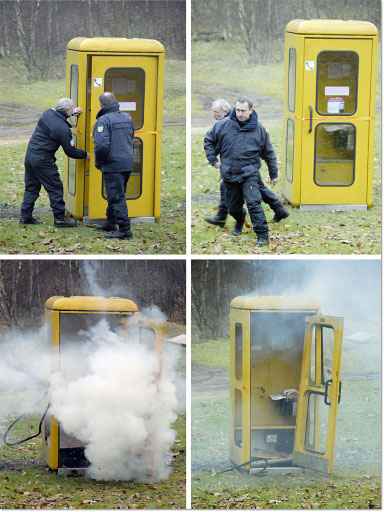
“If Berlin pursues this new stance*, the Center for European Reform report argues, it will allow Germany to have its cake and eat it. Germany would be contributing to President Barack Obama’s quest for nuclear disarmament, the report says, but could still rely on the NATO countries that deploy the remaining 180 U.S. weapons — Belgium, Italy, the Netherlands and Turkey — to provide it with a security umbrella.”

* Demanding that the remaining American nuclear missles be removed from Germany but still expect the protection of American nuclear weapons.

“Die letzten Nuklearwaffen in Deutschland sind ein Relikt des Kalten Kriegs. Sie haben keinen militärischen Sinn mehr.”
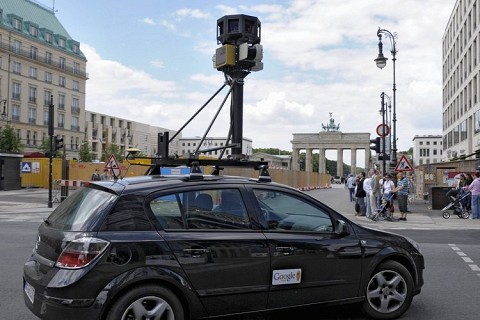

Germans? Hysterical about Google’s Street-View?

How you figure?

That German companies like the map manufacturer Tele Atlas or the small business Panogate (sightwalk.de) in Cologne do the same damned thing that Google does – make fotos of/in cities in order to publish them in the Internet and use them for navigation systems – that doesn’t matter here. What matters here is that a particularly awful and ominous “data octopus” is doing it.

Ob Microsoft (preview.local.live.com), der Kartenhersteller Tele Atlas oder das kleine Unternehmen Panogate (sightwalk.de) aus Köln, sie alle fotografieren systematisch die Städte dieser Welt – mal aus dem Flugzeug, mal aus dem Auto. Auch sie veröffentlichen diese Bilder im Internet oder nutzen sie für Navigationssysteme. Wenn sich die öffentliche Debatte nun auf Google konzentriert, dann wohl nur, weil sich mit diffusen Vorwürfen gegen den vermeintlichen “Datenkraken” leicht Ängste schüren lassen.

It’s quite simple, really. Germans, just like everybody else, really love angst. Only they love it here so much that they acually spell it with a capital A. You know, with an A like they use for Amerika (sorry, US-Amerika, of course).

Fast hysterisch wirken hingegen die Warnungen vor dem Verlust der Privatsphäre. Was ist damit gemeint? Die Privatsphäre der Hausfront? Google und Co. fotografieren grundsätzlich nur das, was jeder Fußgänger auf einer öffentlich zugänglichen Straße sieht.

Iran using tricks?

Really? Who would have thought that? After all these long years, I mean.

It must have been those tricky Avatar 3D glasses that finally tipped the Germans off.

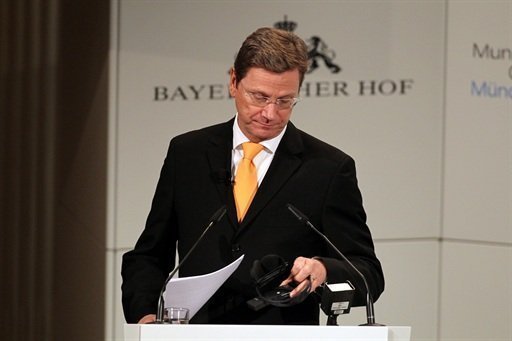
Westerwelle told Deutschlandfunk radio that Iran would be judged by its actions and not by its words, and that only a serious return to negotiations would prevent further measures such as sanctions being imposed on the Islamic Republic.

Technophobia time again

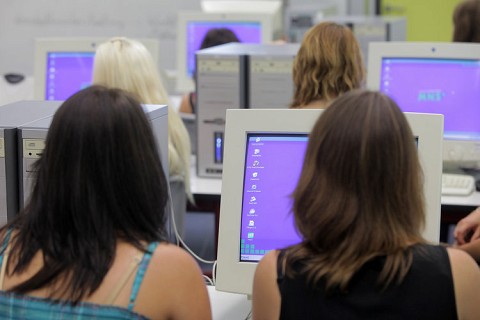
According to an OECD study, German schools are way behind when it comes to offering their students modern digital technology/media.

That’s not all that surprising though, really. All this high-tech stuff is kind of spooky and dangerous over here for some reason. Google is pure evil these days, for instance. And we don’t even want to talk about Microsoft.

Actually, we do. The German Federal Office for Information Security  just warned against using Microsoft’s Internet Explorer. It’s too vulnerable or something. It is the weak link in recent attacks on Google’s systems. But wait, wouldn’t that a good thing then? Whatever.

„Obwohl Deutschland eine der stärksten Wirtschaftsnationen ist, sind wir, wenn es um digitale Medien in der Schule geht, Letzter im OECD-Vergleich.”

“The fears are completely ungrounded”

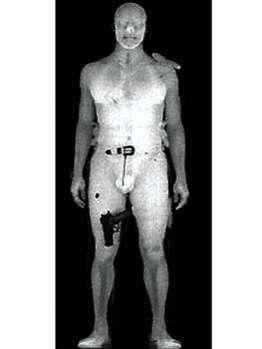
Why are there no naked scanners in Germany? Because Germans are all privacy protectionists, you nekkid fool.

But there might be hope for them (us?) yet. And not just because of Umar Farouk Abdul Mutallab’s attempt to blow up Delta Airlines flight 253 for Christmas. These new real modern naked scanner machine thingies have been changed so that body dimensions like, you know, genitals, can not be distinguished – no matter how distinguished they are.

„It is advised to get to the airport early.”

It’s us against Google, yet again

Google Book Search bad. German Digital Library good.

Upset and suspicious about Google’s attempts to digitalize books, pictures, sculptures, notes, music and films to make them available for everybody on the Internet, the German Cabinet has just agreed on a plan to digitalize books, pictures, sculptures, notes, music and films to make them available for everybody on the Internet.

I’m not making this up, people. I wouldn’t be able to. Contrary to what you might think, Germans don’t like technology. Not unless its their own, I mean.

Culture Minister Bernd Neumann called the project a “quantum leap into the world of digital information.”

Old people forced to use Internet

Old technophobic Germans, and heavens knows there certainly are a lot of those, just aren’t as feisty as they used to be.

Login Granny, or you're Hackepeter!

Forced at gunpoint by a younger generation that’s mad as hell and isn’t going to take all the nagging while they’re online anymore, practically a third of all Germans between the ages of 65 and 74 have now succumbed to the terror and are using the malevolent ‘merican medium as best as they possibly can, which isn’t very good, but still. A full 60 percent of the  jittery old codgers between the ages of 55 and 64 have been pressured into going online now too. The old wimps.

“Viele Senioren gingen nach kurzer Lernphase souverän mit dem Internet um.”