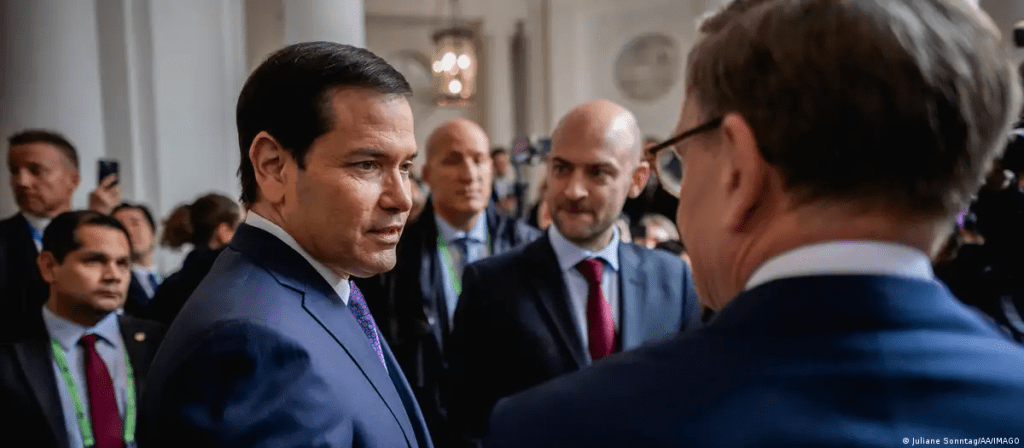
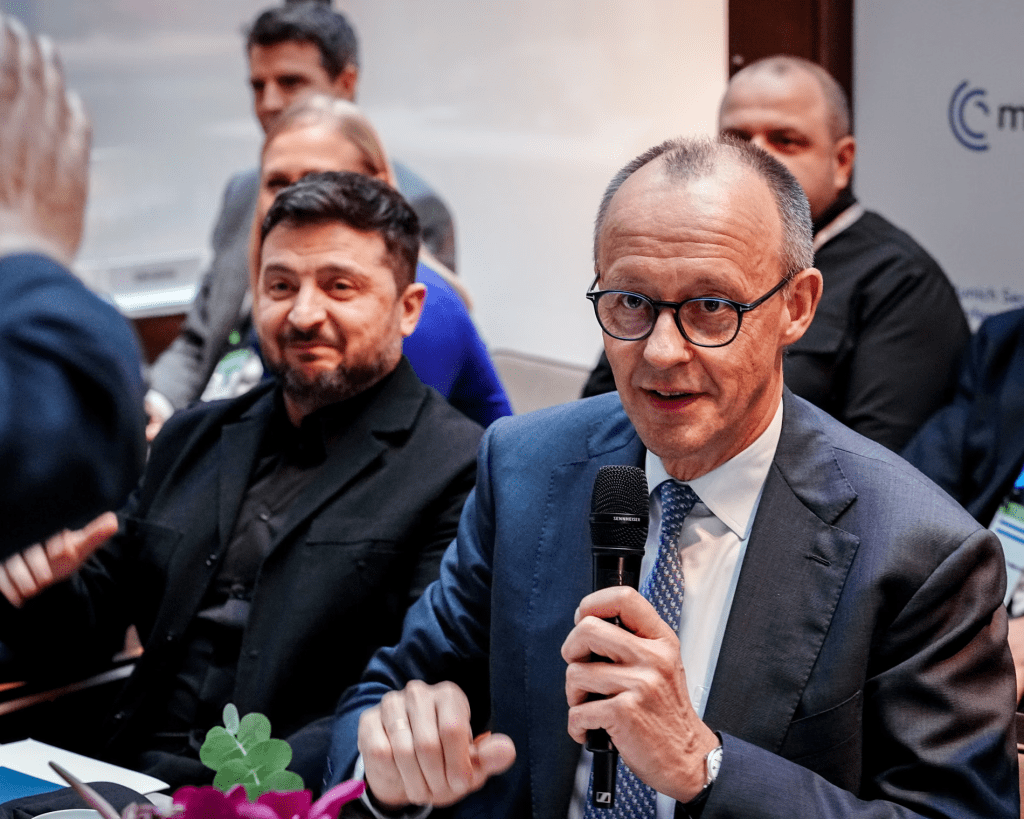
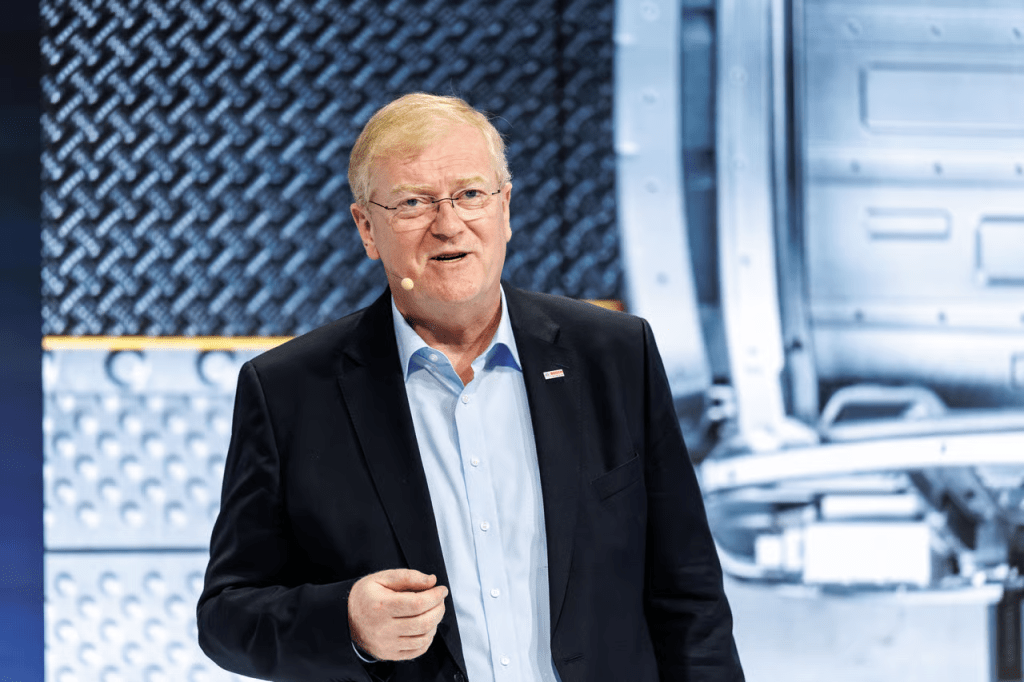
Merz says Germany won’t join Trump’s ‘Board of Peace’ – German Chancellor Merz said the current form of US President Trump’s “Board of Peace” prevented Germany from joining for “constitutional reasons.” But Merz said he was open to “new formats” of cooperation with the US.
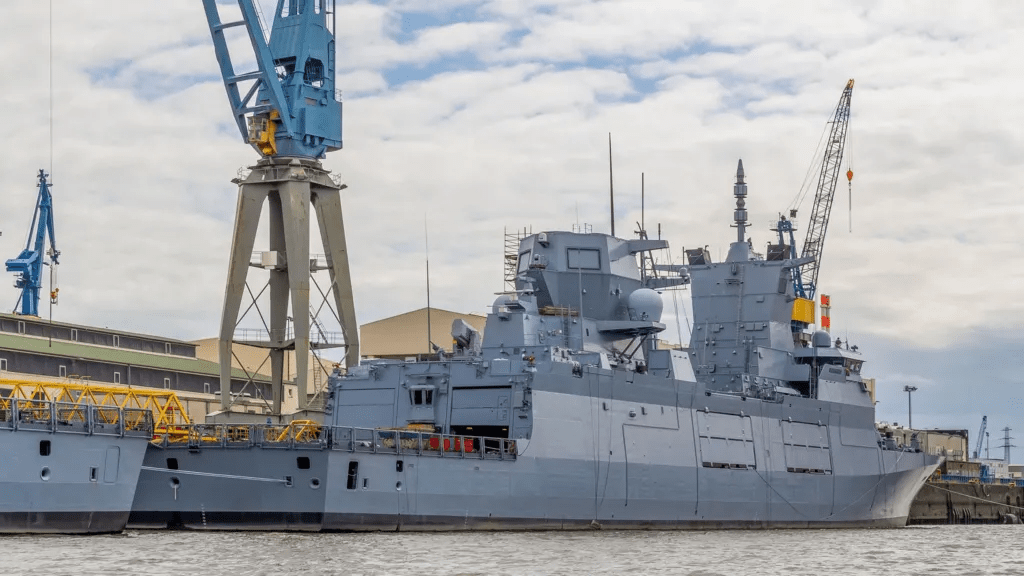
They ought to consider putting together a real army first.
The German bomb: Much ado about very little – Discussions about a “German bomb” are like Dracula. No sooner has one killed the Transylvanian vampire than he rises again from his coffin. Since the 2016 U.S. presidential campaign, when candidate Donald Trump seemed to indicate that the U.S. might no longer be willing to protect its allies, some German observers have argued that an eventual loss of the U.S. “nuclear umbrella” would make a national nuclear arsenal indispensable…
Alas, the debate about German nuclear weapons is back again. Fueled by transatlantic disagreements, most recently over Greenland, the idea of Germany acquiring its own nukes appears to have again gained salience. Proponents argue that thinking about a German bomb must no longer be a political taboo, since it is the logical consequence of a ruthless realpolitik assessment of the situation. But is it?
‘Last Resort’—German Politician Suggests World Cup Boycott Over Greenland Issue – A member of the German parliament has raised the possibility of a boycott of the 2026 World Cup.
A German politician has suggested that the German national team could boycott the 2026 World Cup, held in the United States, Canada and Mexico, “as a last resort in order to get [President Donald] Trump to see sense on the Greenland issue.”
Jürgen Hardt, who works as a spokesperson on foreign policy for the Christian Democratic Union party, made the claim on his own to BILD. He was not publicly backed by Sports Minister Christiane Schenderline, also from the CDU, who said that the German Football Federation (DFB) and FIFA, as “the responsible associations,” should field inquiries.
This time it’s ice floes on the Elbe. In the winter!
Bizarre natural spectacle: icebergs on the Elbe River – Just outside Hamburg, meter-high icebergs pile up near Geesthacht. A fleet of icebreakers stationed there battles a massive ice barrier at the weir, breaking up the ice cover into smaller icebergs.
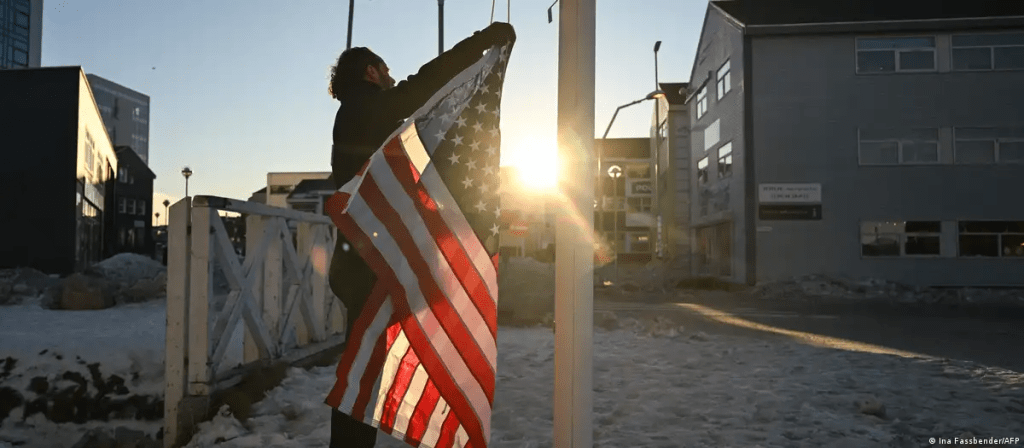
Greenland row: German military ends short deployment – German soldiers departed Greenland as scheduled. It comes amid President Donald Trump’s tariff threats and his claim that Greenland should belong to the US.
No, wait a minute. That’s going to be more like 1,500.
Sorry. We’re going to have to settle with 15 (fifteen).
But that’s still way more than the Dirty Dozen.
German military personnel set to arrive in Greenland – Germany said that the European mission in Greenland was there to counter “threats” from Russia and China. The German team is among the groups of European military personnel who are scheduled to arrive in Greenland.
Klingbeil: Transatlantic relations are currently disintegrating – Federal Finance Minister and Vice Chancellor Klingbeil has described relations with the US as severely damaged.
At an event held by the German Institute for Economic Research, the SPD leader said that transatlantic relations as we know them are currently disintegrating. Klingbeil referred to the US military intervention against Venezuela, the conflict over Greenland, and the US government’s new national security strategy. The Trump administration is making it clear that it wants to dominate the Western Hemisphere and is increasingly turning away from Europe politically and culturally, Klingbeil said.
Greenland’s colonial past could be Washington’s way in – Greenland’s legacy of Danish colonialism, forced relocations and cultural trauma may now become the opening Donald Trump needs to pull the island away from Europe’s orbit.
When US President Donald Trump first mused about a Greenland takeover, the initial reactions were a blend of disbelief, bemusement and nervous laughter. It felt like yet another outlandish flourish, and marginally more realistic than annexing Canada.
But beneath the jokes sat a truth few confronted: Greenland’s position within Europe is fragile. The island bears deep scars from Danish colonialism, depends heavily on Danish funds and exists in a constitutional limbo: tied to Denmark, yet outside the EU’s political system. Those unresolved tensions leave Greenland politically unanchored, and exposed.