German of the day: Aller Anfang ist schwer

That means every beginning is hard.

And this one was hard to believe. And hard to follow.

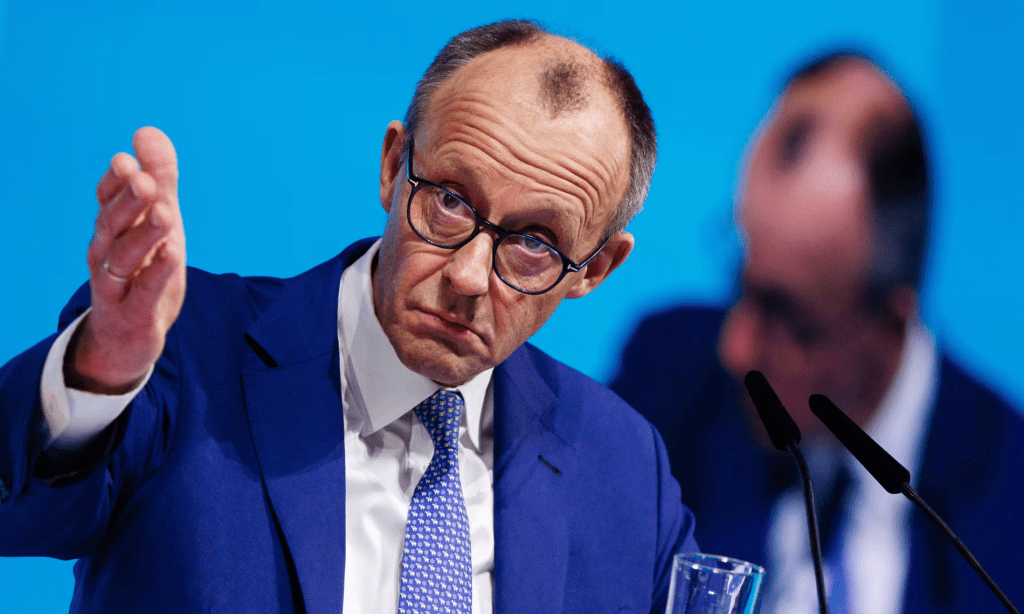
Germany’s Merz becomes chancellor after surviving historic vote failure – Conservative leader Friedrich Merz has won a parliament vote to become Germany’s next chancellor at the second attempt.

Merz had initially fallen six votes short of the absolute majority he needed on Tuesday morning – a significant blow to his prestige and an unprecedented failure in post-war German history.

As it was a secret ballot in the 630-seat Bundestag, there was no indication who had refused to back him – whether MPs from his centre-left coalition partner or his own conservatives.
German of the day: Genug!

That means enough! As in enough already!

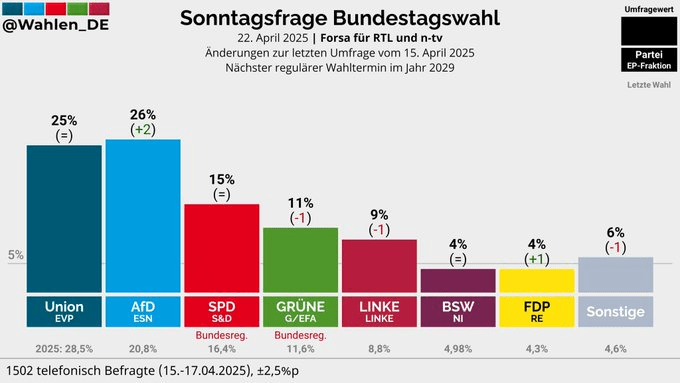
Most Germans Have Had Enough of the Firewall Against AfD – While establishment parties continue to ostracize the party, only a third of the country supports the cordon sanitaire, with half wanting AfD to be treated as any other democratic party.

After a turbulent election season dominated by the establishment’s demonization of the national conservative AfD—now Germany’s most popular party—the plurality of Germans believe that ending the undemocratic cordon sanitaire against them is long overdue, regardless of who they vote for.

No, it isn’t

Germany is not back. And it won’t be coming back until its politicians respect the will of the German electorate. This is not the government Germans voted for.

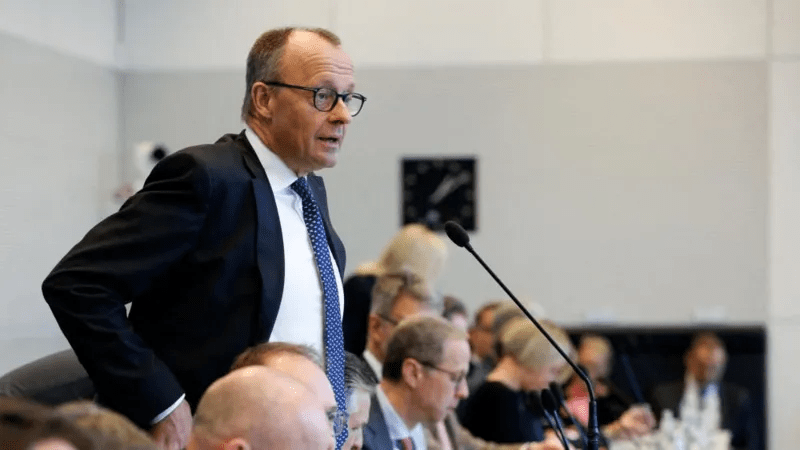
Germany is back, says Merz after historic spending deal – Germany’s conservative leader, Friedrich Merz, has clinched an enormous financial package to revamp defence and infrastructure, ahead of a crunch vote in parliament next Tuesday.

Merz, who aims to lead a government with the Social Democrats in the coming weeks, is in a rush to push through a big boost in spending on defence and creaking infrastructure…

“This is nothing less than a financial coup.”

PS: And who says they have the votes to push this through next Tuesday?

German of the day: Ins Ungewisse schrumpfen

That means to “shrink into obscurity.” Like the German Greens just did.

They got their asses whooped, in other words. Don’t let the door hit you on the way out.

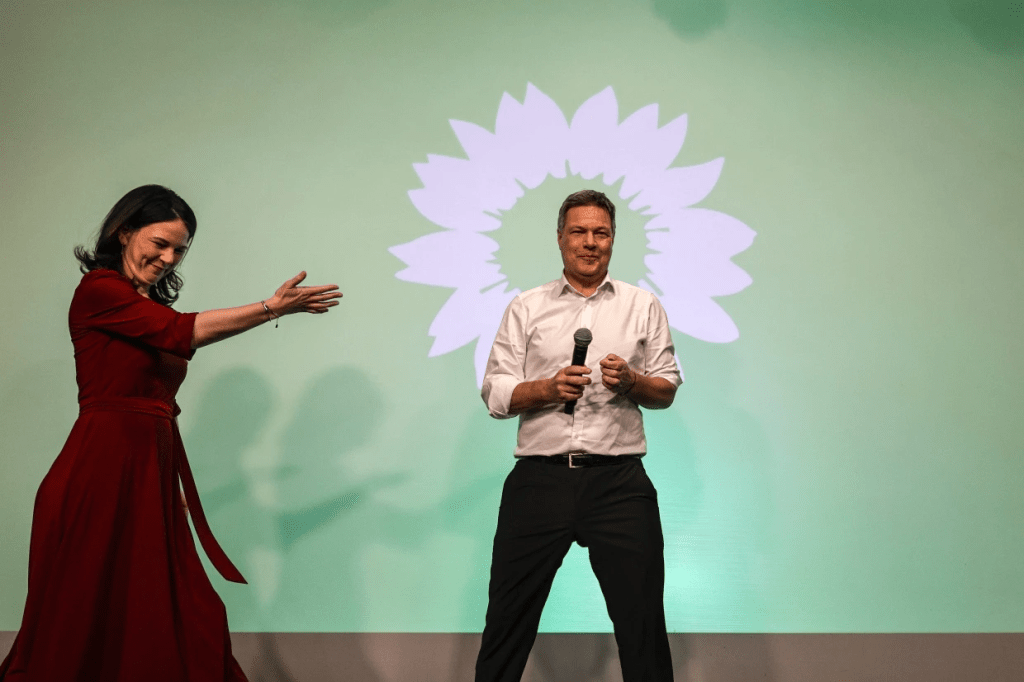
The Greens shrink into obscurity – The Greens finish in fourth place in the federal elections. It is still unclear whether there is an option for power – but the battle to interpret the result has already begun.

Germany is not turning “far-right”

Germany’s established “democratic” political parties are turning Germany “far-right” by not addressing the migrant madness.

And not addressing the Green energy madness. And not addressing the taxation madness. And not addressing the bureaucracy madness. And that’s not all of the madness that’s not being addressed, either. All this madness, you see, is what’s making everybody so mad.

In other words: Fix it already. Or go “far-right.”

Is Germany turning to the far-right? Inside the country’s battle for power – Germany heads to the polls this week facing a challenge for power from the far-right. In the run-up to the historic vote, Siobhan Robbins heads to the country’s right-wing heartland.

Let’s talk about Trump

Not about having out of control migration, the highest energy prices in the world, a stifling bureaucracy, no army, a crumbling infrastruture, a lack of skilled workers…

Slamming Trump is something we can all feel good about.

German Election Spotlight Turns to Trump – The American president’s foreign policy, and a divisive speech by his vice president, drew attention away from an attack by a refugee that some expected would fan political tensions over migration.

German of the day: Schlagabtausch

That means an exchange of blows. Or a debate, if you prefer.

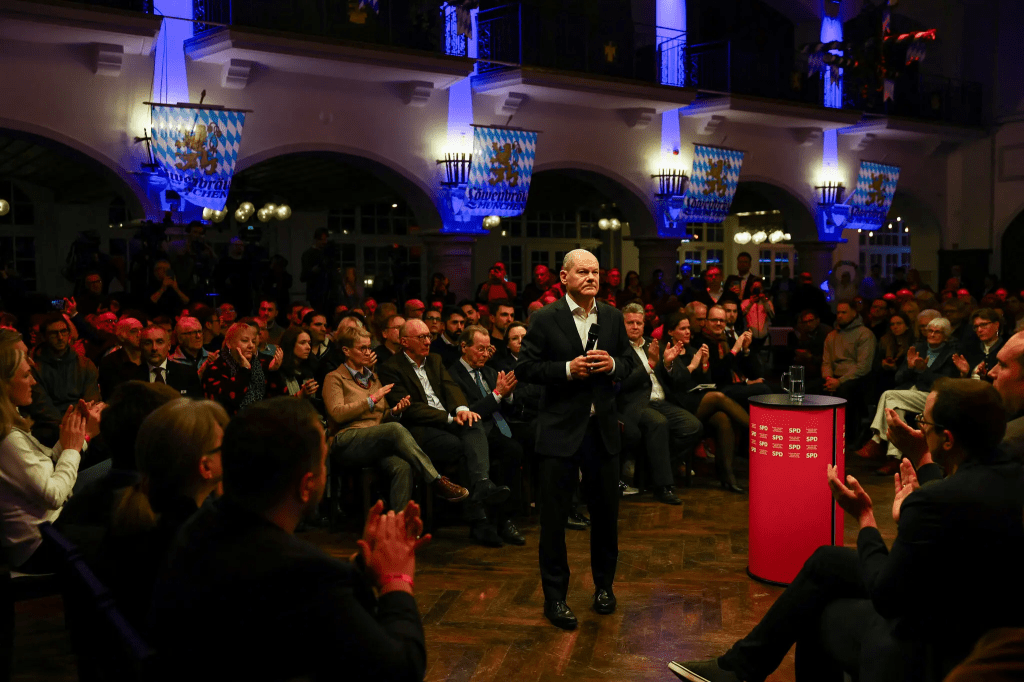
German Chancellor candidates clash on Trump, the far-right and NATO – In the first duel ahead of the February 23 election, Merz portrayed Scholz as a ditherer who had led Germany into economic crisis, while the Social Democrat presented himself as an experienced leader in command of the details…

Merz, far ahead in the polls and the favourite to become Germany’s next chancellor, expressed reluctance to raise taxes or borrow to reach the NATO alliance’s defence spending target of 2% of gross domestic product, far short of the 5% Trump is demanding.

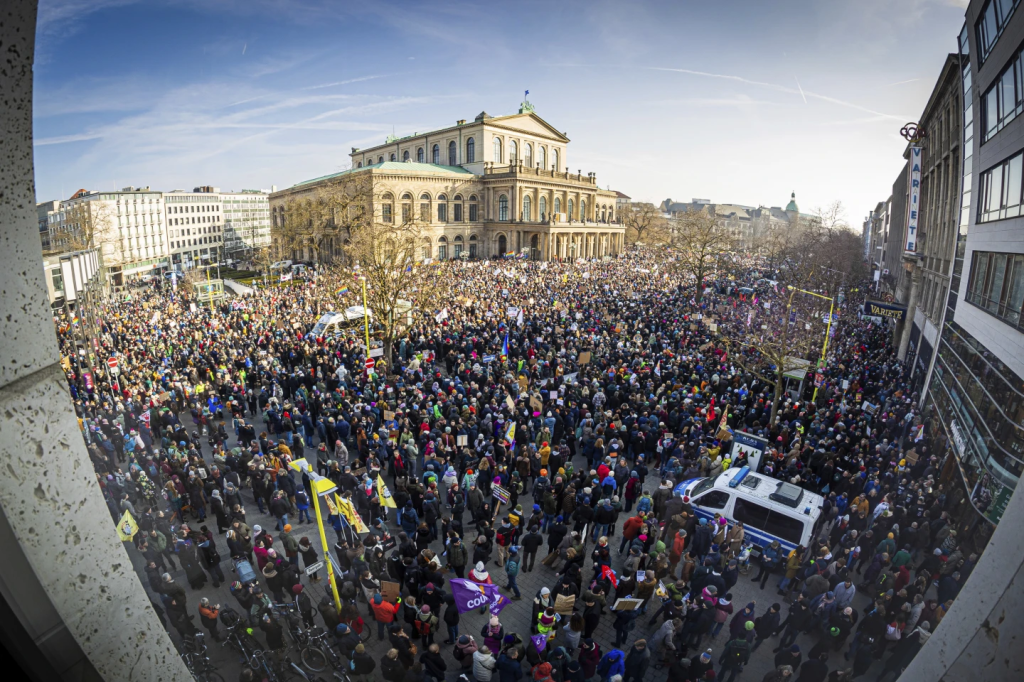
200,000 protesters!

Is that a lot?

Doesn’t that reflect German majority opinion? Well… No, it doesn’t. Not when the polls all indicate the opposite.

At least 200,000 protesters rally in Munich against far-right AfD ahead of German election – More than 200,000 protesters rallied in Munich, Germany, on Saturday against far-right extremism ahead of the country’s general election.

The far-right, anti-immigrant Alternative for Germany, or AfD, is in second place in recent polls and has prompted widespread protests across the country before voters cast their ballots on Feb. 23…

FDP deputy leader Kubicki rejects the idea that “firewall” demonstrations reflect majority opinion: Otherwise the red-green party would have made huge gains in the polls.

“Startlingly aggressive?”

I’d say it’s more like “refreshingly different.”

Merz doubles down on gambit with German far right in combative speech – Prospective chancellor takes startlingly aggressive line against those protesting against gamble with AfD.

The German conservative opposition leader, Friedrich Merz, whose party is widely tipped to win this month’s general election, defended his hardline migration proposals after a wave of protests accused him of breaching the time-honoured “firewall” between the far right and centrists.

In an uncompromising speech to a party congress of his Christian Democratic Union (CDU) in Berlin, Merz said he was confident they would win the 23 February vote “with a very good result”, well ahead of the anti-immigration, anti-Islam Alternative für Deutschland (AfD), which has been consistently placing second in the polls.

Five days after passing a non-binding resolution on border policy with the votes of the far right – marking a historic breach of a taboo – Merz renewed a promise to bar any formal cooperation with the AfD in future.

“We will not work with the Alternative für Deutschland – not before [the election], not after – never,” he said to a lengthy standing ovation from delegates.