Stranded in the U.S.: Here’s Why the Klingbeil Flight Couldn’t Take Off – The mystery surrounding the malfunctioning government plane belonging to Finance Minister Lars Klingbeil (48, SPD) has been solved: The Airbus A350, which left the minister stranded in the U.S., had damage to one of its doors. That was reason enough to ground the aircraft for the time being.
Germans’ trust in government hits all-time low, survey says – Only 17% still believe government is capable of fulfilling its responsibilities compared to 23, 25, and 27% in previous years.
After uncovering the remains of a rural settlement dating from the 3rd to 5th centuries CE offering new information about daily life during the final centuries of the Roman Empire…
And considering how Germany today is clearly incapable of introducing the radical economic reforms it needs to continue as a competitive industrialized nation, the helpless German government is considering a proposal by the Greens to reintroduce these ancient longhouses and weaving workshops as an alternative path to progress and prosperity.
Skeptics point out, however, that the huge bureaucratic hurdles blocking a return to such an alternative lifestyle could take several centuries CE to overcome.
As in Germany’s current coalition government under Friedrich Merz.
“Hardly any of the urgently needed structural reforms that were announced have been implemented. There is no overall plan for concrete reforms to promote growth and competitiveness. Germany’s position as a center of industry is under existential threat.”
Other than that though, the current German government is doing a great job.
A spoonful of sugar helps the government interference go down.
But we’re going to tax it anyway.
Germany’s sugar tax sparks ‘nanny state’ debate – Friedrich Merz’s government has agreed to introduce a sugar levy on soft drinks as part of its health care reforms. Critics have called it disproportionate interference, but dozens of countries already have such a levy.
The German government’s decision to introduce a levy on sugary drinks as part of its health care reform package has triggered a new debate on government interference in diets.
That means small livestock also makes manure. And that means…
Many pennies make a dollar.
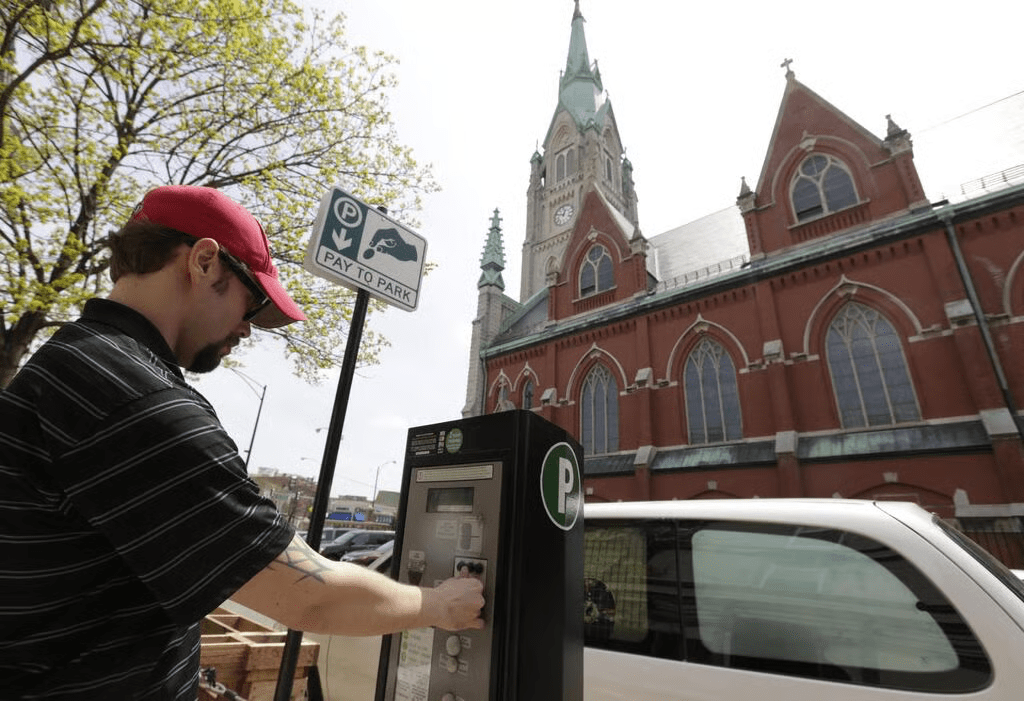
Parking meter heist: German worker accused of stealing €2M – German authorities charged two couples in separate cases: in Bavaria, a former municipal worker allegedly stole about €2 million from parking meters over the years; in Berlin, another couple is accused of stealing bronze statues and religious items from cemeteries and parks.
Germany was billed as Europe’s growth driver. Now economists are saying: Not so fast – Huge investment pledges and major fiscal changes had bolstered hopes that Germany could give the euro zone economy a much-needed boost, but economists are starting to question if — and when — that will happen.
“The actual spending is slower than many of the more excitable pundits had expected. In Germany, it takes time to spend money.”
It’s similar to the German spring, summer and winter of reform, only here nothing gets reformed in autumn.
Germany’s Merz faces trouble over ‘autumn of reform’ – Friedrich Merz has decided that the autumn must be the season for tackling Germany’s urgent domestic problems, but that means conflict with his center-left coalition partners.
Chancellor Friedrich Merz’s “autumn of reform” could turn into a season of coalition strife as he plows ahead with his ambitious plan to reform Germany’s welfare state, while bringing in tax reforms to boost the economy.
The challenges are significant: The German economy now faces a third year without GDP growth, the welfare state and pension system are failing to keep up with demographic challenges, and the federal budget has a hole of some €172 billion ($200 billion) for 2027 to 2029.
It’s a Volkssport (national pastime) here. Over-taxed Germans get even with the government any and every chance they get. See Schwarzarbeit.
German shadow economy booms amid high taxes and state aid – While Germany’s economy falters, the country is experiencing a rise in undeclared work. What role do taxes and generous state aid for the poor play in the surge?
Germany updates: Berlin to end migrant rescue NGO funding – The German Foreign Ministry said it would no longer fund NGOs rescuing migrants in distress at sea. Meanwhile, police launched a nationwide operation targeting people suspected of inciting hate online.