In just 200 steps?

Wow. How efficient.

Or something. But wouldn’t one step have been enough? Just cut off the money. That would do the trick.

German leaders plan to cut red tape in just 200 steps – When it comes to tackling bureaucracy, why stop at just a measure or two? Premiers of Germany’s 16 states want to go further — so they drafted a 200-point plan to ease the country’s bureaucratic burdens.

The leaders of Germany’ 16 states on Thursday agreed on a 200-point plan to modernize government services.

The country is notorious for its bureaucracy, which limits much official communication to mail and, sometimes, fax. Chancellor Friedrich Merz has made addressing it a priority for the coalition government.

Pay close attention: NOTHING will ever change here.

German of the day: Zusammenbruch

That means collapse.

German homebuilding collapse threatens wider economic damage – Once-thriving residential construction industry has slumped, posing drag on EU’s largest economy.

Across Germany, homebuilders are facing such a sharp reversal in their fortunes that the downturn in residential construction is threatening to have broader repercussions across Europe’s largest economy.

Many have declared themselves insolvent, dampening Chancellor Olaf Scholz’s target of building 400,000 new homes a year to tackle a housing affordability crisis in several of the country’s largest cities.

German Of The Day: Bürokratie

That means bureaucracy.

Warning: This is taken from yet another regularly occuring German article about how German bureaucracy is way out of control and somebody needs to finally do something about it but no one ever will of course because everybody here in Germany knows this is precisely the way the Germans like to have it.

Germany’s aging bureaucracy risks undermining ambitions – From immigration to the energy transition, the success of Germany’s biggest economic priorities relies on an increasingly older, paperbound bureaucracy getting its act together.

German Of The Day: Fortschritt

That means progress.

Germany’s Anti-Digital Law Is a Case Study in Stunting Progress – Germany just passed a law that completely bans digital contracts and signatures. Whether you’re a coder who finds jobs online, an Amazon delivery guy or a Dilbert character, you’ll now get the fine print of your terms on paper — the dead-tree kind. And it’ll have your new boss’s signature in just-dried ink. If employers provide a digital contract instead, they’ll get fined up to 2,000 euros ($2,049) for each instant.

For Being Such A Smart Guy It’s Odd That He Still Hasn’t Figured It Out

I guess you have to live here for a while to get it.

If German bureaucracy gets all up in your face when trying to get some commonplace document, as it does, then it’s certainly going to ruin your day (year? life?) when you try to build a gigafactory.

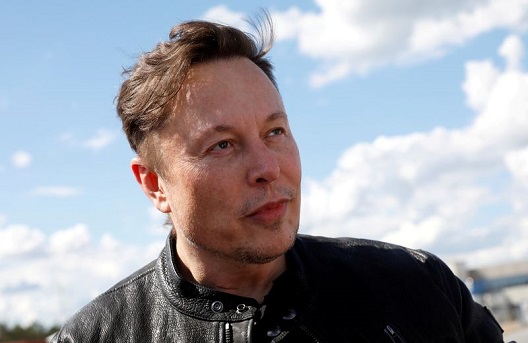
Tesla’s Elon Musk bemoans German red tape, again – Tesla Inc Chief Executive Elon Musk took to Twitter to bemoan a consultation process launched on Tuesday for local citizens to express objections to a huge factory he is building near Berlin.

The process, being repeated over concerns the first time around did not comply with regulations, is a snag in Tesla’s plans to start production of electric cars this month.

“Sigh.”

Turn, Turn, Turn

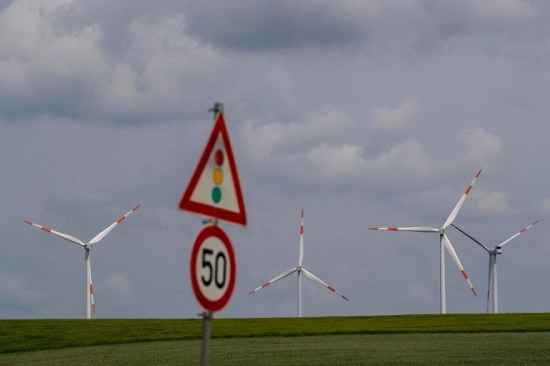
Wind turbines turn. But for how much longer?

Wnd

To everything turn, turn, turn
There is a season turn, turn, turn
A time to buid up
A time to break down…

Germany’s wind power industry could shed about 40% of its jobs because of sliding interest among investors to build turbines on land, threatening a key driver of the nation’s ambitious clean energy targets.

Environmental rules are snagging license approval for scores of onshore projects, causing delays of as long as two years, according to a report by Psephos GmbH for Germany’s VDMA machine makers lobby group. As developers and investors shy away from auctions and wading through the thicket of red tape, construction of new parks is grinding to a halt and putting jobs in jeopardy.

Deutschland ist weltweit Vorreiter bei der Energiewende – dem Umstieg auf erneuerbare Energien. Doch ausgerechnet im wichtigsten Erneuerbaren-Bereich im deutschen Markt gibt es große Probleme.