Germany was billed as Europe’s growth driver. Now economists are saying: Not so fast – Huge investment pledges and major fiscal changes had bolstered hopes that Germany could give the euro zone economy a much-needed boost, but economists are starting to question if — and when — that will happen.
“The actual spending is slower than many of the more excitable pundits had expected. In Germany, it takes time to spend money.”
They all run out of other people’s money eventually.
German welfare state ‘can no longer be financed’ — Merz. The German chancellor has called for a welfare reform, putting him on course for a possible clash with the SPD.
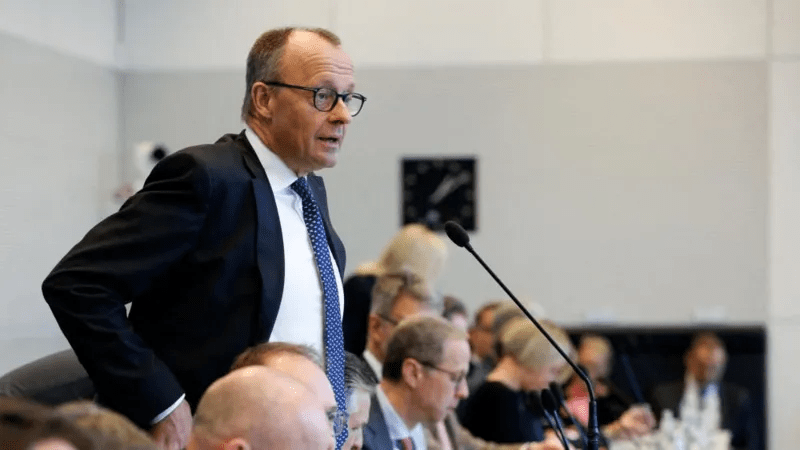
“The welfare state that we have today can no longer be financed with what we produce in the economy,” Merz said in the town of Osnabrück.
The coalition partners had already agreed to reforming the social insurance system, which covers health insurance, pensions and unemployment benefits, due to rising costs and gaps in the federal budget.
The chancellor acknowledged that making cuts to social welfare would not be easy for the center-left SPD, but called for the two parties to work together.
The best part is that there are never any consequences… Right? Even when spending the money you don’t have is never actually spent.
Germany’s borrowing spree plans face a reality check – Investors would be wrong to overstate concerns about a debt surge by the country.
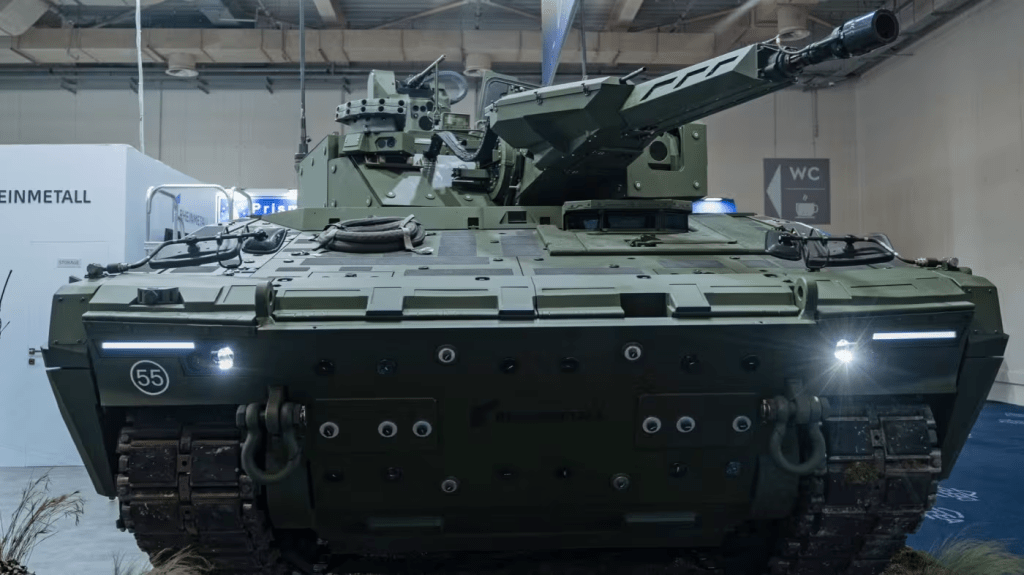
Germany has had an abrupt awakening on the need to increase defence spending. The country enjoyed an oversized peace dividend for years: before the Berlin Wall fell, west Germany spent almost 3 per cent of GDP on defence. In the three decades after 1993 that ratio dropped to around 1.2 per cent annually. Military capabilities fell commensurately.
Since Russia’s attack on Ukraine and the election of a US president given to venting misgivings about European allies, a hectic scramble has ensued to make up for lost time. As chancellor, Olaf Scholz declared a “Zeitenwende” (or historical turning point) and parliament approved a €100bn debt-financed special fund for defence spending…
Nevertheless, markets would be wrong to overstate the German debt surge. The government’s ambition will probably be thwarted when the plans get in contact with reality. Appropriating borrowing permission is much easier than actually spending it. Scholz’s military special fund is a case in point. Up to April, halfway through its life, only around a quarter of the money has been disbursed.
“Debt and precarious stagnation in the EU and Germany” sounds like a good read too.
Europe faces mounting fiscal strain as Germany pivots toward debt-financed spending to maintain political support…
The public has now lost faith in traditional muddling through and demands drastic changes.
This report focuses on Europe, where the economic situation has worsened considerably in recent years. Several countries on the old continent have become more vulnerable to shocks, and imbalances have piled up. Moreover, leaders have demonstrated an inability or unwillingness to address structural problems, yet they are all too eager to haughtily break their electoral promises, swim with the tide and gather consensus through frantic lawmaking in the name of emergencies, fairness and social justice.
It’s the 800-pound gorilla locked away in every country’s closet – for now.
Germany struggles to fix its pension system – Germany’s aging population is putting the country’s pension system under strain. The new Labor Minister Bärbel Bas has ruffled feathers with a proposal for how to fix it.
Germany’s spending push drives up borrowing costs across Eurozone – Investors warn that higher bond yields could make it harder for members of the bloc to increase defence spending.
A surge in Eurozone government borrowing costs as a result of Germany’s planned defence spending spree will intensify debt pressures on other countries in the bloc and could make it harder for them to mount borrowing campaigns of their own, investors have warned.
“Blessed are the young for they shall inherit the national debt.”
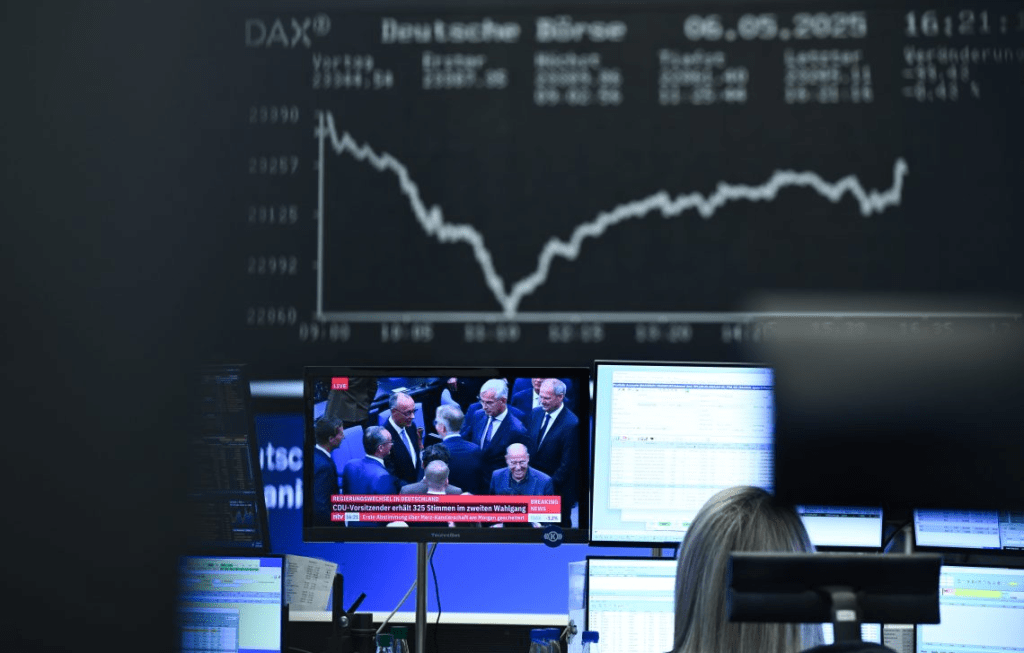
German parliament approves Merz’s historic spending surge – Germany’s parliament approved plans for a massive spending surge on Tuesday, throwing off decades of fiscal conservatism in hopes of reviving economic growth and scaling up military spending for a new era of European collective defence.
The approval in the Bundestag hands conservative leader Friedrich Merz a huge boost, giving the chancellor-in-waiting a windfall of hundreds of billions of euros to ramp up investment after two years of contraction in Europe’s largest economy…
“The politician’s greatest asset is credibility. With these embarrassing actions, Mr Merz, you have already completely squandered yours. The voters feel betrayed by you, and rightly so.”
Germany is not back. And it won’t be coming back until its politicians respect the will of the German electorate. This is not the government Germans voted for.
Germany is back, says Merz after historic spending deal – Germany’s conservative leader, Friedrich Merz, has clinched an enormous financial package to revamp defence and infrastructure, ahead of a crunch vote in parliament next Tuesday.
Merz, who aims to lead a government with the Social Democrats in the coming weeks, is in a rush to push through a big boost in spending on defence and creaking infrastructure…
“This is nothing less than a financial coup.”
PS: And who says they have the votes to push this through next Tuesday?
That means to go bat shit crazy further into debt. Unnecessarily.
German taxpayers “contribute” a billion euros a year now. German politicians burn most of it. They have all the money they need. They just refuse to cut spending à la DOGE. This is a “conservative” planning to do this, mind you.
German parties agree on historic debt overhaul to revamp military and economy – The parties hoping to form Germany’s next government on Tuesday agreed to create a 500 billion euro infrastructure fund and overhaul borrowing rules in a tectonic spending shift to revamp the military and revive growth in Europe’s largest economy.
Friedrich Merz’s conservatives and the Social Democrats (SPD), who are in negotiations to form a coalition after a national election last month, will put their proposals to the German parliament next week.
German union boss urges Berlin to scrap borrowing cap to safeguard economy – IG Metall chair Christiane Benner addresses thousands of VW workers striking over planned closure of several plants.
The head of Germany’s most powerful trade union has called on Berlin to drop its cap on new borrowing to safeguard the future of Europe’s largest economy.
IG Metall chair Christiane Benner said the country should follow the example of the US and China, which are heavily supporting their domestic industries, meaning the borrowing limit had to “stop — immediately, not after the elections”.






 Observing Hermann