Made in Germany

For the Chinese.

And for anybody else who wants them. Take advantage of this Going-Out-Of-Business sale while you still can!

China owns more than 11,000 German-developed patents, IW study shows – China has taken ownership of more than 11,300 patents developed in Germany over the past ​two decades, according to a study by the ‌German Economic Institute (IW) commissioned by the Bertelsmann Foundation.

Nearly one in three inventions developed in Germany is owned by a ​foreign entity. Of those, almost a third are ​held by U.S. owners and about 11% by ⁠Swiss owners, the study showed on Tuesday.

German of the day: Armut

That means poverty.

Germany’s poverty rate rises to record high, welfare group says – Germany’s poverty rate rose to a record high of 16.1% in 2025, leaving around 13.3 million people classified as poor, according to a report published on Tuesday by the Paritätische, an umbrella group for charitable organizations.

The figure was up from 15.5% a year earlier and marked the highest level since comparable records began, the association said, citing official data released earlier this year.

We’re number one!

Not just “a leader.” We’re number one!

We’re number one in having the highest EU electricity prices! And in tanking economies, too. Do you think they could be related?

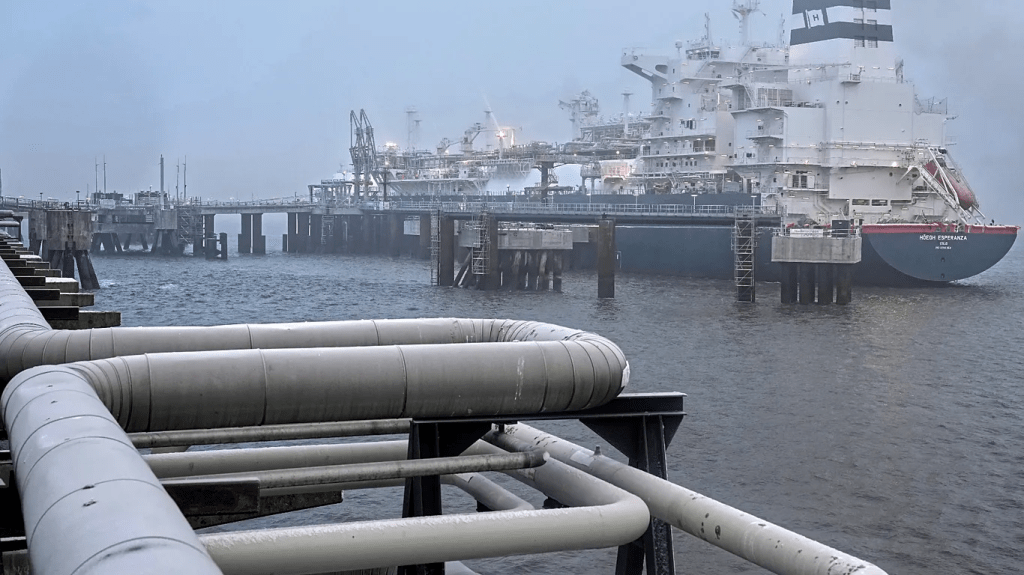
Germany is a leader in renewables, so why does it have one of the highest EU electricity prices?

Germany generated more electricity from solar and wind in 2025 than any other EU country – but its prices remain tied to volatile fossil fuels.

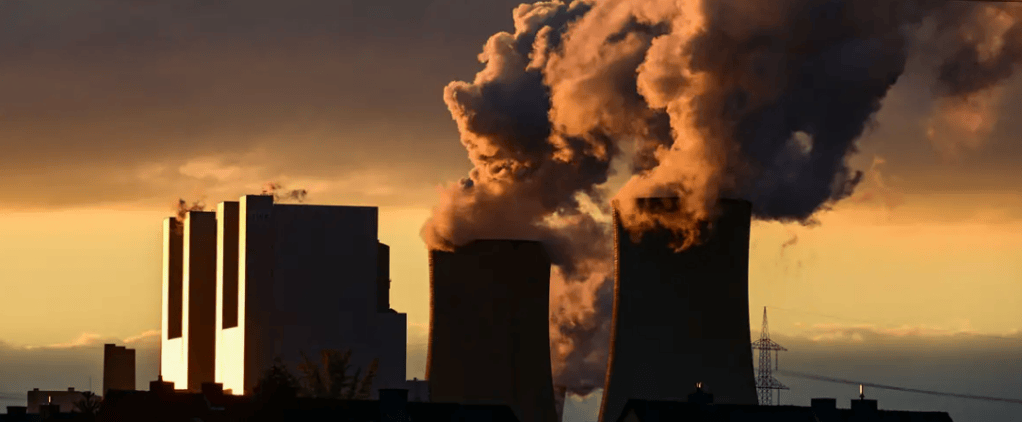
German households pay around a third more for electricity than the EU average, despite the country’s impressive efforts to ditch fossil fuels.

De-risk is de-problem

No de-risk, no fun?

Germany’s China problem – and why de-risking hasn’t worked.

Dan Wang of Eurasia Group discusses the paradox of Europe’s current trade strategy, noting that Germany’s efforts to “de-risk” over the past years have actually deepened its reliance on China’s supply chain.

German of the day: Selbstmord

That means suicide.

In this case, of the industrial kind.

Germany’s Slow Industrial Suicide – The climate left is achieving its goal of de-industrialization.

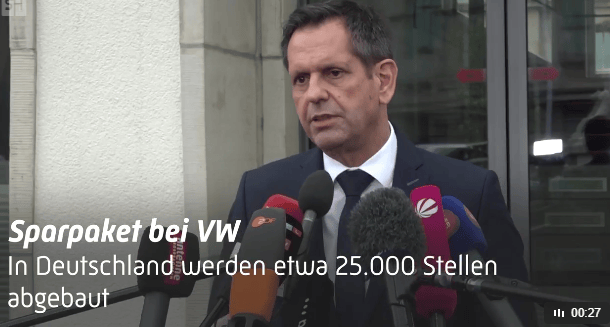
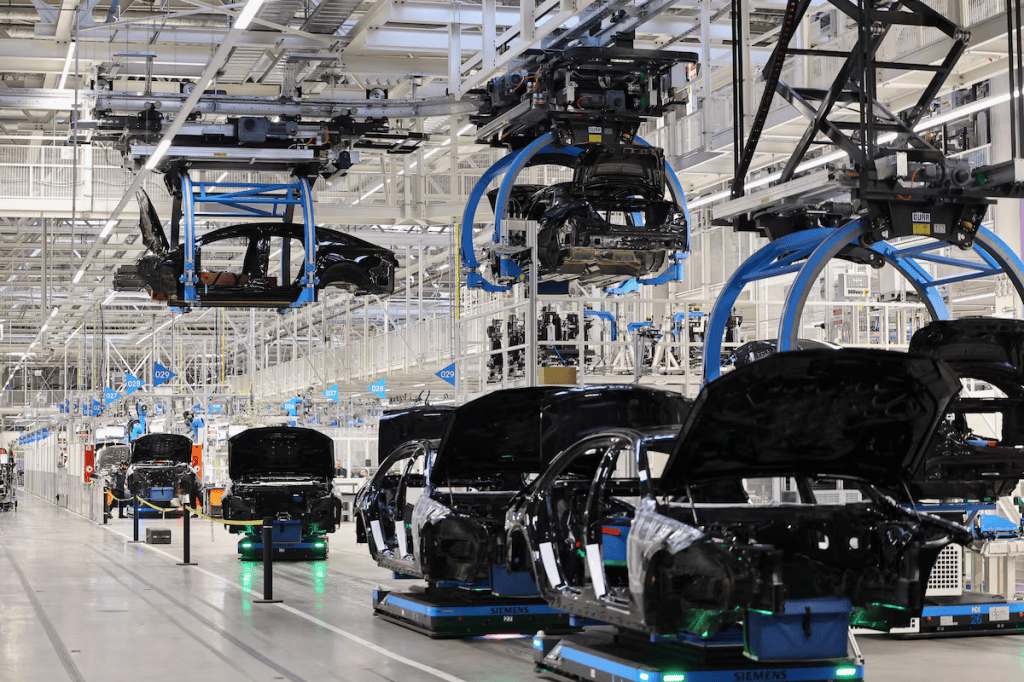
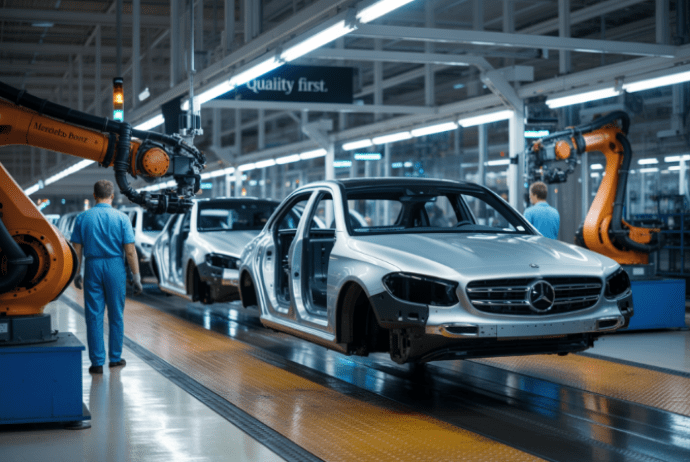
If the road to economic hell is paved with good intentions, don’t expect to see many German cars driving on it. Green mandates and other regulations are killing jobs in the long-revered German auto industry, as a new report from an industry association warns.

Germany has lost some 100,000 auto-related jobs since 2019, says the German Association of the Automotive Industry, or VDA. Another 125,000, or one in six current jobs in the industry, are on track to disappear by 2035.

Shock treatment isn’t working for Germany

A more radical resuscitation remedy may be needed.

Germany urged to stop admiring Beijing and wake up to ‘China Shock 2.0’ – ‘China has already eaten much of German industry’s lunch and is preparing to start on dinner,’ thinktank says.

Germany must stop admiring China’s success in the EU or it will sleepwalk into the kind of deindustrialisation the US experienced 25 years ago, a leading Brussels thinktank has said.

Germany to reintroduce longhouses with weaving workshops

After uncovering the remains of a rural settlement dating from the 3rd to 5th centuries CE offering new information about daily life during the final centuries of the Roman Empire…

And considering how Germany today is clearly incapable of introducing the radical economic reforms it needs to continue as a competitive industrialized nation, the helpless German government is considering a proposal by the Greens to reintroduce these ancient longhouses and weaving workshops as an alternative path to progress and prosperity.

Skeptics point out, however, that the huge bureaucratic hurdles blocking a return to such an alternative lifestyle could take several centuries CE to overcome.

German of the day: Insolvenz

That means insolvency. As in bankrupt.

As in Germany’s current coalition government under Friedrich Merz.

“Hardly any of the urgently needed structural reforms that were announced have been implemented. There is no overall plan for concrete reforms to promote growth and competitiveness. Germany’s position as a center of industry is under existential threat.”

Other than that though, the current German government is doing a great job.