Germany to buy U.S. Tomahawk missiles as Berlin builds long-range strike capability…
Germany already produces the Taurus cruise missile, but its operational range of roughly 500 kilometers (311 miles) falls well short of that offered by the Tomahawk. Depending on the variant, Tomahawk missiles can reach targets at distances several times greater, providing Germany with a substantially expanded strike envelope while European alternatives remain under development.
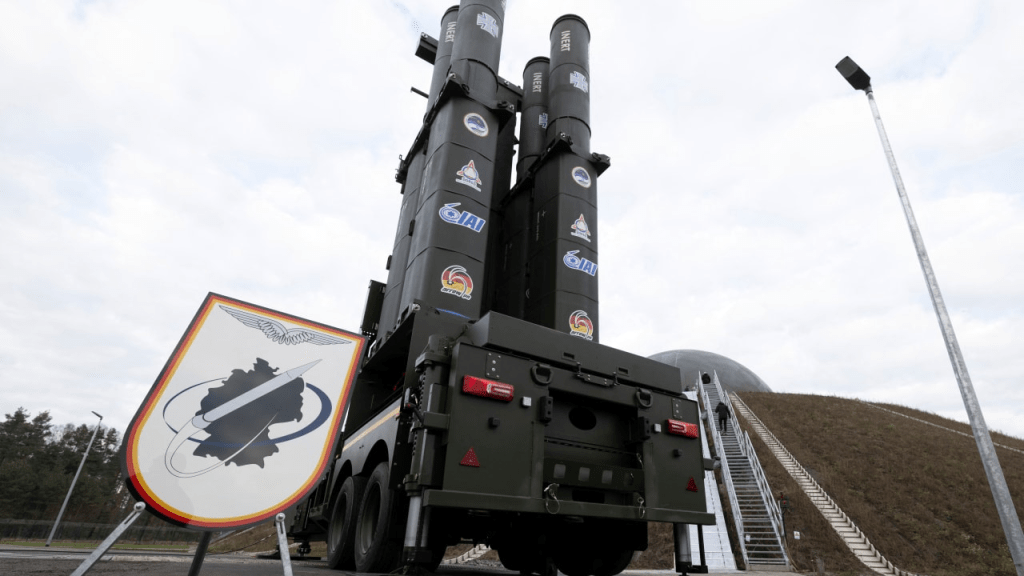
Germany expands missile defense network with second Israeli Arrow 3 site – The Arrow 3, one of Israel’s most advanced air defense systems, is capable of intercepting ballistic missiles at altitudes of over 100 km. and with a reported range of up to 2,400 km…
The Bundeswehr announced on June 30 that the second Arrow air defense battery site would be in the greater Kaufbeuren area of Bavaria and will house the ELM-2080 Green Pine Block C radar to detect and track threats.
The second location would complement the initial battery located at Fliegerhorst Holzdorf/Schönewalde, south of the capital of Berlin. That battery was the first time the system had been deployed outside of Israel.
It never left in the first place. Not when it comes to war technology.
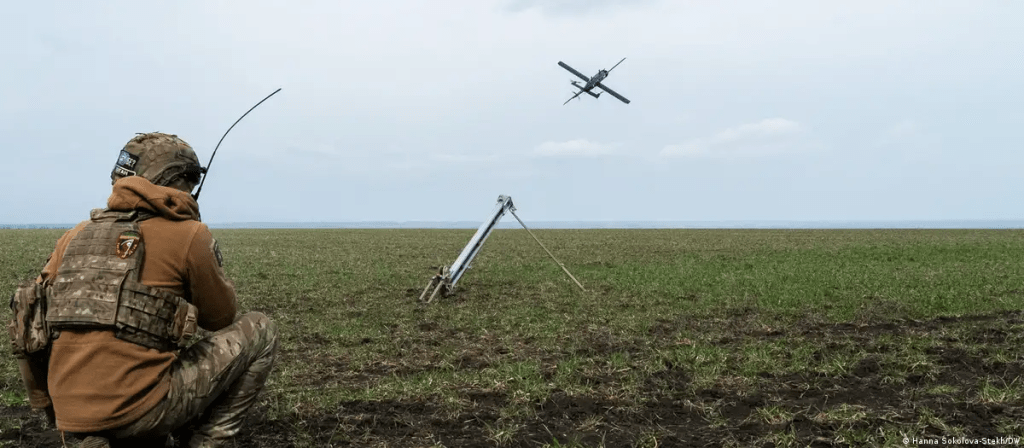
AI drones made in Germany see duty on Ukraine’s front line – The German defense company Helsing is supplying combat drones to Ukraine and will soon provide them to the Bundeswehr.
In a forested strip, two Ukrainian soldiers — a technician and an electrician — attach wings to a large black box. The kit is an HX-2 combat drone from the German manufacturer Helsing, equipped with artificial intelligence.
The billion-dollar startup from Bavaria is supplying thousands of these to the Ukrainian military, funded by the German government. Germany’s armed forces have also recently awarded Helsing a multimillion-euro contract.
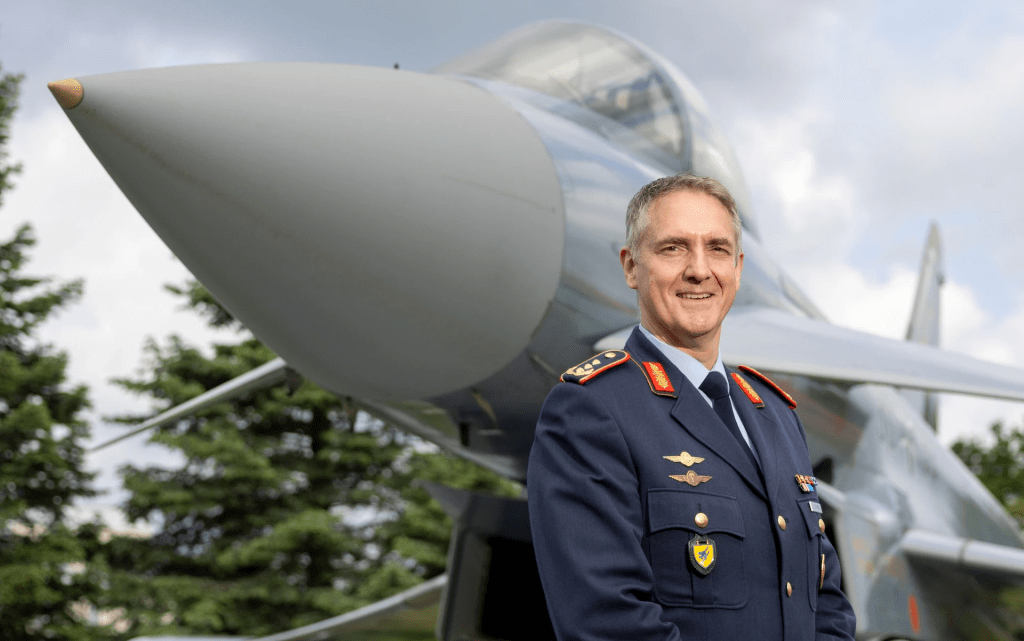
We’re ready to fight Russia tonight, vows head of German air force – Lt Gen Holger Neumann says Luftwaffe would launch devastating strikes if Moscow attacked a Nato ally.
Where will this German militarization madness end?
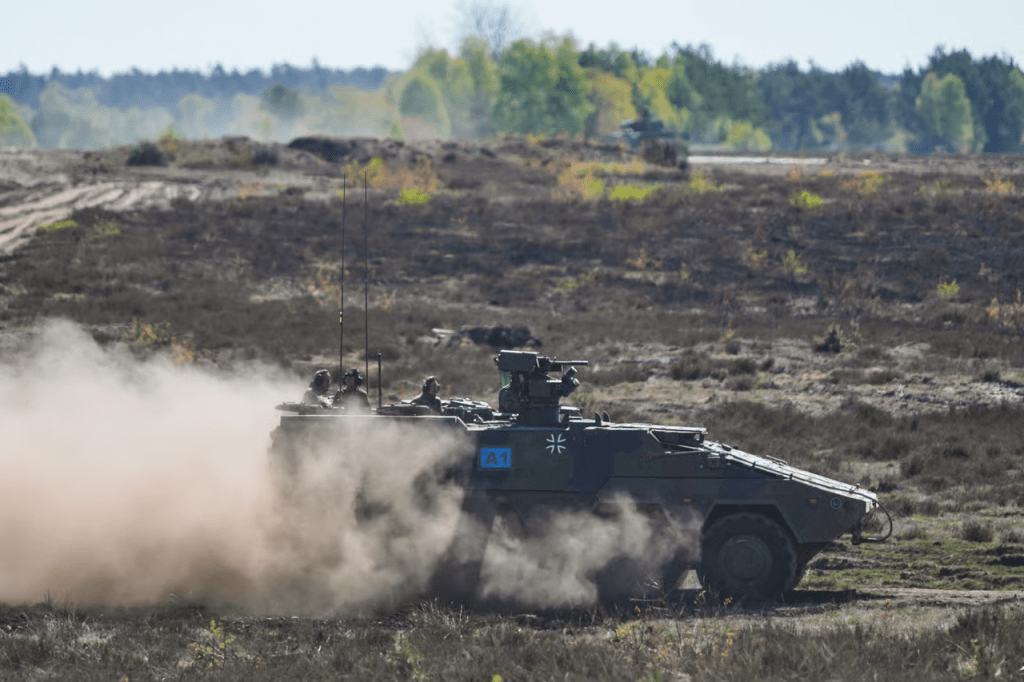
‘We must be ready to fight’: Germany army chief warns of rising Russia threat – Christian Freuding tells POLITICO that NATO allies agree Russia could be capable of attacking a member country by 2029.
You know, defense spending and all that? One shouldn’t jump to conclusions.
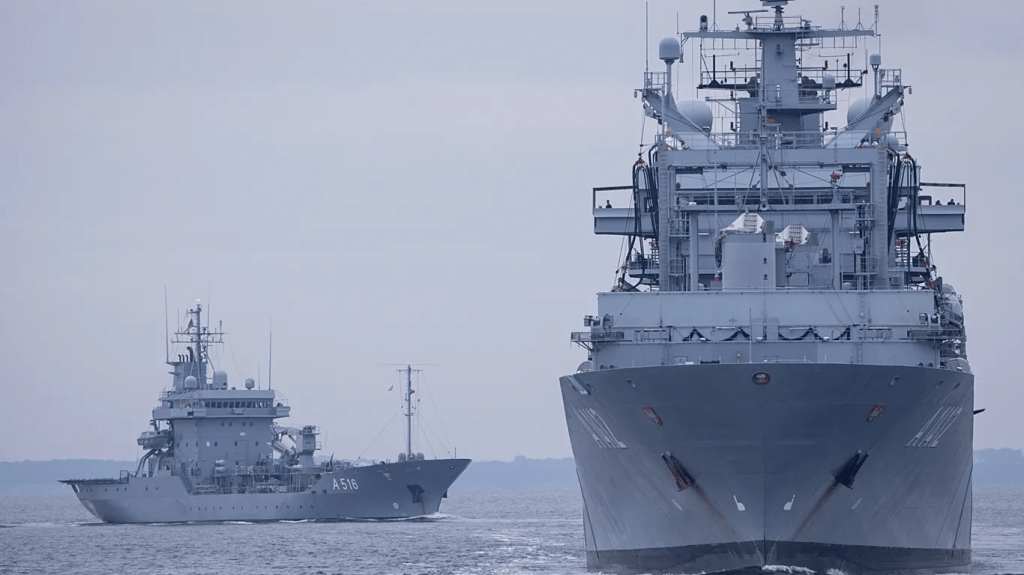
Who is behind the suspected sabotage attempts targeting the German navy?
Since the beginning of 2025, a total of ten possible acts of sabotage have been uncovered, according to CORRECTIV. The question is, who is behind them?
Germany’s ‘rapid militarization’ threatens basic rights – Ten human rights organizations say security interests are increasingly being prioritized over fundamental rights in Germany. The scathing criticism was presented in their “2026 Fundamental Rights Report.”
In an era of populism and authoritarian regimes worldwide, fundamental rights are coming under increasing pressure even in Germany, a country governed by the rule of law.
The 240-page-long “2026 Fundamental Rights Report,” presented in Karlsruheon Thursday, says fundamental rights are threatened, for example, when efforts to combat climate change wane, when affordable housing becomes scarce and when technical standards on social media violate informal self-determination. But the greatest danger comes when security concerns dominate domestic policy, and lead to a military buildup.
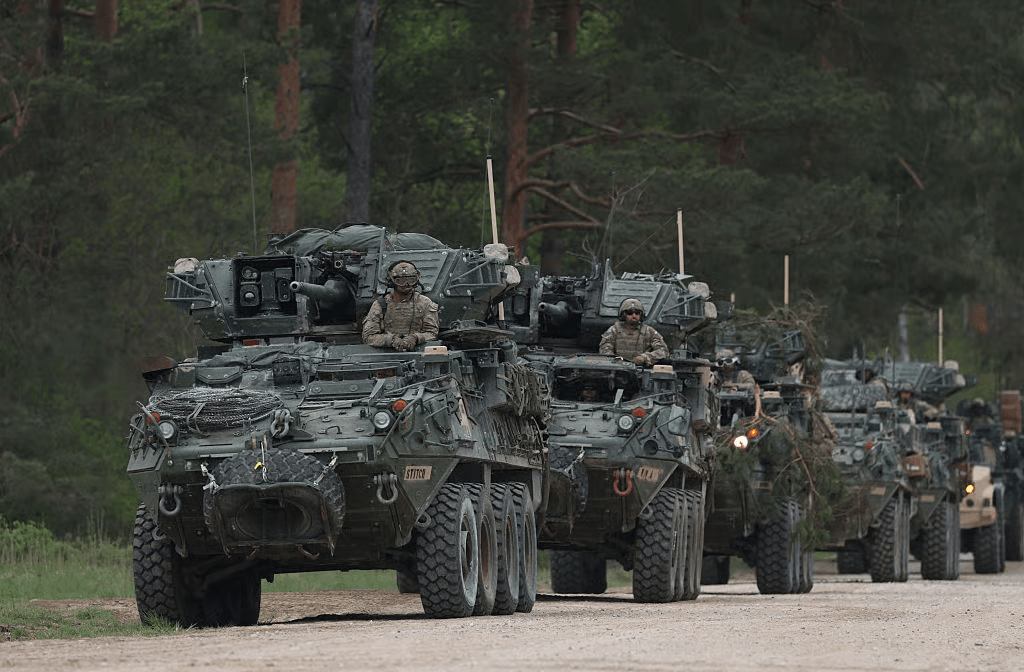
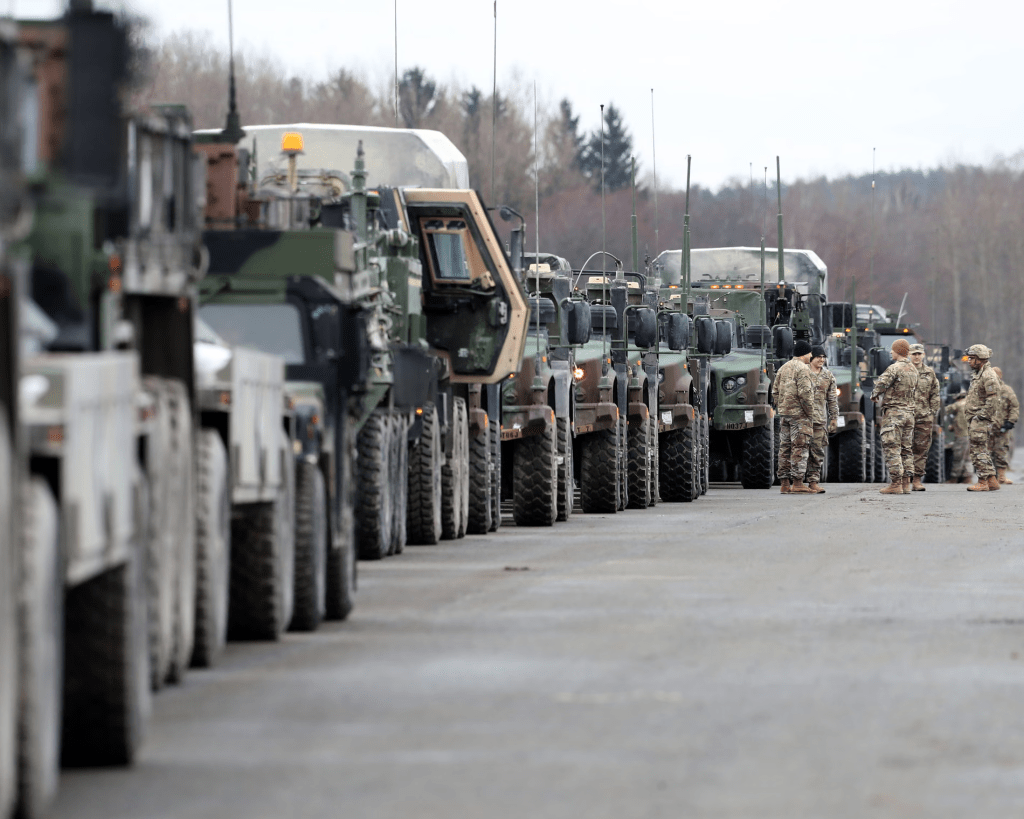
rump says he ‘might’ move US troops to Poland from Germany – Polish Prime Minister Donald Tusk has warned that Warsaw should not “poach” troops from allies.
U.S. President Donald Trump said he “might” move U.S. troops from Germany to Poland, as the Pentagon prepares to pull around 5,000 American soldiers out of Germany over the next year.
“Poland would like that,” Trump told journalists on Friday when asked about the prospect. “We have a great relationship with Poland. I have a great relationship with the president. … I like him a lot, so that’s possible.”
Trump threatens to reduce troop numbers in Germany amid growing row with Nato allies – US president’s threat comes after Germany’s Friedrich Merz suggests Trump team is being outplayed in its negotiations with Iran.
German high school students protest against military service – Tens of thousands of high school students took to the streets of cities all over the country to protest against the reintroduction of military service. Many people believe that conscription is inevitable.
Young people gathered in Berlin’s central Potsdamer Square on Thursday and marched through the German capital to protest against the government’s plans to reintroduce military service. While the police counted around 3,000 participants, organizers claimed there were 6,000 demonstrators in Berlin and 50,000 in more than 130 towns and cities across Germany.
“I don’t think I’ll be dying for my friends, relatives or acquaintances, in the worst-case scenario,” 17-year-old Shmuel Schatz, spokesperson for the School Strike Committee, told DW’s Gasia Ohanes. “Rather, in the end, only for those who are put into the trenches for the interests of large corporations like Rheinmetall, ThyssenKrupp, and others, so they can line their pockets at the expense of war.”