That’s how Germans like to see themselves. Aber das war einmal: But that was once upon a time.
Eurozone crisis in reverse as southern states scold Germany over gas – Analysis: Southern European countries were unwilling to sign up to homogenous 15% cut in gas.
A decade after its government admonished southern European states to “do their homework” of painful fiscal changes to end a sovereign debt crisis, Germany is slowly adapting to the humbling reality of being worst-in-class when it comes to reliance on Russian gas.
Germany wants clean, reliable energy. But first, to survive winter…
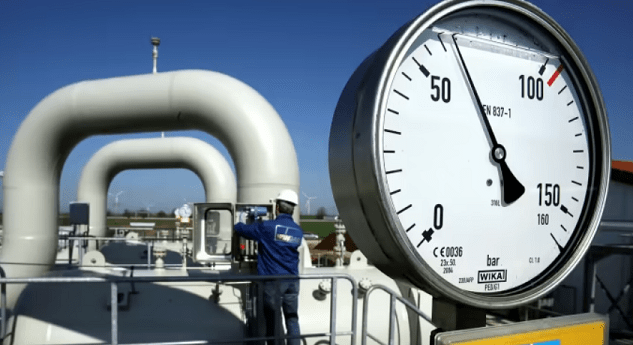
Germany is largely dependent on Russian energy, with half its natural gas and a third of its oil coming from that country. There’s currently no other way to quickly secure Europe’s supply of energy for heating, transportation, and industry, says the German government. But they’re trying. Leaders have decided to build liquefied natural gas terminals, which opens up new energy supplies but also raises a bevy of questions about Germany’s energy security.
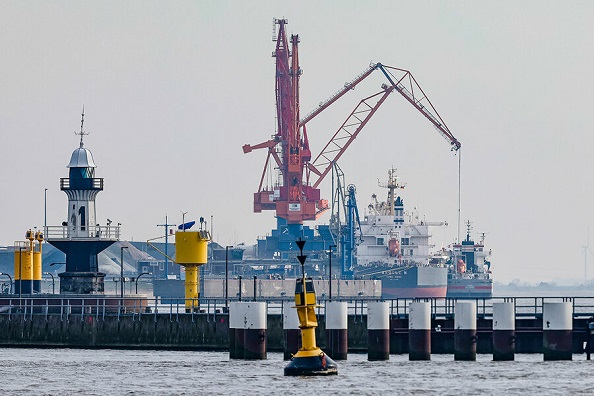
Nuclear energy has been phased out, and renewables such as wind aren’t yet ready to pick up the slack, so lawmakers have decided that LNG is the answer to Germany’s energy crisis. They’ve announced plans to build two domestic LNG terminals, which re-gasify the supercooled form of natural gas that arrives on ships. Leasing floating terminals and securing supply via terminals elsewhere in Europe is also in the works. Essentially, Germany is trying to buy whatever it can, from wherever it can.
Talk about being totally unreliable. The Russians did exactly what they said they were going to do. What’s he got up his sleeve this time?
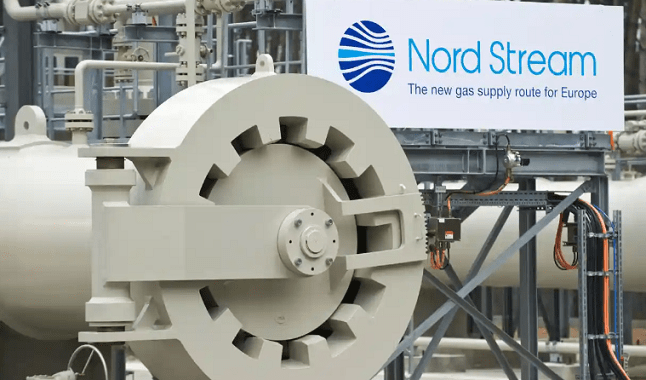
Nord Stream 1 operator started gas deliveries after maintenance – German media reports.
Gas deliveries through the Nord Stream 1 pipeline have resumed on Thursday and gas was flowing again, Spiegel and daily FAZ reported, citing a report by German newswire dpa.
Implications of a German Energy Crunch (with added Supply-Chain Problems).
On Monday, utility Uniper SE, Germany’s biggest buyer of Russian gas, said it had received a letter from Russia’s state-owned Gazprom PJSC that claims force majeure—a legal declaration that exempts the company from fulfilling contractual obligations due to circumstances outside its control—to justify past and current shortfalls in gas deliveries.
And over there. And over there too. Damn. Little Green lies all over the place. Actually, they’re not all that little either.
German Government Lied About Nuclear – Germany’s Economy and Climate Minister, a Green Party leader, lied about nuclear fuel rods.
The German government is moving forward with plans to close its last three nuclear plants this December despite Europe being gripped by the worst energy crisis in 50 years. Robert Habeck, Germany’s Vice Chancellor and Federal Minister for Economic Affairs and Climate Action, said there is no point in operating them because Germany lacks natural gas, not electricity.
“Nuclear power doesn’t help us there at all,” Habeck said on Tuesday. “We have a heating problem or an industry problem, but not an electricity problem — at least not generally throughout the country.”
Besides, Habeck said, only Russia could provide Germany with the uranium fuel rods required to keep the nuclear plants operating, and there was no way to make sure the plants would be able to operate safely.
But none of what Habeck said was true. Coal, natural gas, and nuclear energy all generate electricity. Less nuclear means using more of coal or natural gas, which is why the German Cabinet, led by Habeck, just approved burning more coal…
There’s tons of trees in that park down the street. But I don’t have a fireplace.
Germans could switch to wood this winter to heat their homes as Russia withholds natural gas, Deutsche Bank says – German households could turn to wood as a heating source this winter as gas supplies remain tight while Russia restricts flows to Europe, Deutsche Bank wrote in a note Tuesday.
The bank said it expects gas consumption in Germany to be 10% below 2021 levels thanks to private households saving and high gas prices. It also noted that coal and lignite could emerge as replacements for natural gas in the industrial power sector.
Sure it can. Until that four-letter word comes around the corner: Cold.
Germans’ support for Russia sanctions remains steady — but can it last?
Russia is supplying less and less gas and prices are rising. What will happen to solidarity with Ukraine when life gets tougher in Germany?
As Russia cuts gas deliveries, Germany’s energy supply is under threat and prices are rising. Now coal power plants, which are particularly harmful to the climate, are making a comeback.
Can’t wait for the debate about nuclear power plants to begin.
As long as they might like to. It’s for the good of the country or something.
Germany dims the lights to cope with Russia gas supply crunch – Fears of winter energy crisis bring calls for shorter showers and cooler swimming pools.
Germany is rationing hot water, dimming its street lights and shutting down swimming pools as the impact of its energy crunch begins to spread from industry to offices, leisure centres and homes.
A huge increase in gas prices triggered by Russia’s move last month to sharply reduce supplies to Germany has plunged Europe’s biggest economy into its worst energy crisis since the oil price shock of 1973.
Germans may have to ration hot water if Russia cuts off gas supply – Germany and other European countries depend on Russian oil and natural gas.
Germany is hunkering down for the possibility of Russia cutting off natural gas supplies, and some cities are preparing for the scenario that hot water for private households will need to be rationed going into winter.
That means emergency plan. Another good one is Schutzschirm. That means protective shield.
But both euphemisms point to another one: Staatshilfe, meaning state support or government assistence. And all any of this means, of course, is taxpayer money. In this particular case, the government burning taxpayer money to fix a problem it created in the first place (see German dream world energy policy).