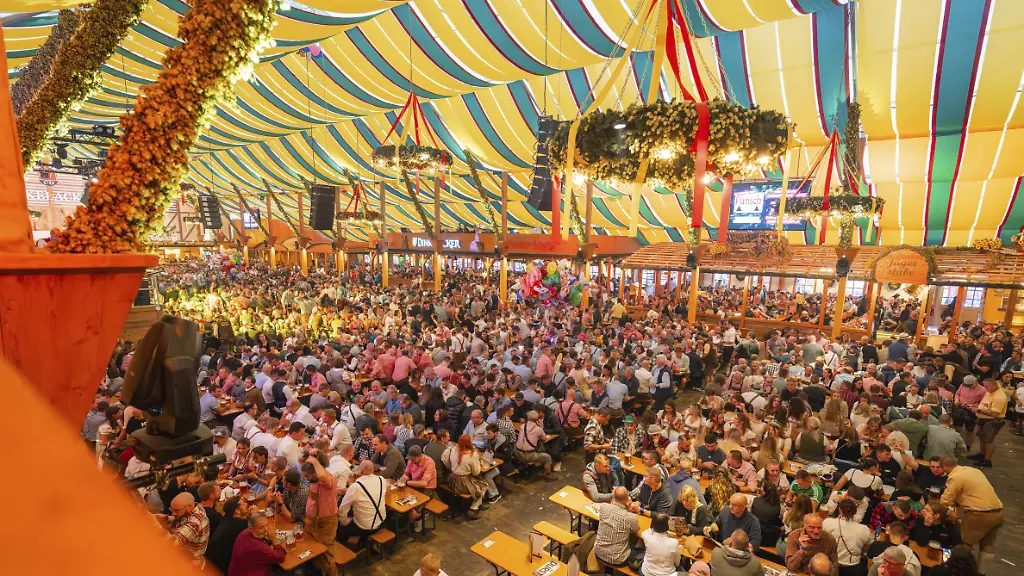
Oktoberfest: A Maß of beer (one liter) costs five times as much as it did in 1985 – Beer prices at the Wiesn (Oktoberfest) —or rather, the frustration over them—have been a topic of discussion in Munich for decades. In raw numbers: This year, a Maß of beer costs an average of 15.61 euros, 2.4 percent more than last year.
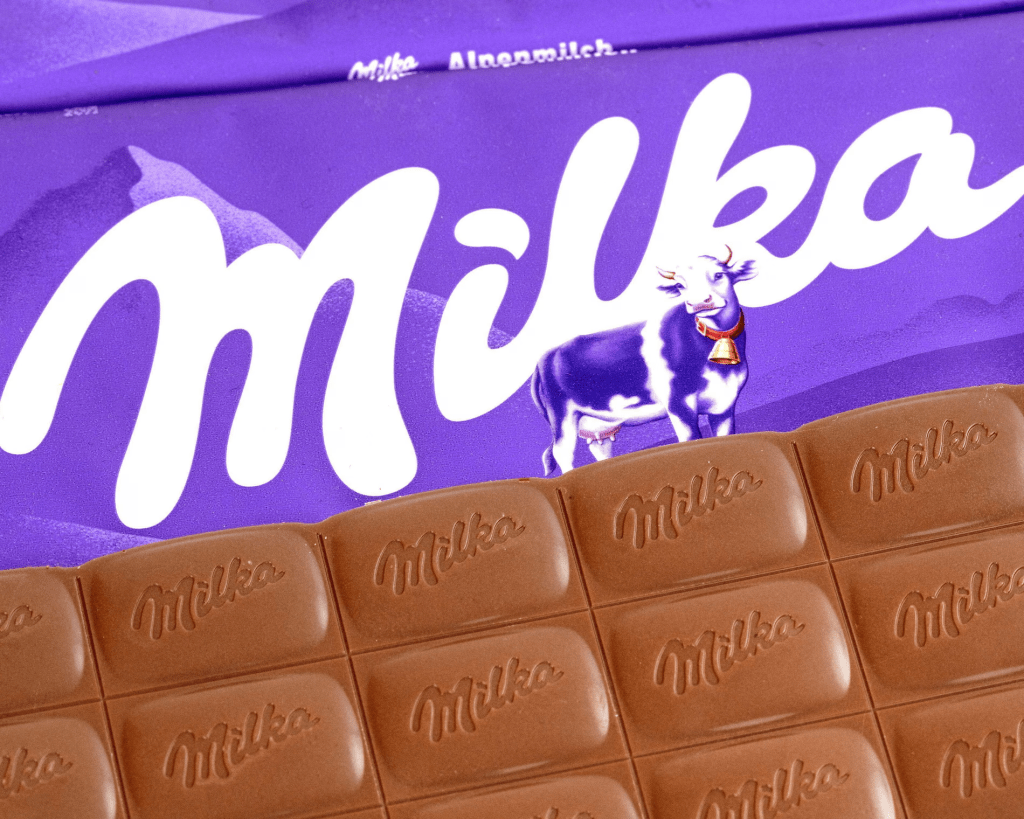
Milka maker milked shoppers over size of chocolate bars, German court rules – Brand owner Mondelēz was accused of reducing weight of Alpine Milk bar from 100g to 90g without significantly altering the packaging.
No. Well, yes. The criminal gangs known as “politicians.”
The old and the poor are doing the shoplifting because they can’t afford the food.
Shoplifting hits record high in Germany: Are criminal gangs behind it?
Shoplifting cost the German retail sector nearly €3 billion in 2024, a new record that was partially driven by organised crime. The federal government is also missing out on millions of euros in tax revenue.
German retailers noticed a gaping hole of missing merchandise worth €4.95bn when they completed their inventories in 2024. That’s according to a new publication by the country’s EHI Retail Institute, based on a survey they carry out each year.
The highest healthcare and retirement costs, the highest energy costs, the highest regulation costs, then there’s the inflation, now the debt…
No, it’s a real mystery why Germans can’t afford to live on their wages anymore.
Why more Germans can’t afford life on their wages – German politicians are fond of saying, “Work must be worth it.” But ever more full-time workers need state benefits, and the new minimum wage hike is seen as disappointing.
Vater Staat (Father State) has everything under control. Wie immer (as usual).
Germans fear rising cost of living – Inflation, migration, expensive housing — these are the things that most people in Germany are worried about, according to the latest study “Germans’ Fears 2024.”
Sounds just like back home in US-Amerika. What’s not to like?
German economy unexpectedly shrinks, inflation ticks higher – The German economy unexpectedly contracted in the second quarter after skirting a recession at the beginning of the year and July’s inflation rose, showing the continuing struggles of the euro zone’s biggest economy.
Germany’s gross domestic product contracted by 0.1% in the second quarter compared with the previous three-month period, preliminary data from the statistics office showed on Tuesday.
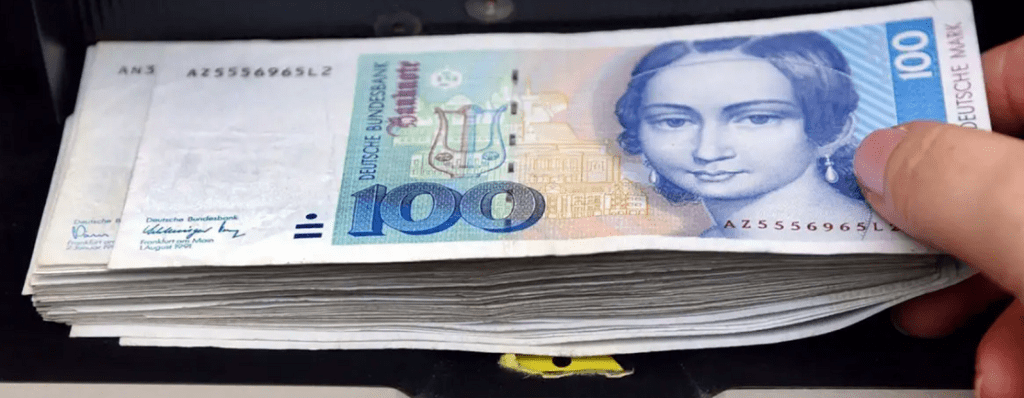
Why are Germans hoarding billions of useless deutsche marks?
As everything seems to be getting more expensive through inflation, many Germans have a secret stash of cash at home. They’re holding on to their long-expired currency instead of exchanging it. What are they waiting for? …
Though these marks can no longer be used, they can be traded for euros.
Like, what are we supposed to do? Take the concerns of our fellow citizens seriously (see Migrant Madness, unaffordable energy, the housing crisis, inflation, Ukraine, etc.)?
That’s out of the question.
Germany bewildered about how to halt the rise of the AfD – The far right’s rise is sending shock waves through the country’s political landscape.
In Germany, news regarding the seemingly unstoppable rise of the right-wing Alternative for Germany (AfD) appears on an almost weekly basis. But nowadays this isn’t just true of the notoriously AfD-friendly states in east Germany, it’s also spreading further west.
In Saxony, Thuringia and Brandenburg, the AfD is currently running well above 30 percent. The party is gaining ground in the former West German states of Hesse and Bavaria as well, where it is expected to land at around 15 percent in this weekend’s elections.
Because Germany is definitely suffering from that.
Is Germany’s great economy sinking into ‘slowcession’? Key data this week will offer a hint as to whether the eurozone’s powerhouse can shake off recent stagnation.
Engine of the eurozone, industrial powerhouse, export world champion – just some of the ways Germany’s economy has been described over the years.
However, recent figures have indicated that the good times have come to an end, with Europe’s largest economy stuck in recession.