Because of the Iran war?

Nice try.

Germans have been cutting energy use for years. But this has been in direct response to Germany’s brain dead Green energy policies. Fun fact: They have the highest energy costs in Europe (in the world?). See the current German economic meltdown. “Current,” get it?

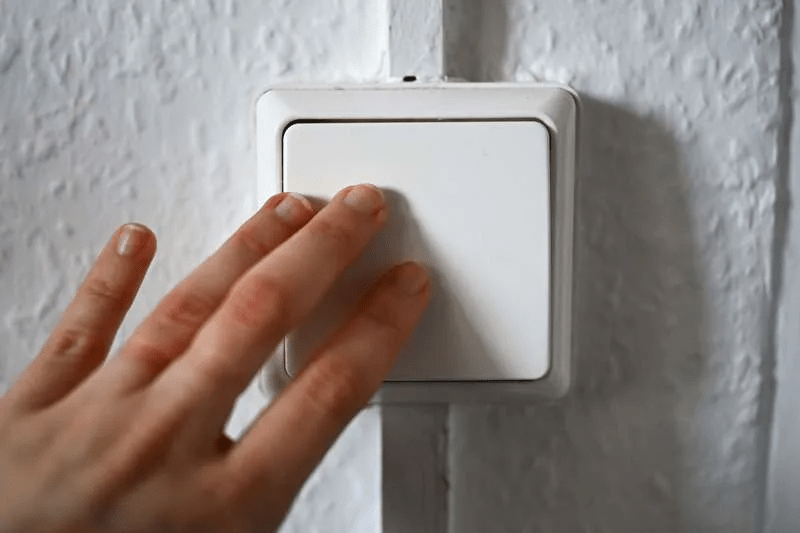
Survey: Two-thirds of Germans cut energy use in response to Iran war – Some two-thirds of German residents are consciously reducing their energy consumption in response to rising prices linked to the war with Iran, according to a survey published on Monday by comparison portal Verivox.

The representative poll found that 55% of respondents were trying to lower heating costs, while 52% were paying closer attention to electricity use and 56% said they switched off electronic devices instead of leaving them on standby.

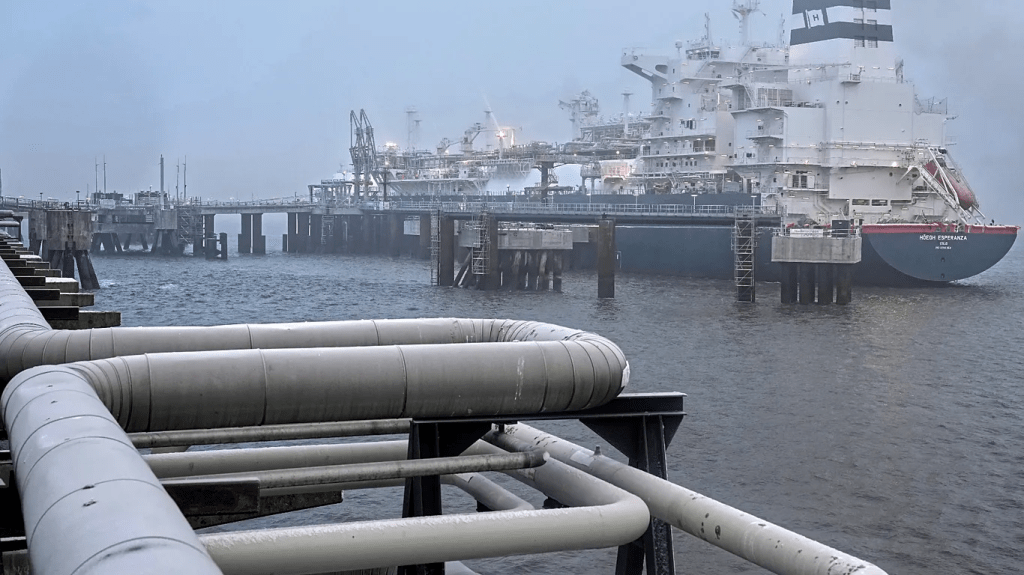
Deeper ties to China?

Smart move, Germany (Schleswig-Holstein).

Reminds me of those deeper ties to Russia right before the war in Ukraine broke out.

German state eyes deeper China cooperation in energy, innovation – Significant potential exists to deepen cooperation between the northern German state of Schleswig-Holstein and east China’s Zhejiang Province, particularly in energy transition, hydrogen and advanced manufacturing, according to Daniel Guenther, minister president of Schleswig-Holstein.

His remarks come as the two regions mark 40 years of partnership, with both sides seeking to expand ties despite an increasingly complex geopolitical and trade environment.

Germany won’t miss its climate targets for 2026, 2027, 2028…

Because their industries are dying, or already dead.

And this is primarily due to its climate emissions targets.

Germany misses climate targets as emissions barely fall in 2025 – Greenhouse gases dropped just 0.1% last year as environment minister criticises lack of improvement.

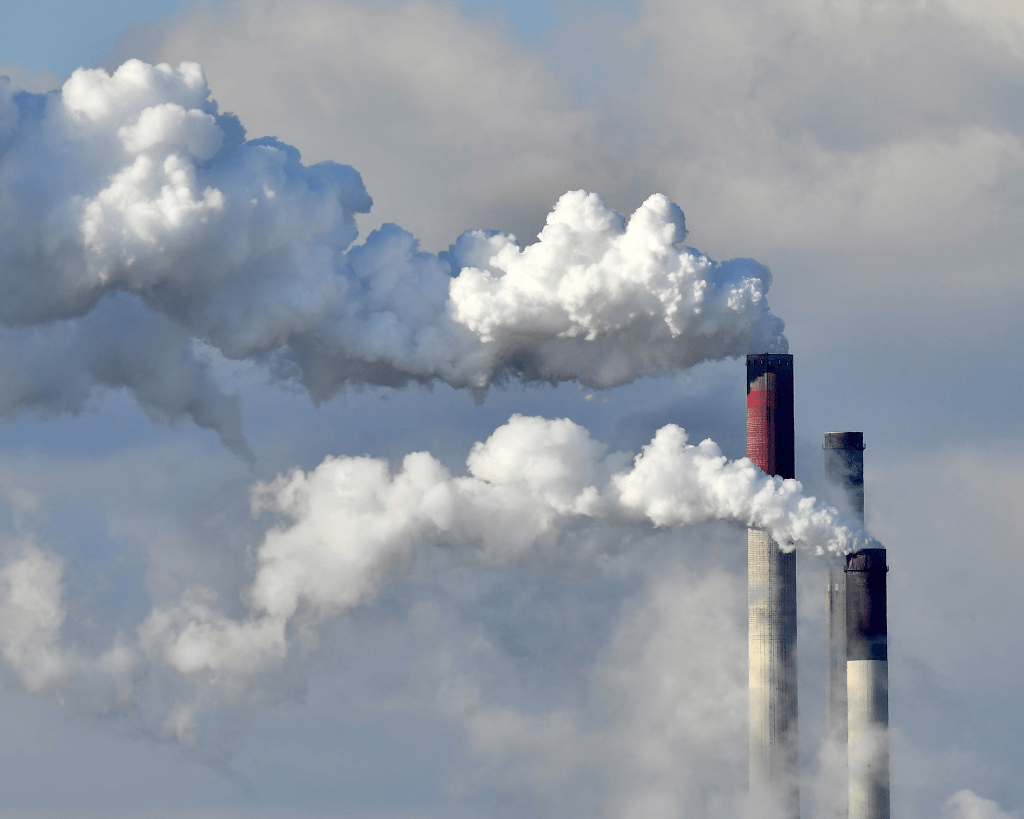
Greenhouse gas emissions in Germany have again missed targets set by the Climate Protection Act and barely fell at all in 2025.

Emissions decreased by just 0.1% last year compared to the previous year, according to data from the German Environment Agency.

The next 20,000 jobs gone

Could it be our ridiculously high energy costs? Nah.

Germany’s industrial engine sputters as Bosch axes 20,000 jobs – Rising unemployment rate piles pressure on Chancellor Friedrich Merz’s government.

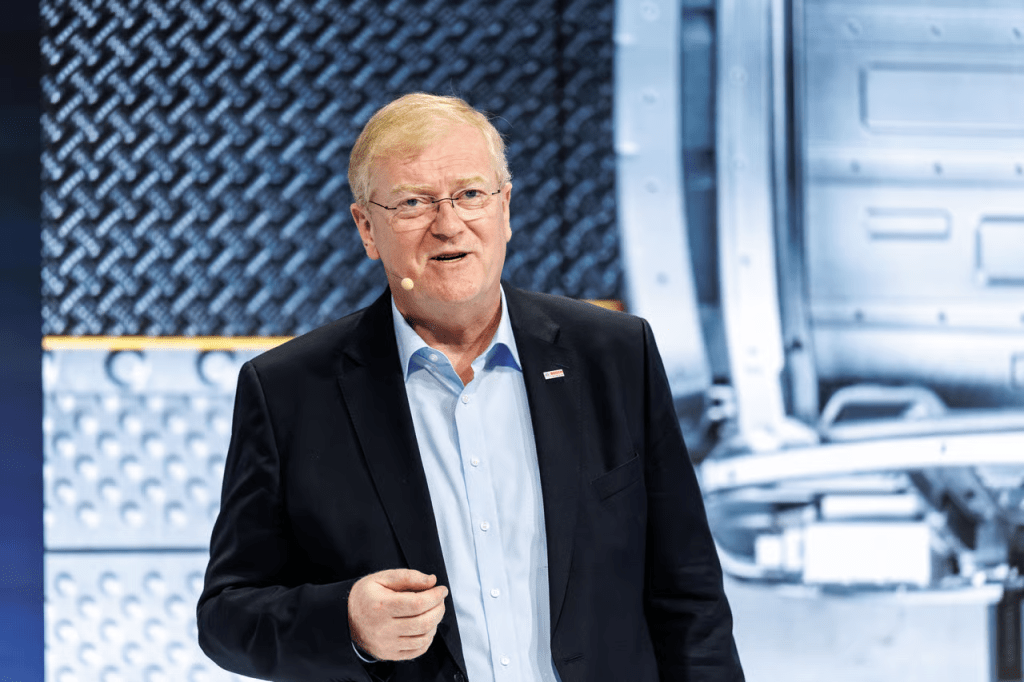
German industrial giant Bosch on Friday confirmed plans to cut 20,000 jobs after profits nearly halved last year, underlining the mounting strain on Germany’s once-dominant manufacturing sector and increasing the pressure on politicians in Berlin to find a solution.

Official data released Friday also showed Germany’s unemployment rate, unadjusted for seasonal factors, rising to 6.6 percent — the highest level in twelve years. The number of unemployed people surpassed three million in January.

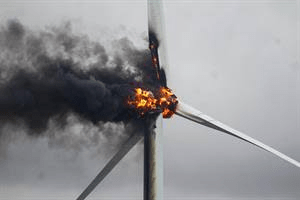
“Below-average wind speeds” are to blame

Not the lame-ass technology itself.

Alright, move on, nothing to see here, disperse…

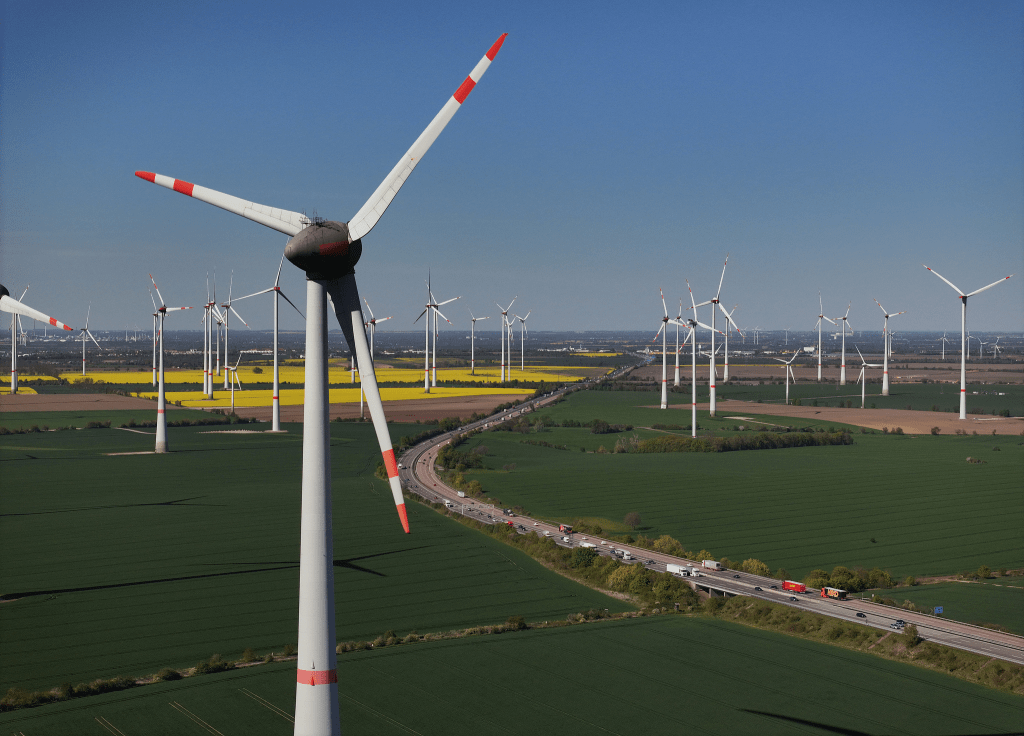
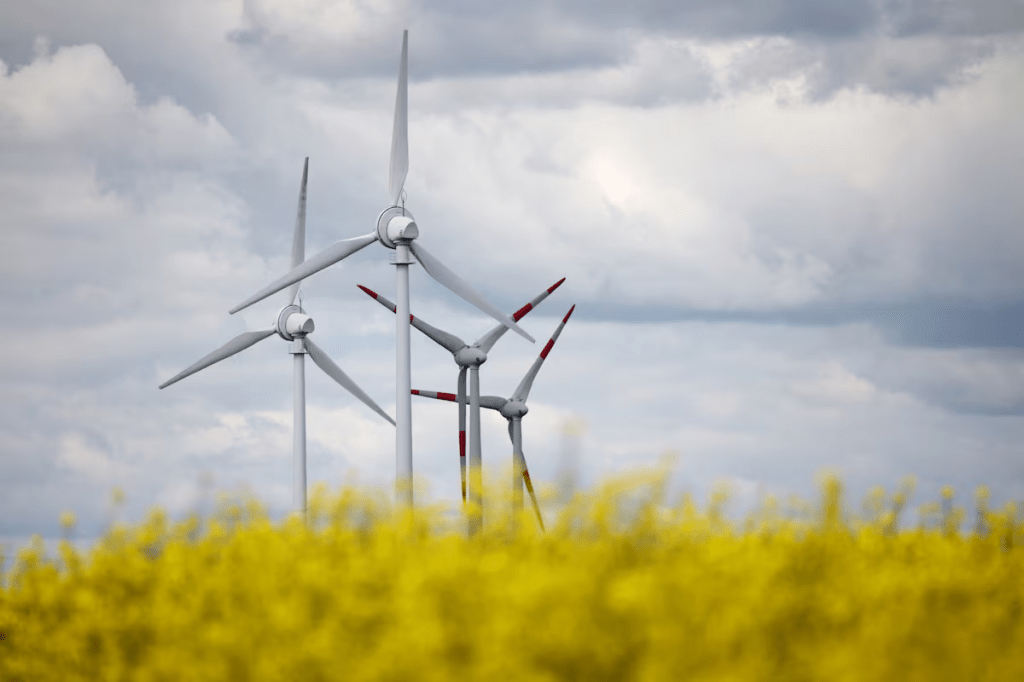
Germany’s stretch of weak wind output set to drag on into 2026 – Europe’s largest wind power producer – Germany – remains in the grips of a years-long bout of sub-par wind electricity production due to below-average wind speeds at turbine level.

Total German wind-powered electricity output fell by around 4% in 2025 from the year before, and followed a less than 1% annual expansion in 2024, despite steady annual increases to Germany’s total wind generation capacity for over a decade.

There’s “critical”

Then there’s “very critical.”

Then there’s Germany critical.

Merz issues business SOS in letter to allies – Chancellor Merz has told coalition politicians the situation in several key German businesses is “very critical.” He said the government must prioritize improving areas like energy and labor costs in 2026.

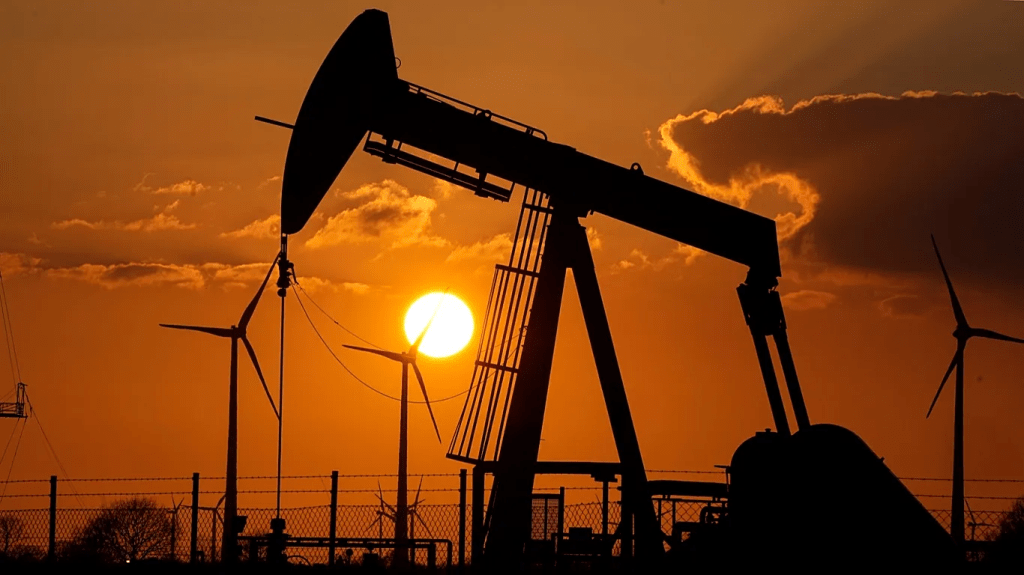
Don’t blame it on your voluntary dependency on Russian energy

You already had the highest energy prices before the war in Ukraine began.

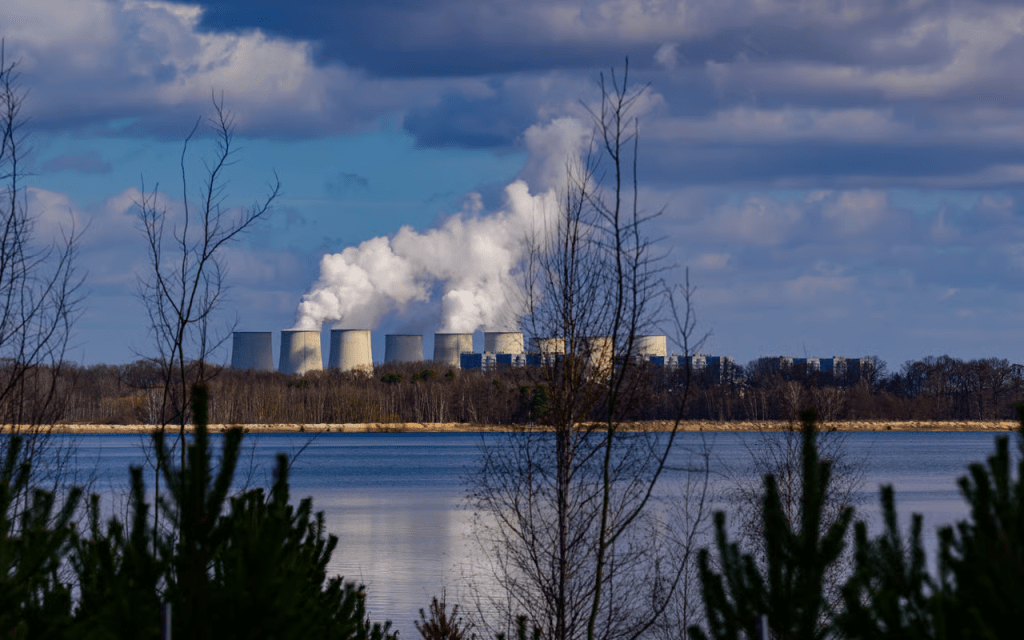
Blame it on your self-inflicted Green Energiewende (energy turnaround). Turn off all your nuclear power plants and find out.

Germany’s heating bills have tripled since the start of Russia’s invasion of Ukraine – Germany has faced a significant increase in heating costs since 2021, after deciding to end its reliance on Russia as a key energy supplier over its full-scale invasion of Ukraine.

Germans are facing a 82% increase in heating costs since 2021, when the country decided to cut ties with Russia following its full-scale invasion of Ukraine.

What’s a little power gap here and there…

As long as you can say you have the highest energy costs in Europe?

Or is it the highest energy costs in the world? I forget. Go, Greens!

Germany could see power supply gap in 2030, regulator says – Germany’s Federal Network Agency on Wednesday warned that rare electricity shortfalls could occur as early as 2030 if the country’s energy transition stalls, though supply is otherwise expected to remain secure through 2035.

The Security of Supply Report, approved by the federal cabinet on Wednesday, highlights the risks should renewable expansion slow, new gas-fired power plants fail to materialize, and electricity demand not become sufficiently flexible.