Not about having out of control migration, the highest energy prices in the world, a stifling bureaucracy, no army, a crumbling infrastruture, a lack of skilled workers…
Slamming Trump is something we can all feel good about.
German Election Spotlight Turns to Trump – The American president’s foreign policy, and a divisive speech by his vice president, drew attention away from an attack by a refugee that some expected would fan political tensions over migration.
That means attack. As in terrorist attack. As in the next one.
Munich: Söder speaks of attack – driver 24-year-old Afghan – A car has driven into a crowd of strikers in Munich. At least 28 people were injured, including children. Bavaria’s Minister President speaks of a “suspected attack”. The driver of the car was an Afghan asylum seeker.
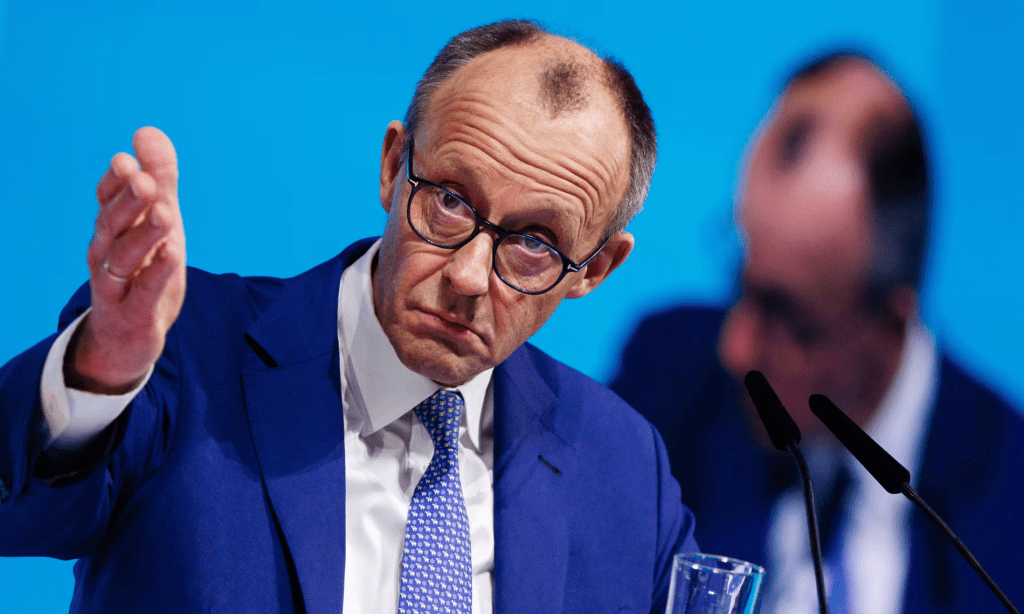
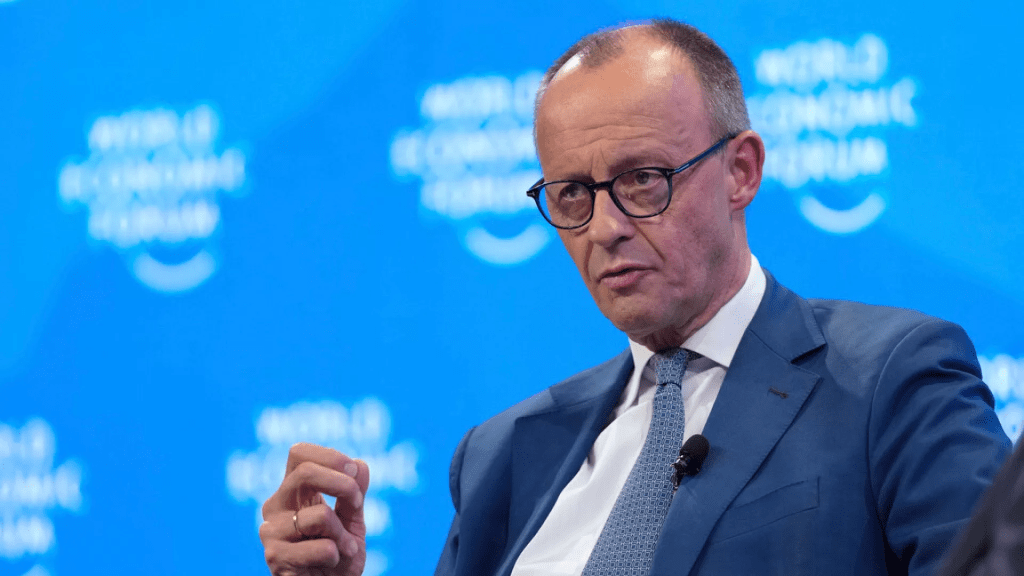
Merz doubles down on gambit with German far right in combative speech – Prospective chancellor takes startlingly aggressive line against those protesting against gamble with AfD.
The German conservative opposition leader, Friedrich Merz, whose party is widely tipped to win this month’s general election, defended his hardline migration proposals after a wave of protests accused him of breaching the time-honoured “firewall” between the far right and centrists.
In an uncompromising speech to a party congress of his Christian Democratic Union (CDU) in Berlin, Merz said he was confident they would win the 23 February vote “with a very good result”, well ahead of the anti-immigration, anti-Islam Alternative für Deutschland (AfD), which has been consistently placing second in the polls.
Five days after passing a non-binding resolution on border policy with the votes of the far right – marking a historic breach of a taboo – Merz renewed a promise to bar any formal cooperation with the AfD in future.
“We will not work with the Alternative für Deutschland – not before [the election], not after – never,” he said to a lengthy standing ovation from delegates.
Immigration: German voters want to accept fewer refugees – A majority of Germans believe the country should accept fewer refugees, according to the latest Deutschlandtrend poll. However, most are in favor of EU-wide solutions and are against their country “going it alone.”
As in dissenters within your own party. In this case, Germany’s CDU.
Germany’s parliament rejects radical migration plan – Greens and SPD earlier refused to support the Influx Limitation Act amid fierce criticism from Merkel over Merz’s cooperation with AfD…
The highly-controversial proposal, put forward by the CDU/CSU opposition party which leads in the polls, failed to secure a majority in the Bundestag, despite the backing of the far-right Alternative für Deutschland.
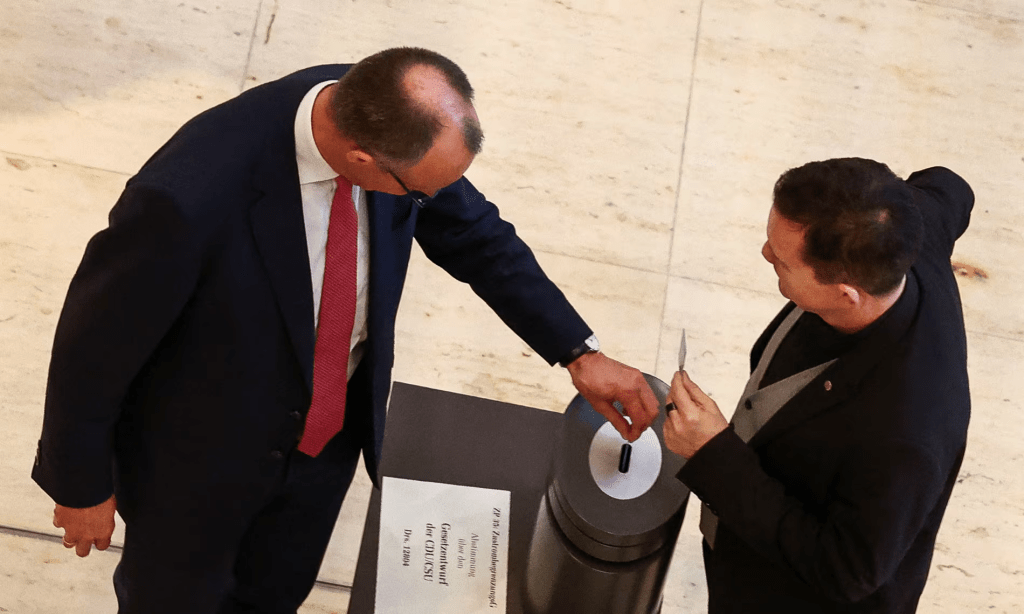
German immigration motion passes, breaking taboo on cooperation with AfD – Narrow passage of controversial CDU-CSU motion ends longstanding boycott on cooperating with far-right party.
The German parliament has narrowly passed a motion urging tough restrictions on immigration that was highly controversial because it was backed by the far-right Alternative für Deutschland party.
The motion was brought by the conservative opposition CDU-CSU and backed by, among others, the AfD, breaking a longstanding taboo on cooperation with the anti-immigration party.
When it comes to Germany’s migration policy. Something that has never been taken before. Or maybe this time doch (after all)? Could it really be possible now?? Nah.
Germany’s opposition leader Merz under fire for vowing migration crackdown – Germany’s opposition leader Friedrich Merz is under fire for vowing strict border controls if he is elected chancellor, with the frontrunner citing a deadly knife attack that was allegedly carried out by a rejected asylum seeker as justification for a migration overhaul.
The leader of the Christian Democratic Union (CDU) on Thursday presented a five-point migration plan calling for, among other things, a “de facto entry ban” for all people without valid documents and permanent control of all of Germany’s borders…
Merz has steadfastly ruled out the possibility of working with the controversial AfD — which has been traditionally shunned in parliament amongst Germany’s more established parties.
Yet the AfD’s candidate for chancellor, Alice Weidel, emphatically supported Merz’s proposals, which she claimed her party had put forward first. Weidel said that the AfD could work with the CDU in order to gather enough votes for Merz’s measures to pass.
The Germans will continue to vote as have; way too Green and way too Red.
And the next coalition government will be just as ineffective as the last one. For whatever mysterious reason, this is what the German electorate wants.
Germany’s likely next chancellor demands migration crackdown after knife attack – Germany’s main opposition leader demanded a sweeping overhaul of migration policy and permanent border controls on Thursday, a day after an Afghan asylum seeker was arrested for a deadly knife attack targeting children weeks before federal elections.
Friedrich Merz, who is likely to become chancellor after the Feb. 23 vote, said the attack, which killed a two-year-old boy and an adult passerby, could not become the new normal, saying all “illegal immigrants” should be turned away at the border.
Austria’s ‘firewall’ against the far right collapsed. Could the unthinkable happen in Germany too?
Could Germany go the way of Austria? Could the party of the far right be invited to form a government? What was previously deemed impossible, then revised down to improbable, is now possible. There are two scenarios in which this could happen…
Meanwhile… Two dead after knife attack in Aschaffenburg.





 Observing Hermann