Germans may have to ration hot water if Russia cuts off gas supply – Germany and other European countries depend on Russian oil and natural gas.
Germany is hunkering down for the possibility of Russia cutting off natural gas supplies, and some cities are preparing for the scenario that hot water for private households will need to be rationed going into winter.
That means emergency plan. Another good one is Schutzschirm. That means protective shield.
But both euphemisms point to another one: Staatshilfe, meaning state support or government assistence. And all any of this means, of course, is taxpayer money. In this particular case, the government burning taxpayer money to fix a problem it created in the first place (see German dream world energy policy).
But don’t worry. We’ve got everything under control.
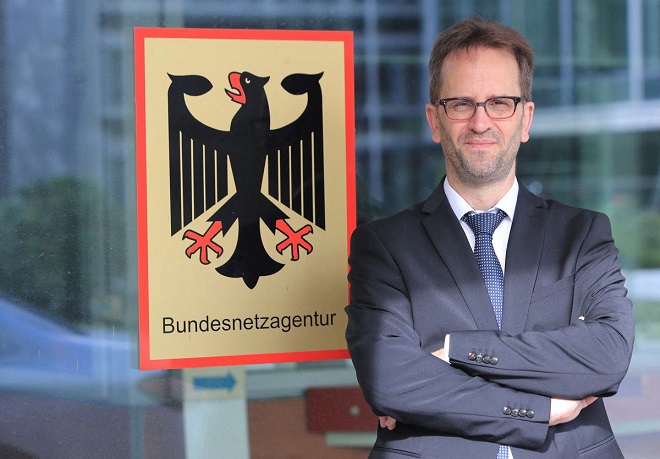
Regulator urges Germans to prepare for possible gas shortage – Fearing Russia might cut off natural gas supplies, the head of Germany’s regulatory agency for energy called on residents Saturday to save energy and to prepare for winter, when use increases.
“Families should start talking now about whether every room needs to be set at its usual temperature in the winter — or whether some rooms can be a little colder.”
German regulator hints at gas rationing priorities, Funke reports – Germany’s energy regulator has listed priority areas that would have protected access to power if there are severe gas shortfalls this winter, ranging from households and hospitals to pharmaceuticals companies and paper producers.
The other kids were jumping off the bridge. What, me worry?
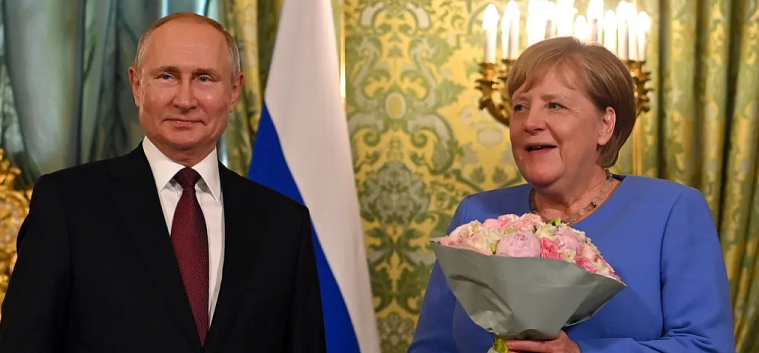
Russia’s invasion of Ukraine has not only revealed the willful ignorance of German politicians, businesspeople, and voters to Vladimir Putin’s regime, it has cast a dark backwards shadow over the tenure of former chancellor Angela Merkel.
Merkel’s lack of regrets illustrates the fallacies of Germany’s Russia policy – Russia’s war of annihilation against Ukraine and the unhinged rhetoric of its elites raise urgent questions about the future for Europeans, for the trans-Atlantic alliance, and for global order.
For a generational cohort of German politicians, some of whom are retired and some still in power, it also raises urgent questions about the past. What could they have known, or at least predicted? What bloodshed could they have prevented?
It’s progressive even. One should see this latest problem as another opportunity, another chance to excel into the Brave New German Green World you seek. Using this environmentally-friendly private transportation model, for instance. There are no areas in which you can’t conserve energy, if you only try. Really, really hard.
Germans urged to use less energy after Russia cuts gas supply and prices surge – Germany has accused Russia of trying to push up gas prices by cutting supplies.
“We’ll just build some more of those solar windmill thingies to compensate and make Germany greener than ever,” an unnamed German Green government minister said. “The rest of the world really marvels at our green energy utopia here, you know,” he added. “They’re like totally green with envy.”
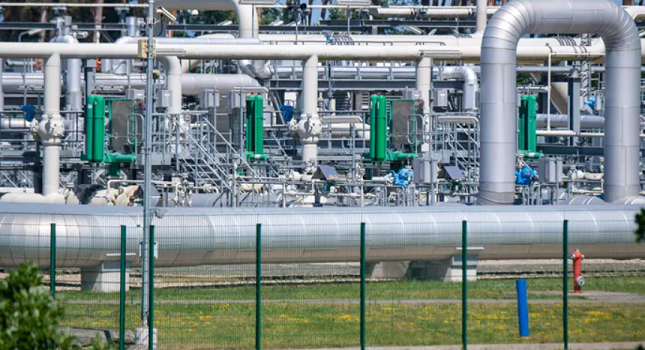
Russia‘s announcement that it would reduce natural gas flows through a key European pipeline by roughly 40% appears to be a political move rather than a result of technical problems, Germany’s vice chancellor said Wednesday.
The reduced flows follow Russia‘s halt of natural gas supplies to Bulgaria, Poland, Finland, Netherlands, Denmark as Europe works to reduce its dependence on Russian energy amid the war in Ukraine. Gas demand has fallen after the end of the winter heating season, but European utilities are racing to refill storage ahead of next winter with prices high and supplies uncertain.
To manage your money here? What could possibly go wrong, Deutsch Bank?
Deutsche Bank relocated hundreds of IT specialists from Russia to Germany – German lender lowers dependency on technology centre supporting its investment and corporate bank.
‘We were all wrong’: how Germany got hooked on Russian energy – Germany has been forced to admit it was a terrible mistake to become so dependent on Russian oil and gas. So why did it happen?
Why? That’s easy. Because Germans always want an Extrawurst (an extra sausage, as in special treatment). Well, they’re sure getting special treatment these days.
When Putin invaded Ukraine in February, Germany faced a particular problem. Its rejection of nuclear power and its transition away from coal meant that Germany had very few alternatives to Russian gas. Berlin has been forced to accept that it was a cataclysmic error to have made itself so dependent on Russian energy – whatever the motives behind it. The foreign minister, Annalena Baerbock, says Germany failed to listen to the warnings from countries that had once suffered under Russia’s occupation, such as Poland and the Baltic states.
And then, of course, there were the warnings from EVIL US-Trump-Amerika itself. Those just had to be ignored. Well, wake up and smell the Kaffee is all I can say now.
So, of course “Germany Can Survive Without Russian Gas.”
The Greens think Germans should do without any form of gas, other than the kind you get from being a vegatarian. They don’t think Germans need any of that yucky energy and industry stuff at all, in fact. Just sunshine, wind, tweeting birds and apple trees. And a treehouse for everyone in the forest. And butterlies. And a cozy campfire every once in a while. But not too many of those because of the CO2.
Economy Minister: Germany Can Survive Without Russian Gas – Germany will be able to withstand a halt of Russian natural gas supplies as long as it manages to fill up its gas storage, Economy Minister Robert Habeck told German media this week.
In an interview with WirtschaftsWoche cited by Bloomberg, Habeck explained that the country would be able to weather the effects of a potential suspension of gas supplies from Russia under three conditions: that it fills up its gas storage facilities before the next heating season begins, that it finishes adding its planned LNG import capacity, and that Germans reduce their energy consumption.




 Observing Hermann