Spending money you don’t have?

It’s easy, Germany. You can do it too.

The best part is that there are never any consequences… Right? Even when spending the money you don’t have is never actually spent.

Germany’s borrowing spree plans face a reality check – Investors would be wrong to overstate concerns about a debt surge by the country.

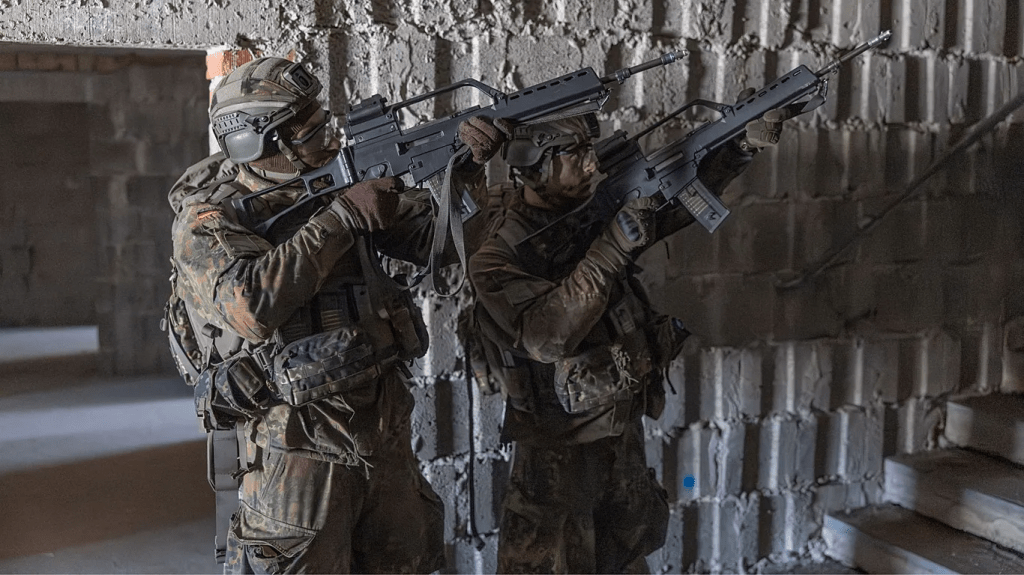
Germany has had an abrupt awakening on the need to increase defence spending. The country enjoyed an oversized peace dividend for years: before the Berlin Wall fell, west Germany spent almost 3 per cent of GDP on defence. In the three decades after 1993 that ratio dropped to around 1.2 per cent annually. Military capabilities fell commensurately.

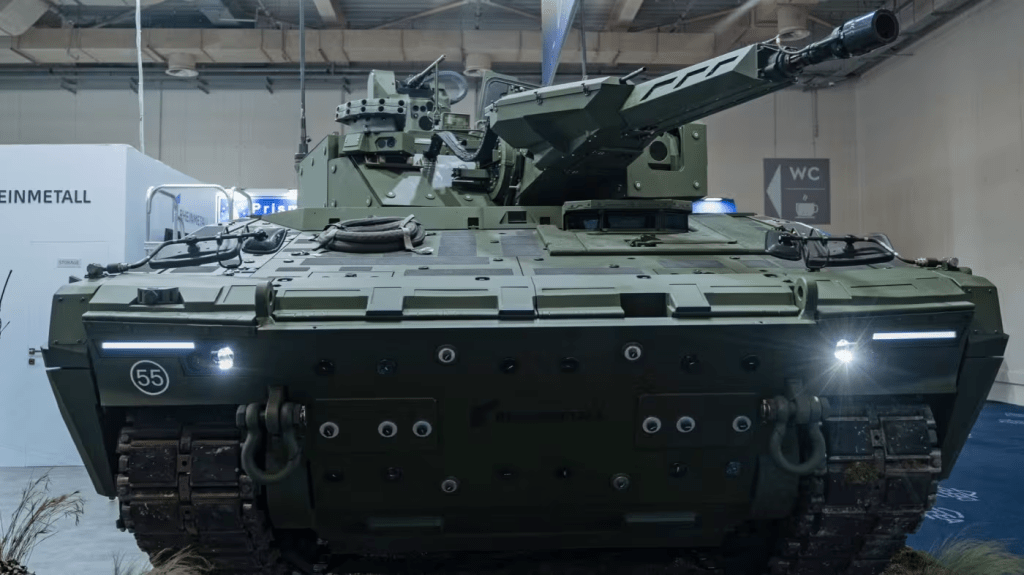
Since Russia’s attack on Ukraine and the election of a US president given to venting misgivings about European allies, a hectic scramble has ensued to make up for lost time. As chancellor, Olaf Scholz declared a “Zeitenwende” (or historical turning point) and parliament approved a €100bn debt-financed special fund for defence spending…

Nevertheless, markets would be wrong to overstate the German debt surge. The government’s ambition will probably be thwarted when the plans get in contact with reality. Appropriating borrowing permission is much easier than actually spending it. Scholz’s military special fund is a case in point. Up to April, halfway through its life, only around a quarter of the money has been disbursed.

You can pump in all the money you want

Into defense.

What difference does it make if nobody is interested in defense?

Few Germans willing to take up arms to defend country, survey shows – Nearly 60% of Germans say they are not prepared to defend their homeland with weapons if Germany were attacked militarily.

Only 16% of Germans would “definitely” be willing to defend their country with weapons in case of a military attack, according to a new poll released Monday.

The Forsa Institute survey revealed widespread reluctance among Germans toward military engagement, despite repeated warnings from political and military leaders that the country should prepare for a potential armed conflict.

A clear majority—59%—indicated they would “probably not” or “definitely not” be prepared to defend Germany militarily if attacked. Among women, this reluctance was even higher at 72%.

German of the day: Anstieg

That means surge.

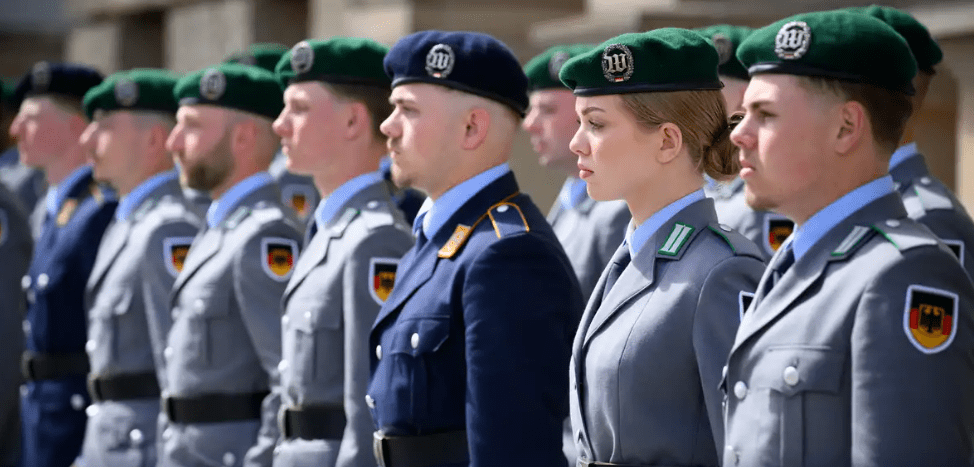
German armed forces see 28% surge in recruits in NATO defence boost – Germany’s armed forces reported a 28% surge in soldier recruits from January to late July, compared with the same period last year, bolstering plans to boost NATO defences in response to what it sees as an increased threat from Russia.

The Defence Ministry said on Thursday more than 13,700 people had joined the Bundeswehr – the army, air force, navy and other forces – in that period, in what it said was the steepest rise for years.

German of the day: Skynex

That means drone killer.

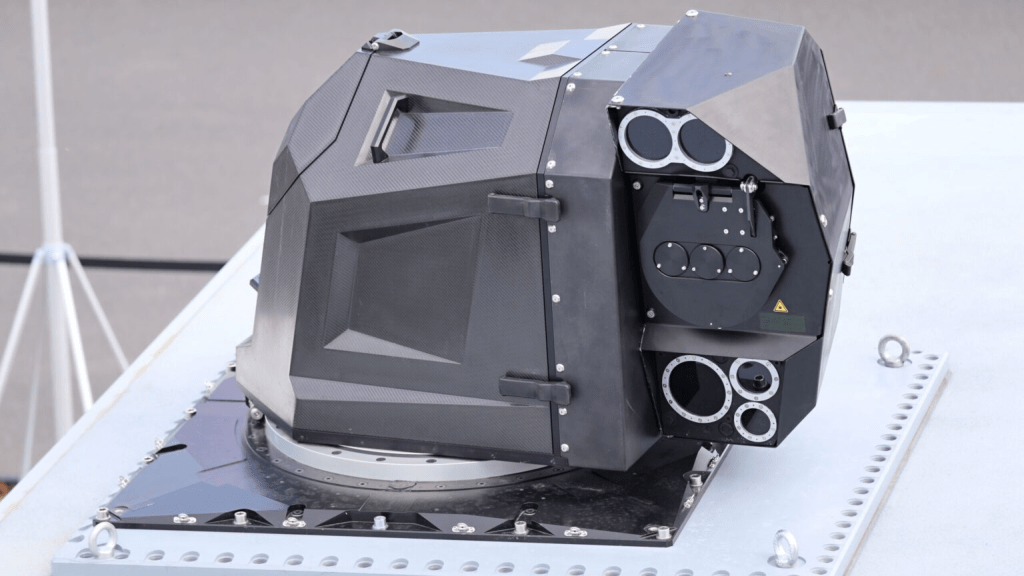
Germany’s Drone Killer in Action: Ukraine Deploys Skynex to Destroy 7 Russian Shaheds Overnight – The Ukrainian Air Force has released footage showcasing the successful operation of the German-made Skynex air defense system against Russian Shahed-type loitering munitions.

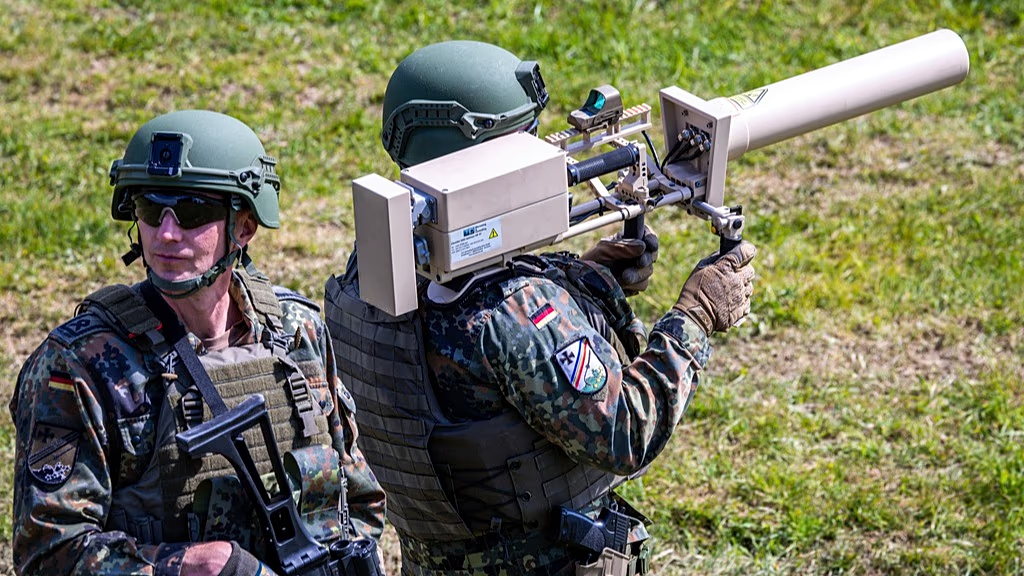
According to Ukraine’s Air Force Command on July 12, the Rheinmetall-developed Skynex anti-aircraft artillery complex has demonstrated consistent effectiveness in intercepting enemy unmanned aerial vehicles (UAVs).

The time and location of the intercepts were not disclosed, but officials confirmed the system’s performance has met operational expectations.

German of the day: Dom

That means cathedral.

Dome, on the hand, means dome.

Germany seeks Israeli partnership on cyber defence – Germany is aiming to establish a joint German-Israeli cyber research centre and deepen collaboration between the two countries’ intelligence and security agencies, German Interior Minister Alexander Dobrindt has said…

According to Bild, Dobrindt outlined a five-point plan aimed at establishing what he called a “Cyber Dome”, as part of Germany’s cyber defence strategy.

Earlier on Sunday, Bavarian Prime Minister Markus Soeder called for the acquisition of 2,000 interceptor missiles to equip Germany with an “Iron Dome” system similar to Israel’s short-range missile defence technology.

Why older Germans are opting for military service?

Ah, because younger Germans aren’t?

Prepared to defend: Why older Germans are opting for military service – Thomas Hüser did not serve his country in uniform and with a weapon in the early 1990s, but instead opted to work for a year as a care assistant for the elderly – as was his right under Germany’s laws on alternative military service.

However, since the Russian invasion of Ukraine in 2022, the 54-year-old had a major rethink on his earlier moral stance on taking up arms.

“In the face of global threats, serving in the armed forces is a question of solidarity. Only a strong military can protect us,” said Hüser, a communications expert and manager who runs a zinc smelter in the northern German state of Lower Saxony.

German of the day: Veteranentag

That means Veterans Day.

Germany’s first since, well, ever. Breaking taboos is hard to do.

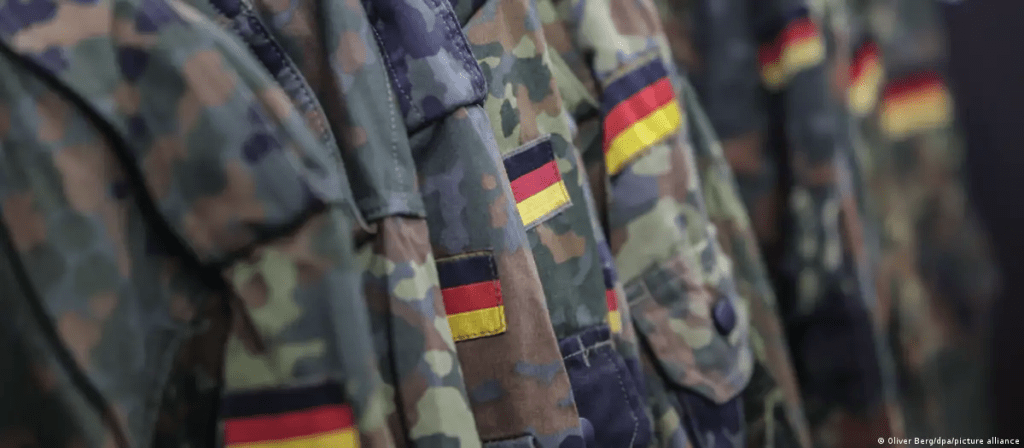
Germany will hold its first celebration of veterans since the second world war on Sunday, as the nation recalibrates its complex relationship with the armed forces in the wake of Russia’s invasion of Ukraine. Germany breaks taboo with first celebration of veterans since second world war

Russian aggression in Ukraine has helped drive a historic shift in attitudes towards military.

Defence minister Boris Pistorius will join current and former soldiers and members of the public taking part in a day of events across the country — including at a “veterans’ village” constructed in front of the Reichstag in Berlin.

It marks a historic shift in a nation where anything that could be viewed as a display of militarism was for years seen as taboo.

“A culture of caution”

Could get you killed.

‘Crazy’ data rules hit German plans to boost army reserve – Reservists’ association says Berlin has lost contact with almost a million potential reservists.

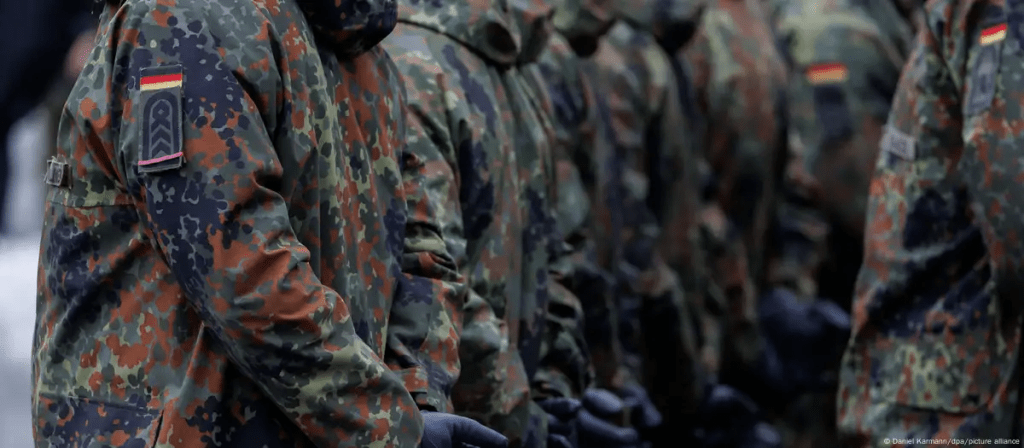
Strict data protection laws are hindering Germany’s efforts to swell the ranks of the armed forces of Europe’s largest nation, its reservists’ association has warned. 

Patrick Sensburg, head of the Reservist Association of the German Armed Forces, said tough German and EU privacy rules meant it could not keep in contact with close to a million people who might help boost the country’s reserve forces as it seeks a stronger role in European defence and security…

Sensburg, a former member of parliament from Merz’s ruling Christian Democrats, added that while some might be unwell or uninterested, if even only a quarter of the 1mn agreed to serve it would be enough to meet the target for reservist numbers. 

He said it was absurd that the body responsible for collecting Germany’s annual television fee could contact citizens a few weeks after they had moved house, while he had no way of tracking down people whose names were in the association’s records.

German of the day: Trittbrettfahrerei

That means free-riding.

After solomnly commemorating the end of World War II 80 years ago…

German politicians solomnly commemorated the end of 80 years of free-riding on defense spending.

It was emotional.

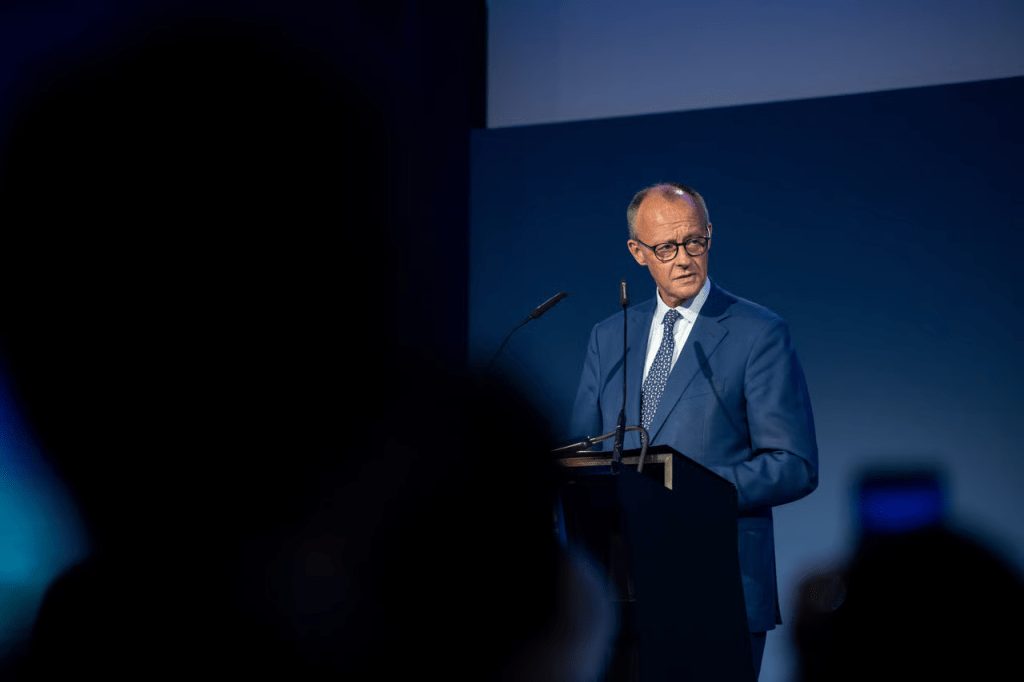
Newly elected German Chancellor Friedrich Merz joined a wreath-laying ceremony in Berlin. The Bundestag also held its own remembrance service.