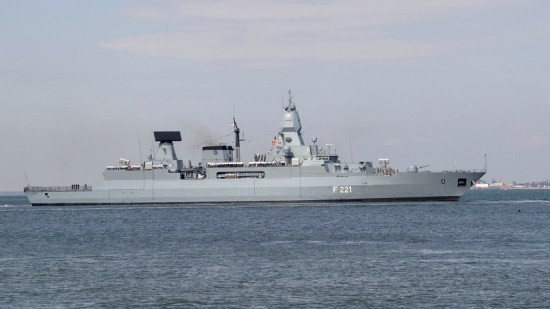
By 2029?

In Germany? I have my doubts.

And “cost-effective?” This is more doubtful yet.

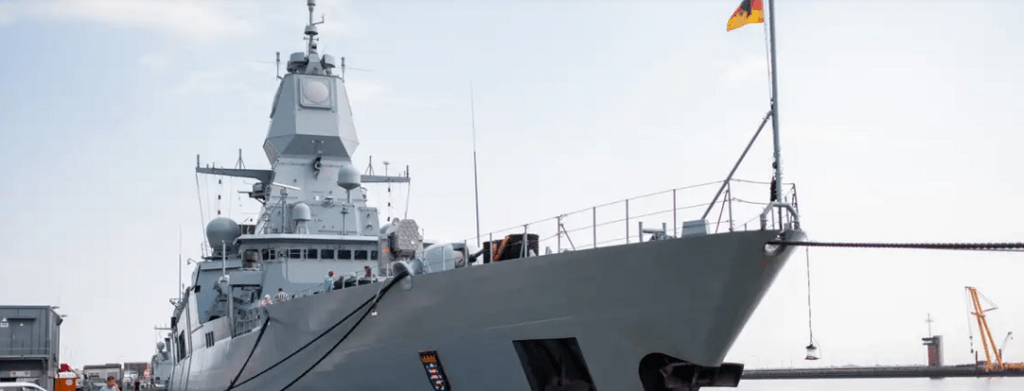
German laser weapon could be on ships by 2029, say contractors – “Successful tests conducted on the frigate SACHSEN proved the demonstrator’s tracking capability, effectiveness and precision under real operational conditions for the first time in Europe,” the announcement says...

“Based on this, an operational laser weapon system could be available to the German Navy as of 2029, providing a powerful and cost-effective addition to conventional guided missiles,” the statement adds.

“Flying eye” lasered

“Without reason or prior contact.”

Germany summons Chinese envoy over laser-targeting of surveillance plane – Berlin says incident risked lives of military personnel protecting Red Sea shipping.

A German defence ministry spokesperson said the aircraft involved in the incident earlier this month was a multi-sensor platform plane. Known as a “flying eye” for its wide-range surveillance capabilities over the sea, it is piloted by civilians with military personnel on board…

It was not the first time the Chinese military has been accused of using lasers against western forces, a move that can temporarily blind pilots and affect aircraft electronics systems.

German war machine now ready for war

Or for wear.

Or at least the German navy is.

Wow. That didn’t take very long.

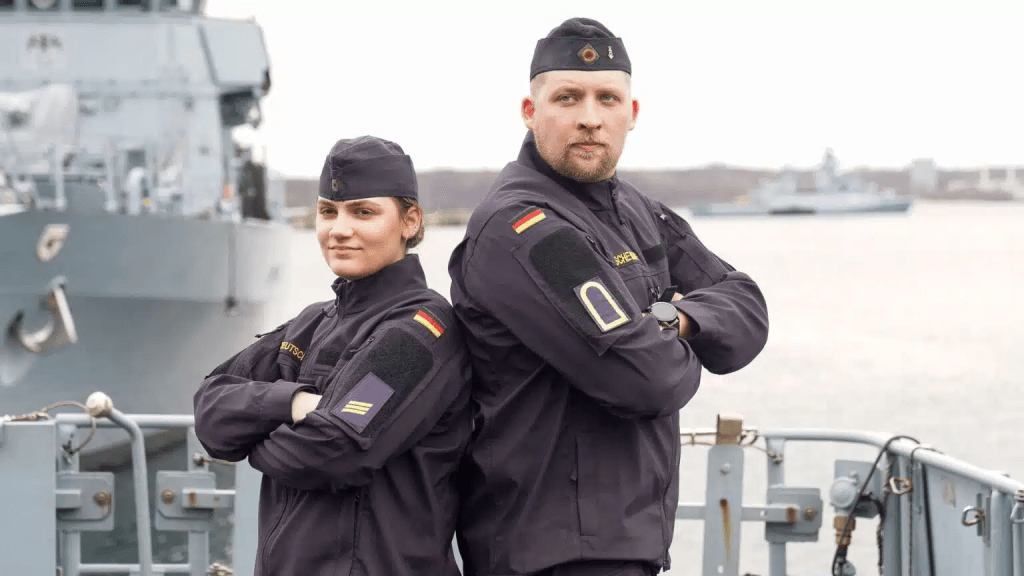
German Navy sailors receive brand new uniform – With the new development of the shipboard combat suit, which began in 2023, the German Navy (Deutsche Marine) is presenting a new uniform for its seafaring personnel for the first time. The sailors will be equipped with it from the end of the year.

If a frigate and a supply ship is the entire German navy…

I don’t know how much reassurance that’s going to give.

As China flexes muscle, German Navy sails to Asia to reassure allies – European forces signal combat readiness and pitch weaponry to regional partners.

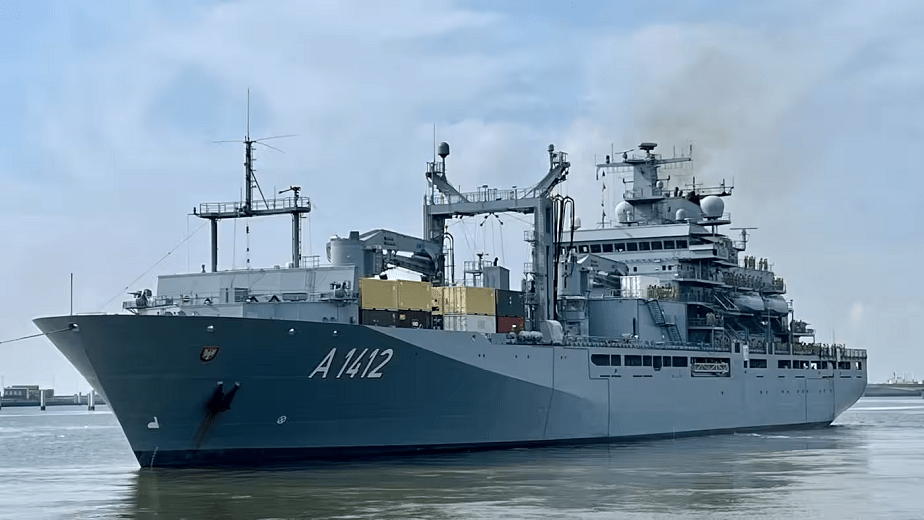
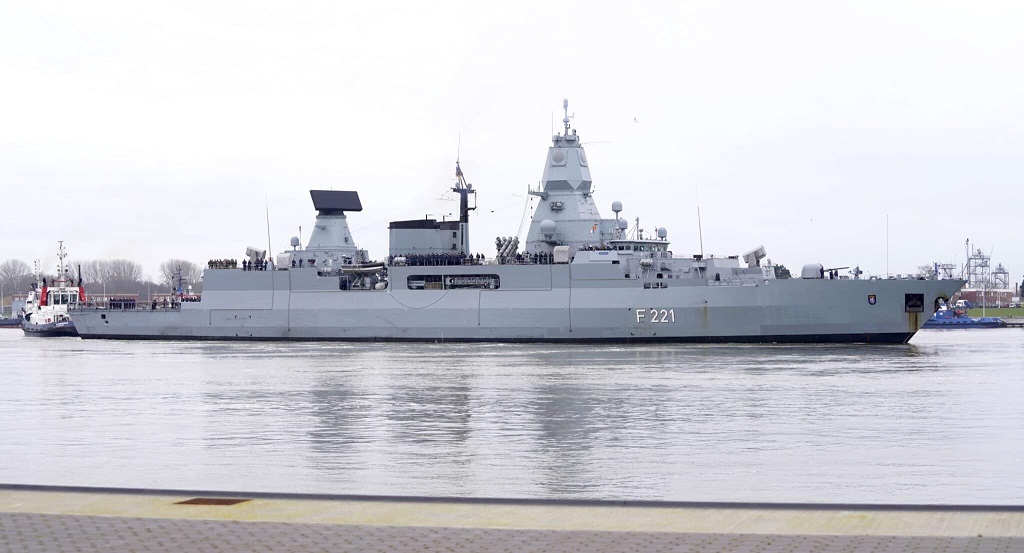
A German frigate and combat supply ship set sail from Europe to Asia this week in a show of support for allies facing China’s “aggressive behavior,” with the defense minister not ruling out the prospect of the vessels passing through the Taiwan Strait.

This Could Mean War

If China won’t let a German warship into one of their harbors who else is going to fix it over there? They may have to blast their way in.

China denies German warship entry into harbor, Berlin says – China has denied a German warship on a mission to the contested South China Sea entry into a harbor, a German Foreign Ministry spokesperson said on Wednesday.

The ship involved is the frigate Bayern, the spokesperson told a news briefing, but did not identify the Chinese harbor. The vessel set sail from Germany last month for a six-month mission to the South China Sea.

“China has decided that it does not want a harbor visit, and we took notice of that.”

German Navy Threatening China

And the Chinese are threatening to laugh themselves silly.

Frigate

No one was available to explain just how the German frigate will be towed to Japan, however. Or who will do it.

Germany to send naval frigate to Japan with eye on China – Berlin wary of Beijing’s expansionism but seeks decoupling of politics and trade.

“We must not allow them to rely on strength to impose their own order.”

History Really Does Repeat Itself

The German navy does this regularly, I guess. Commit suicide, I mean.
Suicide

So I suppose you could call the one going on presently a ritual suicide, albeit slower than those of the past (look what’s been going on with the Bundeswehr for the past thirty or forty years or so and you’ll get my drift).

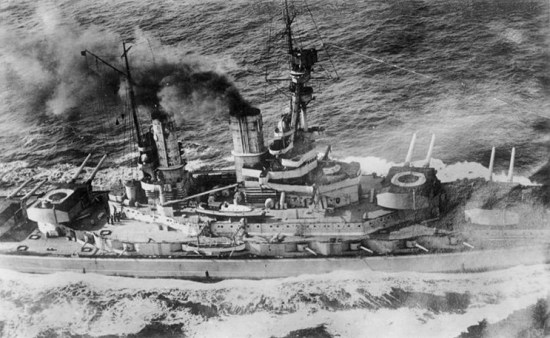
One hundred years ago, the German High Seas Fleet committed suicide. On June 21, 1919, the crews of seventy-four German warships attempted to scuttle their vessels in order to prevent the Allies from taking them. Over the course of a few hours, fifty-two modern warships sank. In the modern history of naval combat, there has never been an event as devastating as the self-destruction of the German fleet at Scapa Flow. The scuttling immediately became legendary, closing one chapter of German naval history and opening another…

Indeed, the Germans had prepped the ships for scuttling over the previous several months, removing doors and taking other steps to reduce watertight integrity. They waited for motive and opportunity. As the Paris Peace Conference dragged on, both the French and the Italians had made claims upon the fleet. As the deadline for signing the treaty approached, both the Germans and the British made their preparations, the latter to seize the ships and the former to scuttle them.

On June 21, a comedy of errors ensued. The signing of the treaty was postponed two days, although it is unclear how aware the German sailors were made of this fact. The British commander decided that the fabulous early summer weather offered a great opportunity for practice, and the bulk of the Grand Fleet left Scapa Flow for maneuvers on the morning of June 21. Only a few patrol and utility ships remained.

Admiral Ludwig von Reuter gave the order for scuttling, and every German ship obeyed. The British didn’t notice until around noon, when the battleship Friederich der Grosse began to list noticeably. At this point, the rest of the fleet raised the Imperial German Naval ensign, which the British had officially forbidden. At that point, the scuttling became a race between the water and the Royal Navy. The Grand Fleet, notified by radio of the sinking, began to return immediately. The few Royal Navy ships in attendance picked up survivors, but were unable to save very many of the sinking ships.

Why Did The German Warship Cross The Taiwan Straight?

To get to the other side? To get repaired?

Taiwan

No. To 1) show the world that it actually has a warship, 2) demonstrate that it can actually travel this far without sinking or being towed and 3) demonstrate Germany’s formidable military power. No, all three are true. You don’t have to pick just one. But remember folks, this is all a purely hypothetical construct.

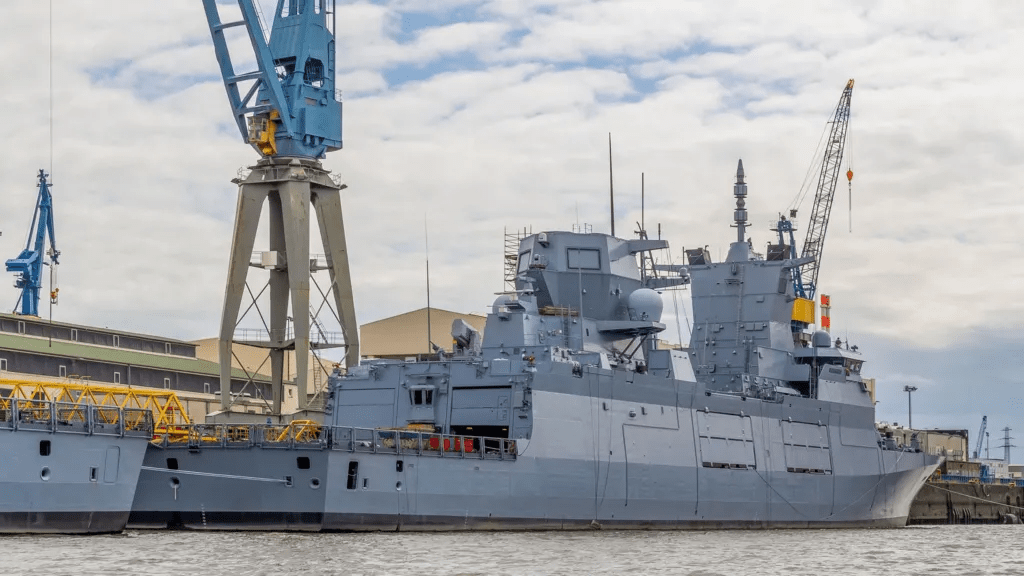
Why a German Warship Would Head To the Taiwan Strait – A naval mission to the region would be a low-risk way for Germany to show that it’s committed to alliances – and that it still has a navy.

No low-risk, no fun.