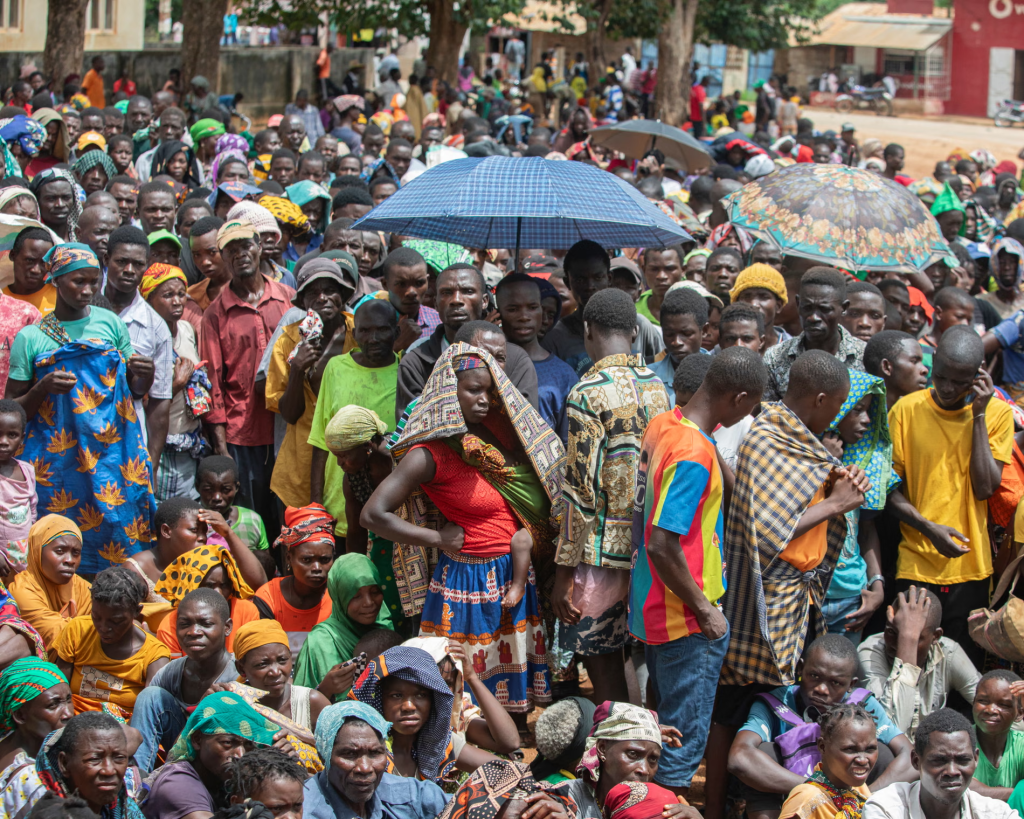
Sweden and Germany slash aid budgets to focus on Ukraine and defence spending – Echoing the dismantling of USAID, other countries are changing funding priorities and health and hunger programmes in Africa will lose out.
Germany slashes aid and development budget – Germany has cut its budget for international development by 8% and emergency aid has been halved. Aid agencies warn of drastic consequences.
The governing coalition of the conservatives (CDU/CSU) and the Social Democrats (SPD) has slashed the budget of the Federal Ministry for Economic Cooperation and Development (BMZ) by 8% to just under €10 billion ($11.47 billion).
Development Minister Reen Alabali Radovan (SPD) is clear about the impact of the cut: “My budget is down by around €910 million compared to the previous year. In view of increasing crises, Germany is investing far less in international cooperation than is actually urgently needed.”
That means to go bat shit crazy further into debt. Unnecessarily.
German taxpayers “contribute” a billion euros a year now. German politicians burn most of it. They have all the money they need. They just refuse to cut spending à la DOGE. This is a “conservative” planning to do this, mind you.
German parties agree on historic debt overhaul to revamp military and economy – The parties hoping to form Germany’s next government on Tuesday agreed to create a 500 billion euro infrastructure fund and overhaul borrowing rules in a tectonic spending shift to revamp the military and revive growth in Europe’s largest economy.
Friedrich Merz’s conservatives and the Social Democrats (SPD), who are in negotiations to form a coalition after a national election last month, will put their proposals to the German parliament next week.
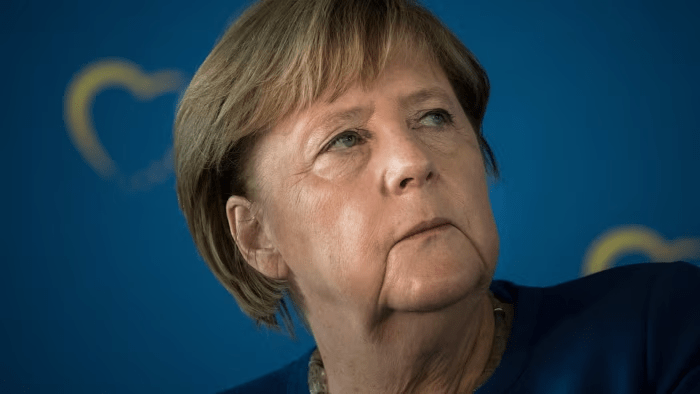
Relax Germany’s debt brake, says Angela Merkel – Former chancellor’s memoirs back reform of borrowing cap that she introduced into constitution.
Former chancellor Angela Merkel has called for Germany to relax its “debt brake”, in a sign of the growing political pressure to overhaul a borrowing cap that many economists say is too inflexible.
Merkel, who served as chancellor between 2005 and 2021 and introduced the debt brake into Germany’s constitution, made the proposal for change in her autobiography Freedom: Memories 1954-2021.
To “meet” their pledge of keeping defense spending at 2 percent of GDP?
Clever of the Germans. How refreshingly dishonest. And by that I mean openly dishonest.
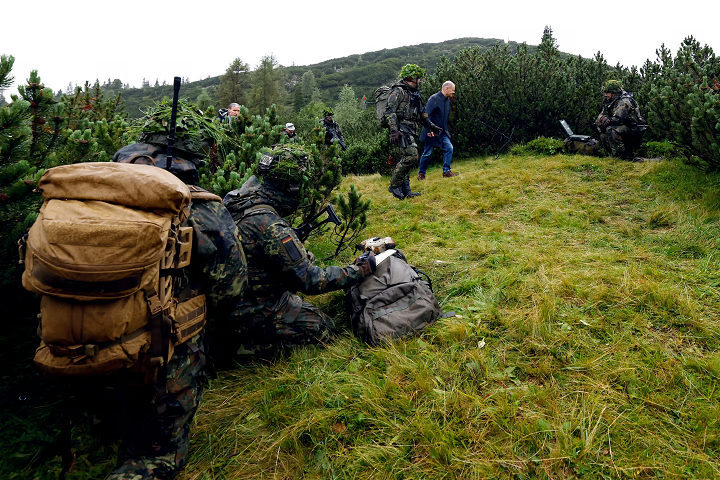
Berlin wants to pump defense spending numbers by including military mobility – Germany wants to keep defense spending at 2 percent of GDP, but budget constraints make that difficult.
The cash-strapped German government is looking at how it can include the financing of transport infrastructure used by the military into its defense spending to meet NATO’s spending target.
You know, a pipe dream. Like Germany’s renewable “energy turnaround” pipe dream. Only now the money has stopped coming down the pipe. Reality always sticks up its ugly little head sooner or later.
Germany Plans to Cut Renewable Subsidies as State Costs Soar – Nation to cut all payments next year when prices turn negative.
Payments will also be based on investment rather than output.
“When the government makes loans or subsidies to business, what it does is to tax successful private business in order to support unsuccessful private business.”
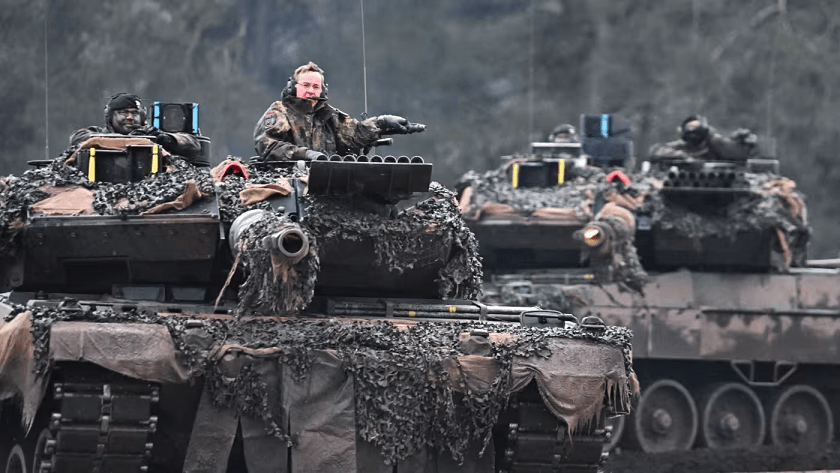
German defence minister deplores meagre military spending – Boris Pistorius’s criticism comes on eve of Nato summit in Washington.
German defence minister Boris Pistorius has criticised his government for approving less than a fifth of the budget increase he said was needed by Germany’s military, in stark remarks on the eve of a Nato summit in Washington.
You know, like when a government can’t burn the money it wants to burn because it already turned it to ashes?
Shortfalls could challenge Germany’s generosity – Germany has been one of the biggest spenders in the world on everything from social welfare to foreign aid. But national income has fallen and Germany’s government is dealing with a budget shortfall.
For example: Bauernproteste legen Städte und Autobahnen lahm means farmers’ protests paralyze cities and freeways.
The week of rage – What’s in store for us tomorrow?
Starting tomorrow, farmers all over Germany will be taking to the barricades to demonstrate against the government’s (subvention-cutting) policy. Expected are highway blockades, rallies, protest camps and rallies all over the country. The farmers’ association expects “tens of thousands of tractors” to take part.
Worried about how heated up the atmosphere is getting?
Then why did you heat it up in the first place? Subsidies are like heroin. You don’t take heroin away from a heroin addict without expecting a reaction, do you?
Protest against German vice-chancellor shocks political class – Angry farmers attempt to stop Robert Habeck disembarking from ferry…
Deputy chancellor and economy minister Robert Habeck was on his way back from the island of Hooge on Thursday night when he faced a group of about 250-300 farmers at Schlüttsiel harbour, near the border with Denmark. They had gathered to protest against a recent government decision to slash agricultural subsidies.
“What I’m really worried about is how heated up the atmosphere in the country is becoming,” he added. “The right to protest in Germany is a precious asset. Coercion and violence destroy this asset.”






 Observing Hermann