“Whenever you find yourself on the side of the majority, it is time to pause and reflect.”
Majority of Germans confident energy supply to remain secure through winter, survey shows.
Nearly two thirds of Germans believe that power supply in Europe’s biggest economy will remain secure over autumn and winter, a survey showed on Tuesday, as Berlin scrambles to compensate for falling Russian energy imports.
Or, if you prefer, no more German Alleingänge (going it alone)… After this one. Promise.
Tensions flare over the EU’s new irresponsible big spender: Germany – Countries say Berlin has a burden of responsibility not just to pour billions into its own economy — when German mistakes created the crisis.
Ten years ago, when Europe was in the throes of the eurozone crisis, Germany led the drive for austerity. Now the rest of Europe is fuming about Germany’s heavy spending on energy subsidies that they fear could exacerbate the Continent’s politically explosive rich-poor divide. It hardly helps these growing tensions that it was Berlin’s misguided dependence on Russian gas that helped trigger the bloc’s energy crisis in the first place.
Reality’s pointed little head, I mean. It will always get stuck up in your face, sooner or later.
Green utopia vs. the phenomenal world AKA the hard realities of life (that it’s cold in winter, for instance). Guess who wins?
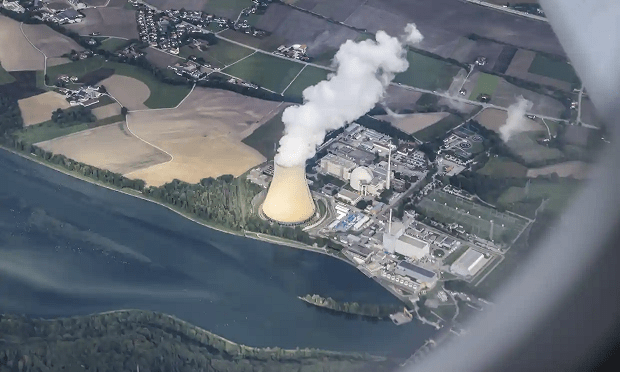
Germany delays exit from nuclear power to offset energy shortfall – Two nuclear plants’ lives extended as country copes with loss of Russian gas and shortage of French electricity.
French nuclear-generated electricity, I might add.
It’s just not going to be windy or sunny enough this Christmas.
Germans urged to switch off Christmas lights this year to cut energy usage as Russia keeps tight hold on Europe’s gas supply – Germans should turn off their Christmas lights this winter to save energy as Russia clamps down on gas flows to Europe, according to non-profit environmental organization, Deutsche Umwelthilfe.
German minister call for more funds for companies as debt debate intensifies – The German economy minister (Greens) on Thursday called for more government funds to support companies as a debate intensifies on whether Berlin should suspend its debt brake next year.
That means contradiction. This is a word that is in constant demand in Germany.
Germany’s Energy Crisis Plan Contradicts Itself – The German government is desperately trying to conserve gas—and subsidizing its use.
Germany’s self-imposed target is to cut back gas use by 20 percent, which is roughly the shortfall caused by Russia’s discontinuation of gas supplies amid its war in Ukraine. Yet…
The federal government has said it will set price caps on gas and electricity by the end of the year. So… Contrary to the greater goal of throttling back consumption, price caps and subsidies will have a positive effect on demand. By easing the burden on consumers, they dilute the price signal to save. “This increases the risk of brownouts and blackouts over the winter,” said Toby Couture of the energy consulting firm E3 Analytics, “as citizens and businesses consume more power than the system can effectively supply.”
Red alert for the German economy. After months of speculation, it is now official: Russia is turning off the gas tap on the Nord Stream 1 pipeline indefinitely. Germany is facing difficult times. Not only a cold winter is looming, but an industrial ice age.
German economy to shrink all winter as gas taps are turned off, Bundesbank says – The German economy is contracting already and will likely get worse over the winter months as gas consumption is cut or rationed, the country’s central bank said on Monday.
Once Russia turns off the supply. If it hasn’t already.
Germany takes control of Russian-owned refinery – The German subsidiary of Russian oil giant Rosneft was placed under trusteeship, giving Germany’s federal regulator control of a key source of fuel for Berlin.
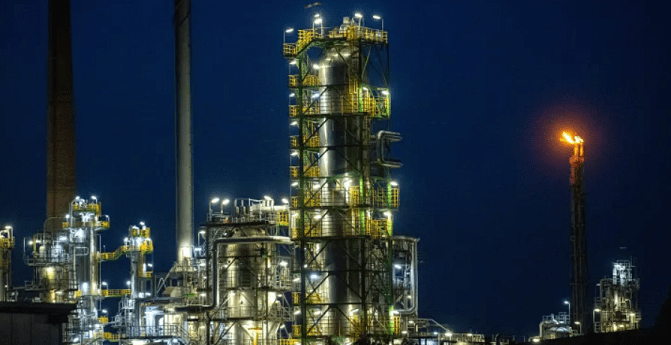
The German subsidiary of Russian oil giant Rosneft was placed under trusteeship on Friday, giving Germany’s federal regulator control of the PCK refinery in Schwedt, a key source of fuel for the city of Berlin…
Rosneft Deutschland accounts for about 12% of Germany’s oil processing capacity and is one of the largest oil processing companies in the country, the ministry said.
Sound familiar? Ever more “We’re from the government, and we’re here to help” from the people who created the problem in the first place.
Gas importer Uniper in nationalisation talks with German government – Terms under discussion include increasing state’s holding to 50% as pressure on supplies continues.
The German state took a 30% stake in the group in a rescue package in July, amounting to about €15bn. Credit lines were further extended by about €4bn last month but the situation has worsened since Russia severed gas supplies to Germany via the Nord Stream 1 pipeline, forcing Uniper to find alternatives.
Only without the allies flying everything in. What could possibly go wrong?
Scholz channels Berlin Airlift spirit to gird Germans for winter – Chancellor Olaf Scholz invoked the spirit of the Berlin Airlift on Tuesday to implore Germans that “the seemingly impossible can succeed”, urging them to brace for a tough winter and to rise to the challenge of a shift in energy supply away from Russian gas.
He spoke to business leaders at Tempelhof Airport, which was the focal point of the Airlift between 1948 and 1949, when Western forces flew hundreds of thousands of tonnes of supplies into divided Berlin after the Soviets blocked rail and street access to the city’s Western-occupied sectors.






 Observing Hermann