German of the day: Schneckentempo

That means moving at a snail’s pace.

But at least it’s still movement. In the right direction.

Germany drops opposition to nuclear power in rapprochement with France – Paris wins approval from Berlin to remove anti-nuclear bias in EU legislation, say officials.

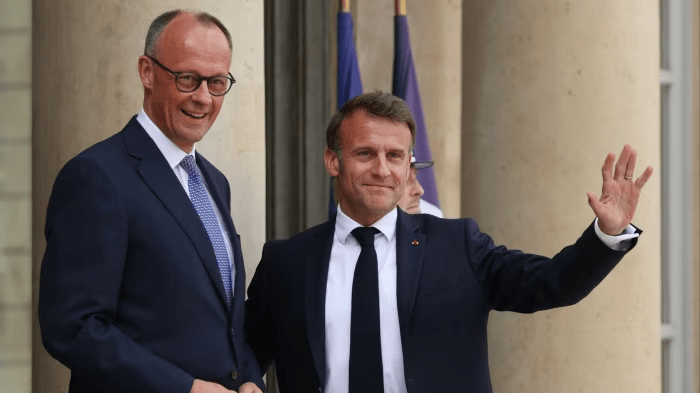
Germany has dropped its long-held opposition to nuclear power, in the first concrete sign of rapprochement with France by Berlin’s new government led by conservative Chancellor Friedrich Merz.

Berlin has signalled to Paris it will no longer block French efforts to ensure nuclear power is treated on par with renewable energy in EU legislation, according to French and German officials.

German of the day: Märchenwald

That means fairytale forest.

You know, the German Brothers Grimm kind. The kind Germans these days level for wind parks.

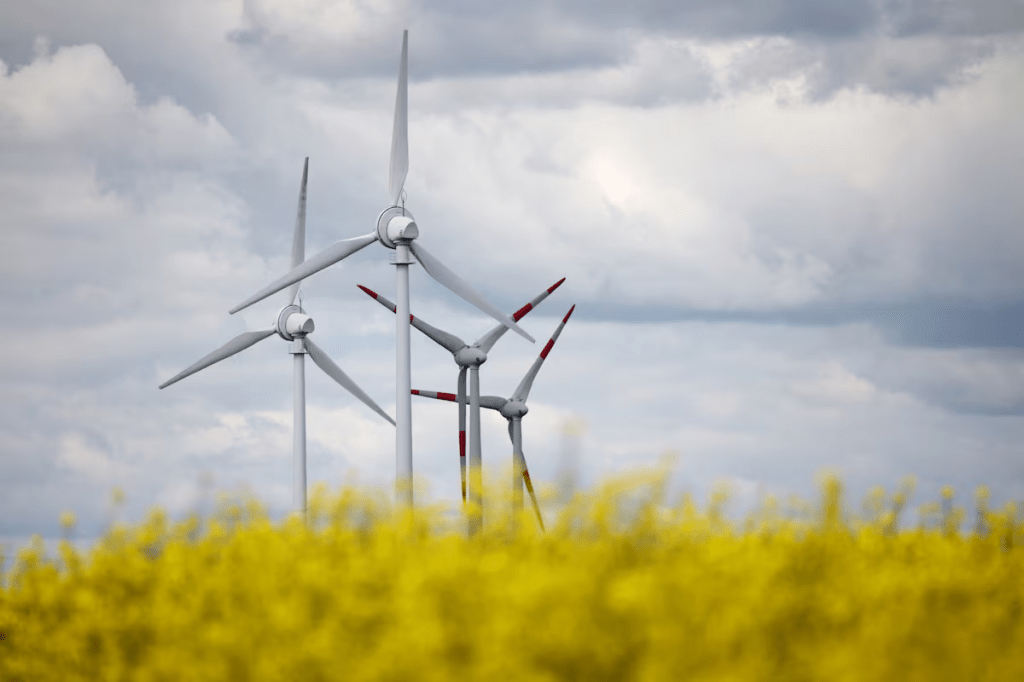
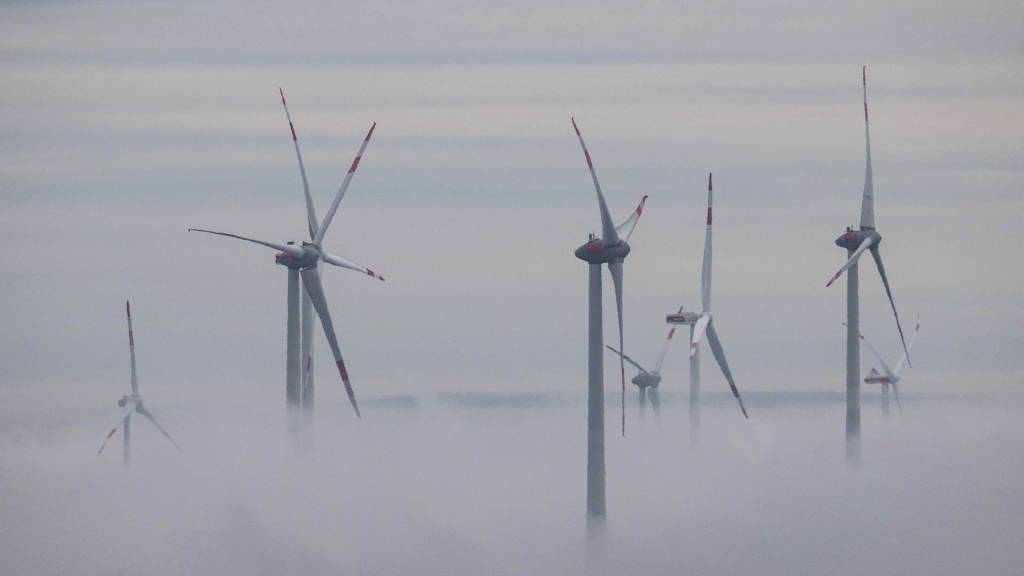
Plan for windfarm in German ‘fairytale forest’ stokes green energy culture war – Far right accused of misinformation over turbines at Reinhardswald, which has left local people divided.

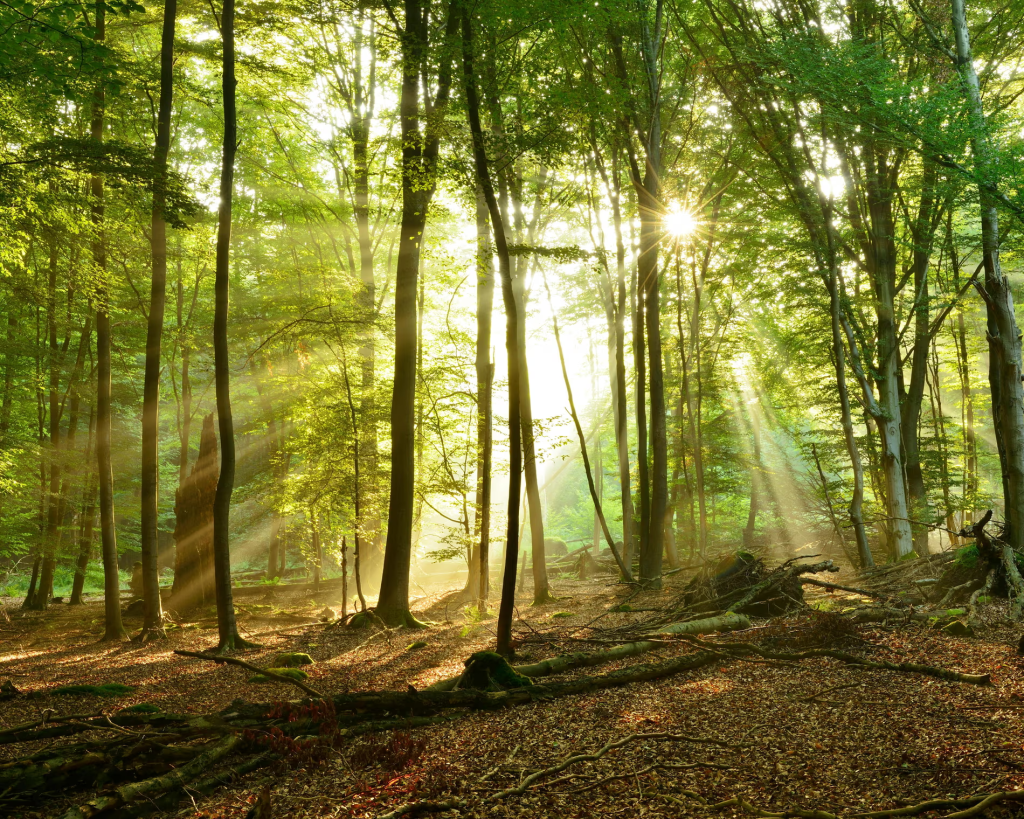
Deep in the woods that inspired the Brothers Grimm, past the tower from which Rapunzel threw down her hair and the castle in which Sleeping Beauty slumbered, lies a construction site that the far right has declared a crime against national soil and identity.

In this quiet corner of Germany’s “fairytale forest”, workers are clearing land and building access roads to erect 18 wind turbines.

Clean and lean

Very, very, lean.

But at least it’s clean. Whatever that should mean.

Clean energy sources generated the smallest amount of Germany’s electricity in over a decade so far in 2025, dealing a blow to the energy transition momentum of Europe’s largest economy.

Electricity generation from clean power sources totalled just under 80 terawatt hours (TWh) during the first four months of the year, according to data from energy think tank Ember.

That clean energy volume is down 16% from the same months in 2024 and is the lowest for that period since at least 2015.

You blew it, Germany

Because your wind energy blows.

When the Wind Didn’t Blow in Germany – A years-long renewables push leaves the economy hostage to the weather.

Germany has invested so many hundreds of billions of euros in its green energy transition over the years that no one can tally the precise amount. Yet the share of wind and solar power in the country’s energy mix in the first quarter of this year managed to fall—by a lot. There’s a lesson for the U.S. here.

Green energy is fun!

In Green Unicornland, maybe.

But in real countries like Germany where you have to pay real subsidies you can’t afford to pay anymore, that’s where the fun must eventually stop.

Germany’s Ballooning Subsidy Costs Show Challenge of Going Green – Subsidies are draining budget as green power appeal surges Shift may set tone for others contemplating cost of transition.

Germany is buckling under the weight of ballooning renewable energy subsidies, raising questions for governments across the world about how long they can afford to prop up green investments.

What happened?

The Greens happened.

Now it’s US-Amerika‘s turn (some call it The Banana Republic).

Germany went from envy of the world to the worst-performing major developed economy. What happened?

For most of this century, Germany racked up one economic success after another, dominating global markets for high-end products like luxury cars and industrial machinery, selling so much to the rest of the world that half the economy ran on exports.

Jobs were plentiful, the government’s financial coffers grew as other European countries drowned in debt, and books were written about what other countries could learn from Germany.

No longer. Now, Germany is the world’s worst-performing major developed economy, with both the International Monetary Fund and European Union expecting it to shrink this year.

German Of The Day: Staatshilfe

That means state support or government assistence. And that means, of course, taxpayer money.

And this is ususally needed, as in this case, after the state and/or government burning the taxpayer money got the company that needs it into this situation in the first place (see “renewable energy”).

Germany in bailout talks with Uniper amid gas crisis – Germany’s Uniper (UN01.DE) is in talks about a possible government bailout as the financial fallout from dwindling supplies of Russian gas reverberates across Europe, sending shares in the energy company sliding.

Back To The Future

Or is it more like escape to the future? Because your plans aren’t panning out now?

Germany unveils plans to accelerate green energy expansion – The package envisages green energy accounting for 80% of the power mix in Europe’s biggest economy by 2030, up from about 40% now and a previous target of 65%.

Sure. It’s easy to set future deadlines for things you haven’t been able to do yet. The tricky part is setting these deadlines for things you’ll never be able to do. Like creating a Renewable German Green Utopia. Here just a few fun facts that nobody here wants to look at:

  • Renewables in Germany contributed to electricity prices rising 50 percent since 2007. Electricity prices here are 45 percent higher than the European average and the highest in Europe. Now. And in that Brave New Future?
  • Wind and solar renewables are unreliable, requiring 100% backup (you need two expensive energy systems, coal and gas in this case because nuclear is still verboten). They are also energy-dilute, that is, not -dense, meaning they require huge tracts of land, transmission lines, mining, etc.
  • An example: If the U.S. was to generate all the energy it uses with renewables, 25% to 50% of all land in the U.S. would be needed. Today’s energy system needs just 0.5 percent of land in the U.S. (Smil, Power Density: A Key to Understanding Energy Sources and Uses).

In other words, running Germany on renewable energy ain’t never gonna happen.

Any Other Country Could

And would, of course. But Germany? Planet Germany? German Renewable Energy Disneyland itself? Do NOT place any bets on that one.

Explainer: Could Germany keep its nuclear plants running?

Of the 17 nuclear power plants Germany had at the time, only three remain in operation now: Isar 2, Emsland and Neckarwestheim 2, which are operated by German energy firms E.ON (EONGn.DE), RWE (RWEG.DE) and EnBW (EBKG.DE), respectively.

Under current plans, the plants, with combined capacity of 4,200 gigawatts (GW), will be shut down by the end of 2022.

Green Germans Can’t Enlighten The French

Thank goodness. They remain determined to not only keep using nuclear energy, but to ramp up their program.

The French, for their part, haven’t been able to make clear to the Germans a startling discovery they made a few years ago: Nuclear power is reliable because it produces day and night. The German renewables, well, aren’t, don’t and never will.

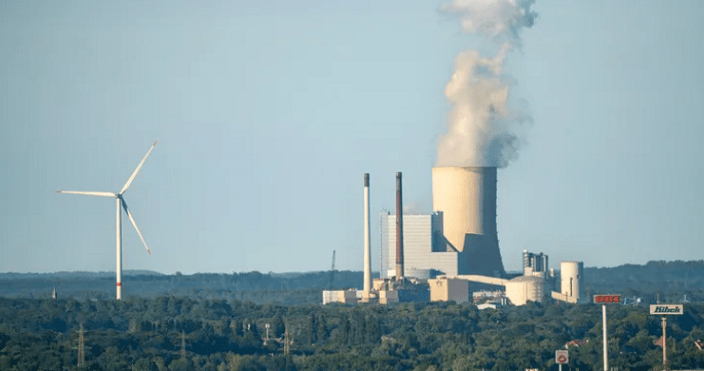
France ramps up nuclear power as Germany closes plants in the name of clean energy.

Chancellor Angela Merkel soon caved to public pressure and announced Germany would phase out all nuclear power within 10 years. Her government kept that promise. Germany’s new chancellor, Olaf Scholz, wants to speed up the phase-out of coal and eventually natural gas. He promises that by the end of this decade, 80% of Germany’s energy will be from renewables. And he doesn’t include nuclear in that category.