Censorship Is For Everyone

Just like Liebe.

Rammstein

Hey, you know the deal here in Germany: Anything that is not expressly allowed is strictly forbidden. Or at least very, very, very suspicious. You know, like free speech?

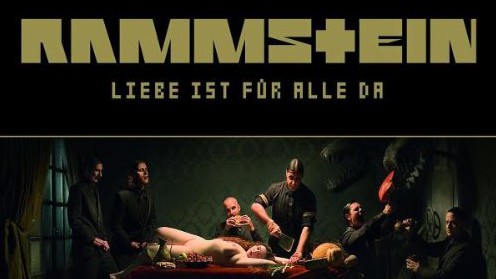
Rammstein has filed a lawsuit against Germany for having temporarily indexed the album “Liebe ist für alle da,” said a spokesperson of the Bonn Regional Court on Monday (04.04.2016). The rock band is seeking 66,000 euros (nearly $75,000) in damages.

In 2009, the Federal Department for Media Harmful to Young Persons, a German governmental agency responsible for listing works that could potentially harm youths, had decided that one of the songs of the album, “Ich tu dir weh,” as well as the pictures in the booklet accompanying the CD, were “brutalizing” and “immoral.” The entire album was indexed.

Once a work gets listed by the organization, it may not be advertised and can only be sold under strict conditions – limiting its potential success.

Ist alles, was nicht ausdrücklich verboten ist, erlaubt?

Reproduction Regulators Recommend Rigorous Reform

The logic appears to go like this: Germans will only have children if they are paid by the state to do so.

Children

That this money must first be taken from them by the state to only later be given back to them if they behave properly (improperly?) is the first oddity here but not really the issue at the moment – or at least not the one German politicians want to talk about. The problem now is that Germans aren’t having enough children (only 12% of families with children here have 3 or more). They are not following the German reproduction regulation logic like they are supposed to and are refusing to have large families despite regular increases to the child benefit or Kindergeld payments given here.

In an attempt to counteract what is now the German one-child-per-family-if-they-have-any-children-at-all tradition, some reproduction regulators are suggesting that families now be given higher payments for each successive child born. I’m sure this will work just great. Well, I’m kind of sure it might work maybe, I mean.

Of course more money will first have to be taken in from the Germans before some of it can be given back to some of them again but that’s never bothered legislators here before so why break with a tradition like that now?

“Die wirtschaftliche Situation von Familien verbessert sich trotz der staatlichen Unterstützung im Durchschnitt nicht.”

Good Privacy Protection Is Good Weapon Protection

When Germans register private weapons, they do it thoroughly. But by always keeping thorough privacy protection policies in mind, too, of course.

Gun

There are 550 various Waffenbehörden (weapons agencies) in the country and they must all now register their registered weapons at the Nationale Waffenregister (national firearmes registry) to boot. Sound well-registered? It should. It is.

Unfortunately, for those who advocate strict weapon registration policies here (99.9 percent of the population?), things aren’t going to plan.

First of all, those who advocate strict weapon registration (“the public”) want to KNOW who has the weapons, how many these owners have, etc. but the firearms registry legislation does not provide for this so they are Scheiße outta luck (law enforcement officials have access, of course).

The second problem is that the numbers now indicate (as they always have elsewhere) that registered weapons still kill people. Along with all of those other “bad” illegal unregistered weapons out there, too, I mean.

Wer wie viele Waffen hat, geht die Öffentlichkeit nichts an – “Bitte betrachten Sie unsere Ablehnung nicht als unhöfliches Vorgehen. Wir sehen leider keine Möglichkeiten, Ihrem aus öffentlichen Interesse erwachsendem Anliegen geeignet zu entsprechen.”

Debacle, Disaster, Fiasco…

Just a reminder here again: “There is no free lunch.” Honest.

Lunch

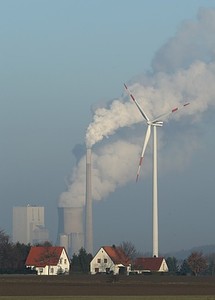
Government intervention at its best (again). Germany’s deliberate attempt to make its energy greener using price guarantees and mandatory quotas for green energy IS NOT WORKING.

Try and remember: The whole idea was to make renewable energy more competitive and, therefore, in the end, cheaper. Well this attempt is so not working right now that German consumers pay higher prices now than ever before and German industry is soon to follow. And this, even though there is actually an oversupply of power. In essence, an energy bubble has been created because Germany’s renewable energy producers get a guaranteed minimum price for what they produce (this now includes farmers and communities and anybody else who can still get into the ponzi scheme).

Imagine you have various consumers going to a grocery store. Some of them want to buy a bottle of beer for 1 USD. Others would like to buy a bottle of champagne for 30 USD. In normal life people would just pay 1 USD for the beer and bubble-lovers would pay 30 USD for champagne. The German energy market is different. People who want the champagne pay 2 USD for it and those who want beer have to pay 2 USD. It’s a good deal for the champagne drinkers, getting subsidized by the beer buyers.

…Perhaps the least fair part of the whole scheme is how these prices disproportionately impact low-income households, who are forced to subsidize green energy for richer families to support politicians’ green energy visions.