German Economy Grows by 0.3% in Q4, Stats Office Says – The German economy grew by 0.3% in the fourth quarter of 2025 compared with the previous quarter, the statistics office said on Wednesday, confirming its preliminary reading.
“The China shock is here,” the German Economic Institute declared last year. Indeed, 2025 will go down as the year in which it could no longer be denied. Germany’s trade deficit with China reached a record level of €87 billion—an increase of €20 billion compared to the previous year. And German exports to China continue to be in free fall. The United States, France, the Netherlands, Poland, and Italy have by now become more important export markets for Germany than China.
“German business lobby warns of unfair trade practices by China” vs. “China overtakes US to become Germany’s top trading partner.”
China has overtaken the US as Germany’s most important trading partner, according to figures released by Germany’s Federal Statistical Office (Destatis) on Friday.
The sum of exports and imports between the two countries last year totaled €251.8 billion ($296.6 billion), a 2.1% increase, according to Destatis.
China was Germany’s most important trading partner from 2016 all the way through to 2023. In 2024, the US briefly held the title.
German Chancellor Friedrich Merz is also set to visit China next week, where he is set to discuss trade and other topics.
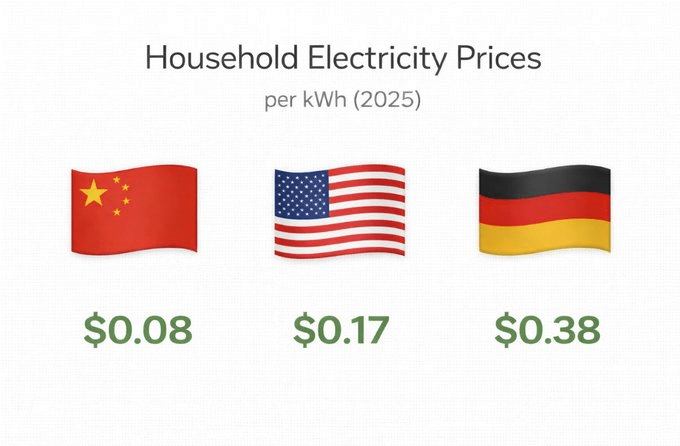
Could it be our ridiculously high energy costs? Nah.
Germany’s industrial engine sputters as Bosch axes 20,000 jobs – Rising unemployment rate piles pressure on Chancellor Friedrich Merz’s government.
German industrial giant Bosch on Friday confirmed plans to cut 20,000 jobs after profits nearly halved last year, underlining the mounting strain on Germany’s once-dominant manufacturing sector and increasing the pressure on politicians in Berlin to find a solution.
Official data released Friday also showed Germany’s unemployment rate, unadjusted for seasonal factors, rising to 6.6 percent — the highest level in twelve years. The number of unemployed people surpassed three million in January.
Merz issues business SOS in letter to allies – Chancellor Merz has told coalition politicians the situation in several key German businesses is “very critical.” He said the government must prioritize improving areas like energy and labor costs in 2026.
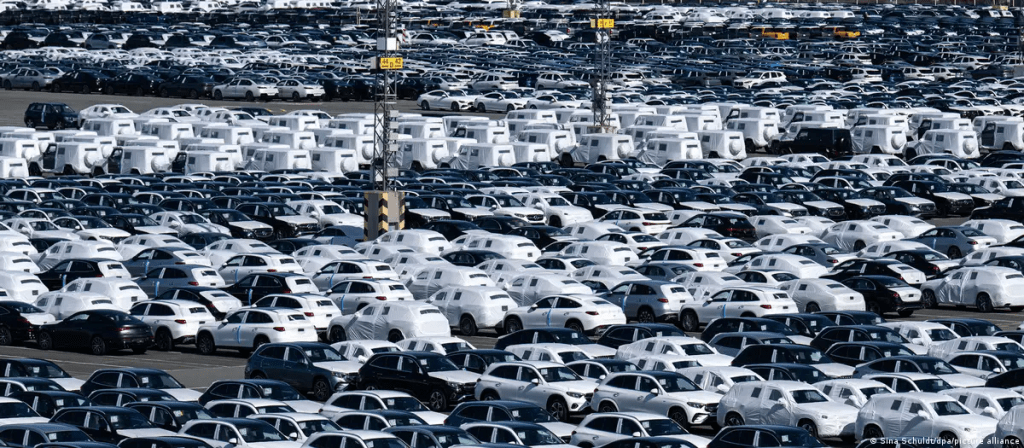
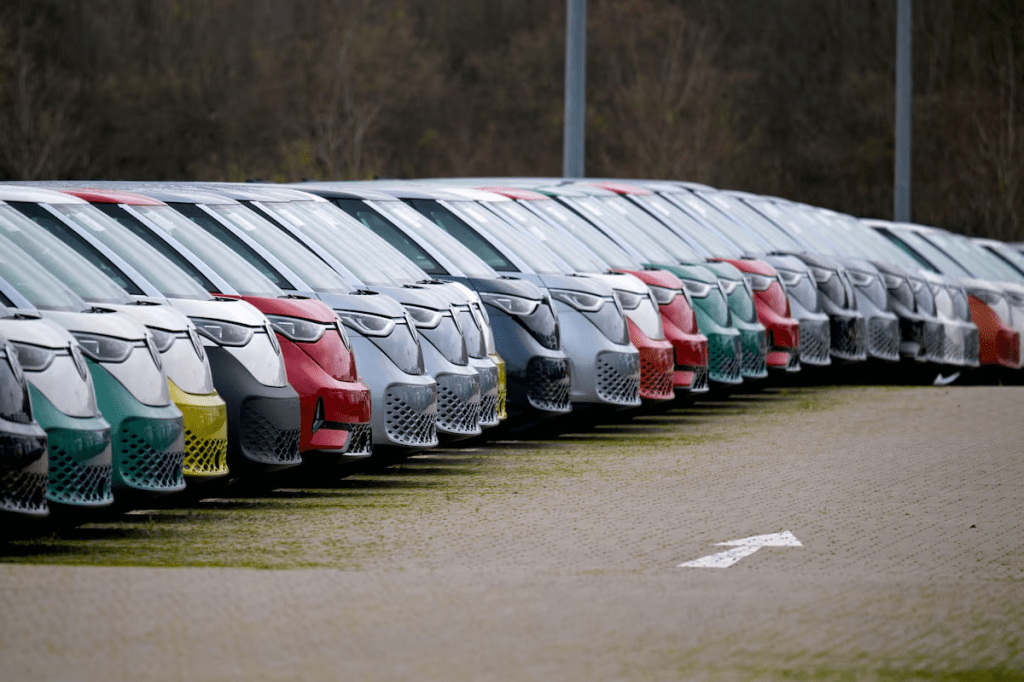
But “hold out” until you finally figure out that nobody wants them here, EVs.
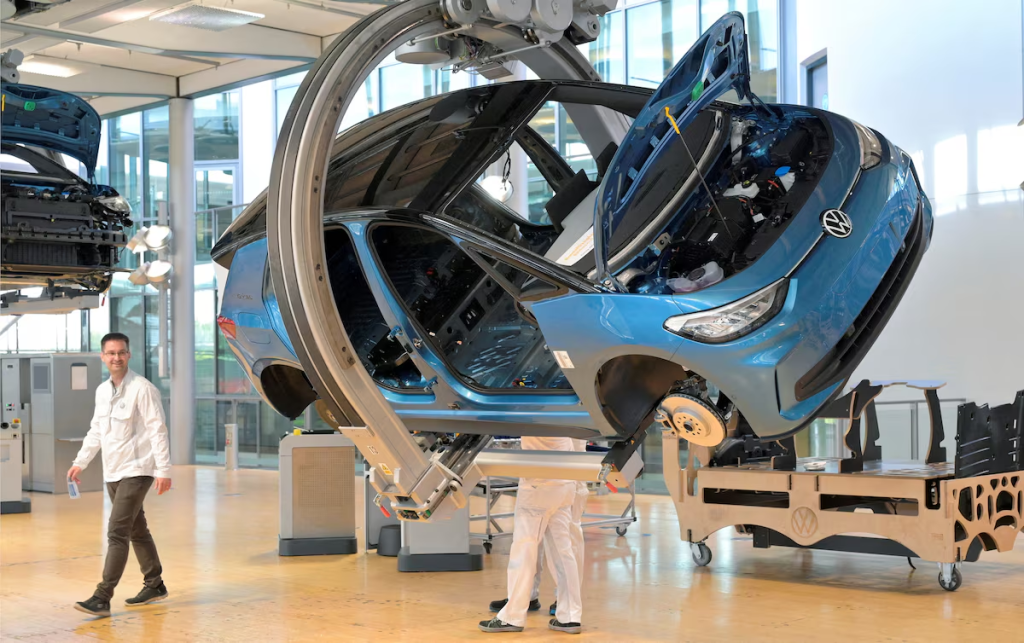
Then the German automobile industry as we knew it will be dead.
Germany holding out for ‘real boom’ on EVs despite strong 2025, EY says – Germany’s electric car market showed strong growth in 2025 but remains on unsteady footing, according to an EY analysis of registration data released on Tuesday.
The 43% year-on-year rise was largely due to a rebound in growth after a muted year in 2024, when the end of a federal subsidy for electric cars had weighed on demand, the consultancy said. The increase in 2025 compared to 2023 was just 4%.
“We haven’t seen a real boom yet – the hoped-for surge in e-mobility in Germany is proving to be much more protracted and difficult than expected,” said EY mobility specialist Constantin Gall.
German business groups expect job cuts in 2026 as economic crisis drags on – A majority of German business associations expect job cuts in 2026 as the country’s economic crisis persists, with industry hit hardest by global protectionism and weak exports, a survey by the German Economic Institute IW showed on Monday.
Of 46 business associations surveyed, 22 anticipate workforce reductions next year. Only nine expect to increase hiring and 15 foresee stable employment levels.
Sweden and Germany slash aid budgets to focus on Ukraine and defence spending – Echoing the dismantling of USAID, other countries are changing funding priorities and health and hunger programmes in Africa will lose out.
German business bankruptcies hit decade high amid downturn – Business bankruptcies have climbed to an 11-year high, with small firms hardest hit by Germany’s anemic growth. Economists warn of job losses but see tentative signs that the insolvency wave may be leveling off.
Don’t worry, in other words. Once everybody has gone bankrupt the bankruptcies will stop.
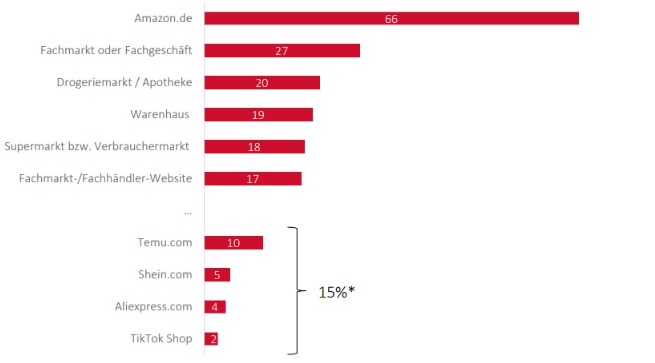
Two-thirds of Germans shop for gifts on Amazon – Amazon is the go-to place for Germans to do their Christmas shopping. Two-thirds of gift buyers shop at the American online retail giant during this holiday season, according to a new study. And 15 percent of consumers shop on one or more platforms from China, with their potential market share being even larger.






 Observing Hermann