Gas Price Already Unaffordable?

You won’t be able to pay for your heating this winter as it is? We’ll help out by adding an additional tax to that. Only we won’t call it a tax, of course. We’ll call it an Umlage. That means contribution, share, levy.

It’s what we do here in Green Germany. It’s for the greater good or something.

Germany Slaps Levy on Households to Spread Pain of Gas Surge – Government allows industry to pass on prices to consumers.

Germany’s government said households will face additional annual costs of about 290 euros ($296) to pay for natural gas as the burden of Russia’s squeeze on energy flows to Europe is redistributed.

German Of The Day: Mogelpackung

That means deceptive packaging (smaller amounts of a product for the same price). Or shrinkflation, if you prefer.

Forget Inflation. Shrinkflation Is Sparking Fury in Germany – German shoppers are getting increasingly angry at attempts to hike goods prices by stealth.

While so-called shrinkflation — where the cost of a product stays the same though its size declines — isn’t a new phenomenon, consumer-protection authorities in Europe’s top economy are being inundated by complaints.

German Of The Day: Ende Gelände

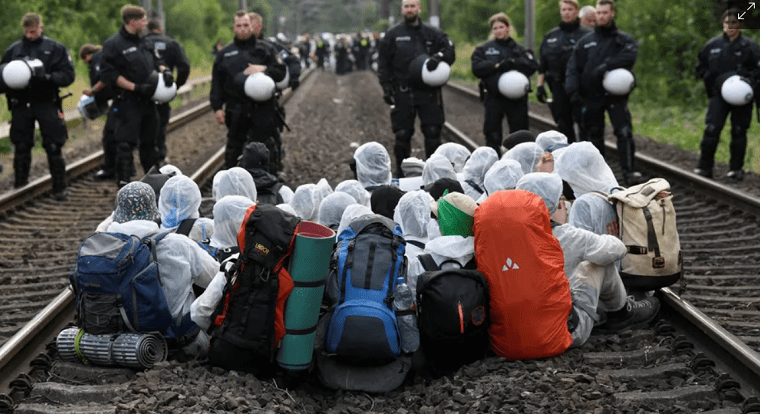
That means, literally, the end of the terrain. You know, as in the end of the line, end of the story, the buck stops here? That’s the name of that leftist climate activist group down there.

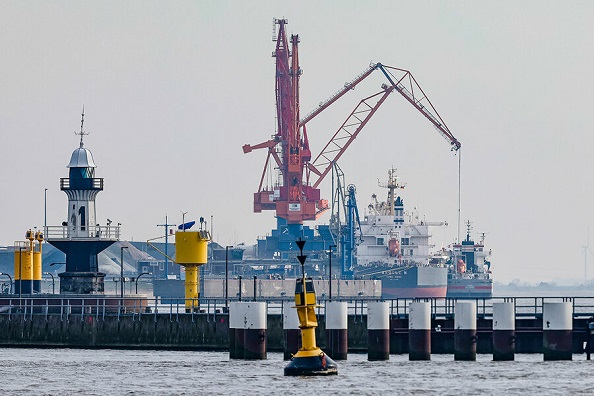
They’re trying to blockade the port of Hamburg (because of that bad LNG stuff coming from Amerika) and a coal-fired power plant in order to save the planet.

Now, I’m no climate activist expert here, but if you’re going to block a train shouldn’t you be on the tracks and not between them? Just saying. And they’re not even glued to anything yet. A little more quality control here, people.

German Of The Day: Schwaches Glied

That means weak link. I could also mean limp member, but let’s not go there.

Weak. You know. Like the German economy?

From Europe’s powerhouse to its weak link: Germany’s economy stutters – Economic model that depends on exports has been hit by a series of external shocks.

Germany is experiencing a squall of shocks that are darkening its economic outlook. Along with soaring inflation, persistent supply chain problems and weaker global demand are weighing heavily on its industrial sector.

“What’s most worrying is just how broad-based the weakness in the economy is,” said Clemens Fuest, head of the Ifo Institute, a think-tank. In previous downturns, services suffered but industry recovered, and vice versa. “But now we’re seeing weakness across the board.”

Germany Absolutely Desperate

The Germans are now even willing to accept sour crude (its sulfur content exceeds 0.5%) from US-Amerika ITSELF.

How impure or something.

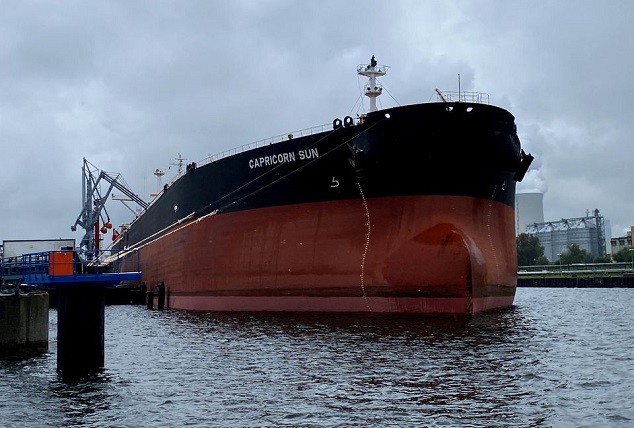
A tanker of U.S. sour crude was delivered at Germany’s port of Rostock last week for the first time ever, according to sources, analysts and vessel tracking data, as local refiners test alternatives to Russian oil.

I Couldn’t Agree More

German men footballers should be paid the same as German women footballers.

And the pay cut should be financed by, well, them.

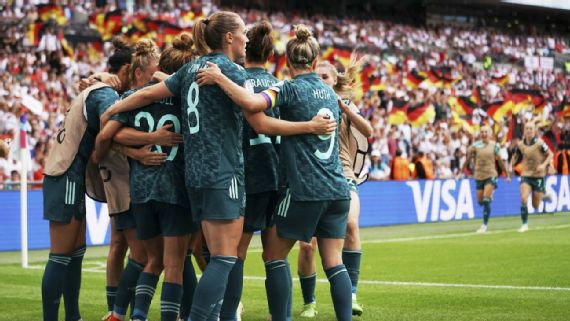
German chancellor to argue for equal pay for country’s footballers – German chancellor Olaf Scholz will meet the national FA director Oliver Bierhoff to argue for equal pay for the country’s female footballers, Scholz said at the women’s European Championship final on Sunday.

Germany were beaten 2-1 by England in the final at Wembley after Chloe Kelly scored an extra-time winner for the tournament hosts.

German Of The Day: Warmduscher

Literally, that means somebody who takes warm showers. Not ice cold like real men do. A wimp, in other words.

Thank goodness Vladimir Putin is in the process of finally changing all of that now.

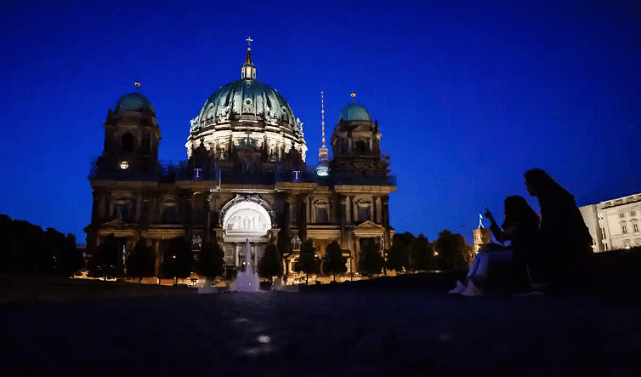
German cities impose cold showers and turn off lights amid Russian gas crisis – Hanover is first large city to impose energy-saving measures and Berlin switches off monument spotlights.

Cities in Germany are switching off spotlights on public monuments, turning off fountains, and imposing cold showers on municipal swimming pools and sports halls, as the country races to reduce its energy consumption in the face of a looming Russian gas crisis.

German Of The Day: Klassenbester

That means the best in class, the best pupil.

That’s how Germans like to see themselves. Aber das war einmal: But that was once upon a time.

Eurozone crisis in reverse as southern states scold Germany over gas – Analysis: Southern European countries were unwilling to sign up to homogenous 15% cut in gas.

A decade after its government admonished southern European states to “do their homework” of painful fiscal changes to end a sovereign debt crisis, Germany is slowly adapting to the humbling reality of being worst-in-class when it comes to reliance on Russian gas.

German Of The Day: “Schwelle zur Rezession”

That means cusp of recession, as in being on it.

Germany on cusp of recession, says ifo, after business sentiment falls – German business morale fell more than expected in July as high energy prices and impending gas shortages push Europe’s largest economy to the cusp of recession, a survey showed on Monday.

The Ifo institute said its business climax index was 88.6, its lowest level in more than two years. June had also seen an unexpected drop to a downwardly revised reading of 92.2.

Germany Also Wants Unicorns, Candy Hearts And Free Beer For All

Germany wants clean, reliable energy. But first, to survive winter…

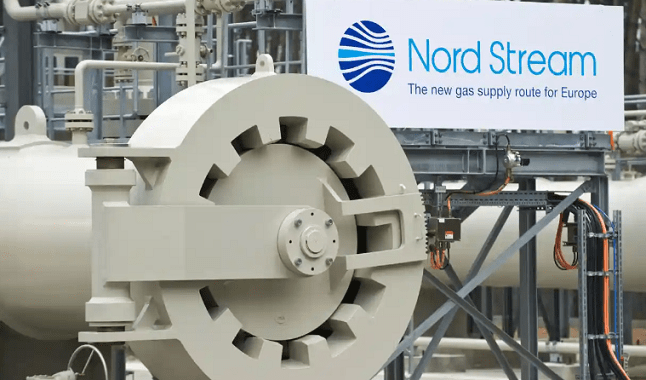
Germany is largely dependent on Russian energy, with half its natural gas and a third of its oil coming from that country. There’s currently no other way to quickly secure Europe’s supply of energy for heating, transportation, and industry, says the German government. But they’re trying. Leaders have decided to build liquefied natural gas terminals, which opens up new energy supplies but also raises a bevy of questions about Germany’s energy security.

Nuclear energy has been phased out, and renewables such as wind aren’t yet ready to pick up the slack, so lawmakers have decided that LNG is the answer to Germany’s energy crisis. They’ve announced plans to build two domestic LNG terminals, which re-gasify the supercooled form of natural gas that arrives on ships. Leasing floating terminals and securing supply via terminals elsewhere in Europe is also in the works. Essentially, Germany is trying to buy whatever it can, from wherever it can.