It doesn’t stink anymore either these days, for some reason.
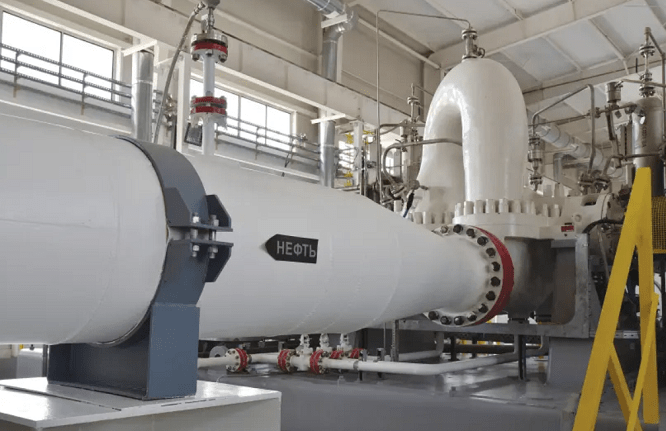
Germany finishes construction of its first LNG import terminal – Completion of project in just 200 days eases fears of gas shortage amid cut in Russian supplies.
Liquefied gas is to secure the energy supply in the coming years. The first plant has already been completed in Wilhelmshaven, but terminals are also likely to follow at other locations.
Germany in secret talks to buy Iranian oil amid Russian war sanctions – The chief economist for the partially state-owned bank LBBW in the southwestern German state of Baden-Württemberg announced that Germany is engaged in secret talks with the Islamic Republic of Iran to buy Iranian oil.
“Intensive talks are already being held behind the scenes with Venezuela, Iran or Algeria to cover Germany’s oil and gasoline needs.”
Probably not. But still. It’s starting to roll around a little in its sleep.
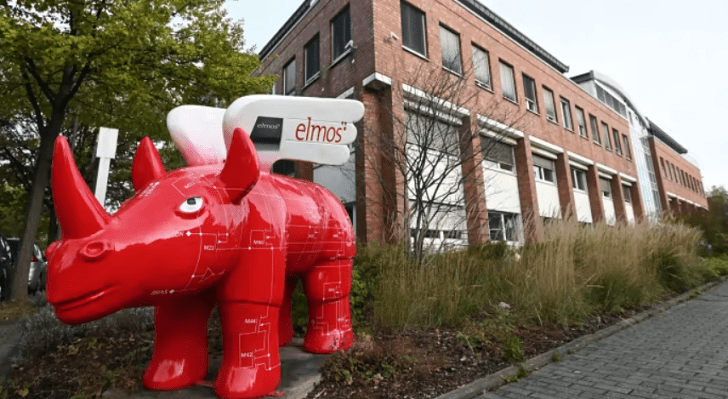
German economy ministry favours blocking Chinese takeover of Elmos’ chip production – Germany’s economy ministry has recommended to the cabinet that the government block the Chinese takeover of Elmos’ (ELGG.DE) chip factory, saying it would pose a threat to national security, ministry sources said on Tuesday.
Let’s let bygones be bygones. We’re friends again, right?
Now that we need to come groveling for your natural gas?
Germany keen to discuss natural gas pact with UK amid supply risk – Officials interested in deal that would allow two countries to bail each other out in event of shortages.
Such an agreement could be mutually beneficial for both London and Berlin, the German civil servant in charge of rationing in the case of a supply crisis told the Guardian in an interview.
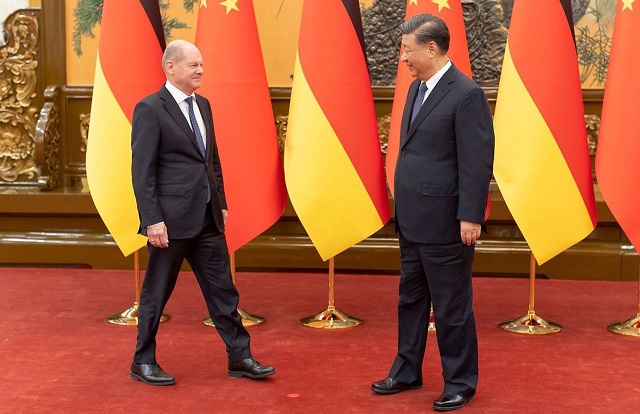
European Commissioner for Industry and the Internal Market Thierry Breton, a Frenchman, warned Scholz: “The time for naivety is over. We must be on guard.” The behaviour of the individual EU members towards China must be coordinated and not decided alone, “as China apparently prefers.” French President Emmanuel Macron suggested that he and Scholz should fly to China together at a later date to demonstrate European unity, a suggestion which Scholz ignored.
Christian Democratic Union (CDU) foreign policy expert Norbert Röttgen also attacked Scholz sharply. He accused him of damaging Germany’s foreign policy during his trip, “because it costs us our partners’ trust. It does not even strengthen our reputation with the Chinese, because they only react to strength and despise weakness.”
That’s a very popular political mantra here. You normally hear it right before Germany goes it alone again.
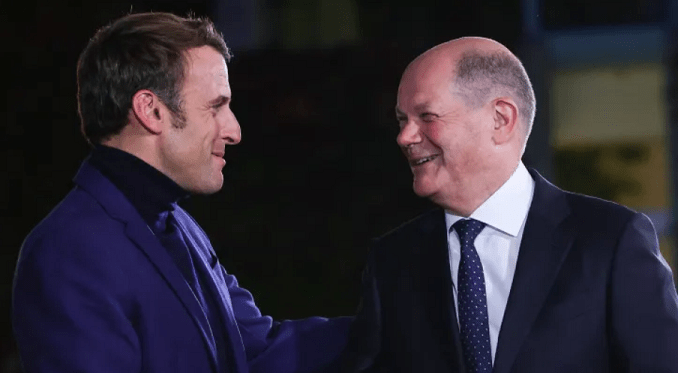
France and Germany’s relationship questioned as Scholz goes alone on policy – Germany has been criticized for approving a 200 billion euro ($200.2 billion) rescue package.
Fresh tensions between France and Germany are challenging their relationship at a time when their unity is critical for broader European policy in tackling the energy crisis.
The leaders of the two nations will meet in Paris on Wednesday, but this encounter almost got canceled.
Energy crisis: Quarter of German companies ‘plan to cut jobs’ – In order to tackle rising energy prices, a quarter of German companies revealed in a new survey that they planned to cut jobs, among other cost saving measures.
Around 25 percent of German companies plan to axe jobs as a cost saving measure, according to a survey of 1,080 German firms led by the Munich-based Stiftung Familienunternehmen released on Monday.
Germany’s Continued Illusions About China and Russia – Berlin’s pursuit of economic and political ties with Beijing and Moscow has created dangerous dependencies. A change in strategy would benefit both Germany and the EU
Over the years, these two authoritarian regimes embedded themselves in the German economy and ingratiated themselves with the elites. Such developments prevented the EU from forging a coherent, critical strategy toward both Moscow and Beijing.
Thank God. The Germans are relieved. For a while there things were starting to look way too positive.
Post-Brexit-wise.
Positive trend in German exports to Britain no cause for optimism – DIHK.
German exports to Britain this year could grow for the first time since 2015, statstics office data showed, but the DIHK business association said the numbers did not mark a turn for the better, especially in light of Britain’s current turbulence.
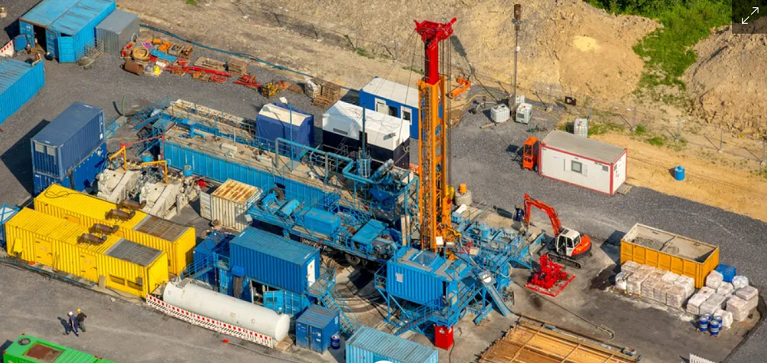
German of the day: Wir sollten Fracking ernsthaft in Erwägung ziehen. That means “We should seriously consider fracking.”
Reinhard Ploss was head of chip company Infineon, now he heads the German government’s Future Council. Here he talks about how Germany should respond to the energy crisis and why robots are the future.