As long as you can say you have the highest energy costs in Europe?
Or is it the highest energy costs in the world? I forget. Go, Greens!
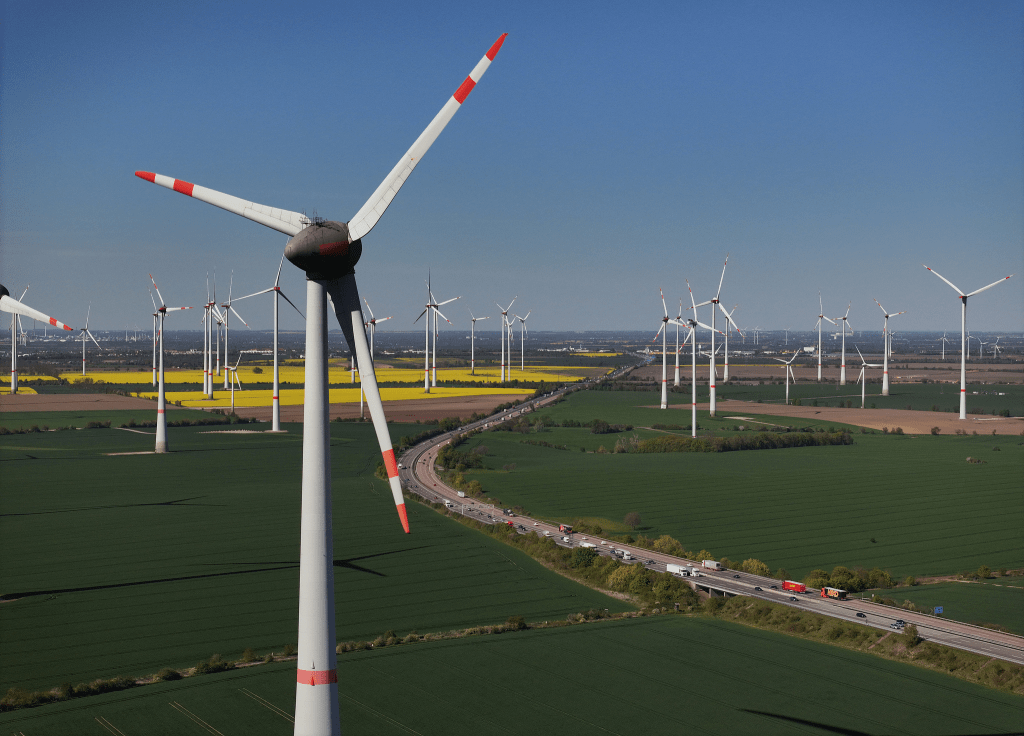
Germany could see power supply gap in 2030, regulator says – Germany’s Federal Network Agency on Wednesday warned that rare electricity shortfalls could occur as early as 2030 if the country’s energy transition stalls, though supply is otherwise expected to remain secure through 2035.
The Security of Supply Report, approved by the federal cabinet on Wednesday, highlights the risks should renewable expansion slow, new gas-fired power plants fail to materialize, and electricity demand not become sufficiently flexible.
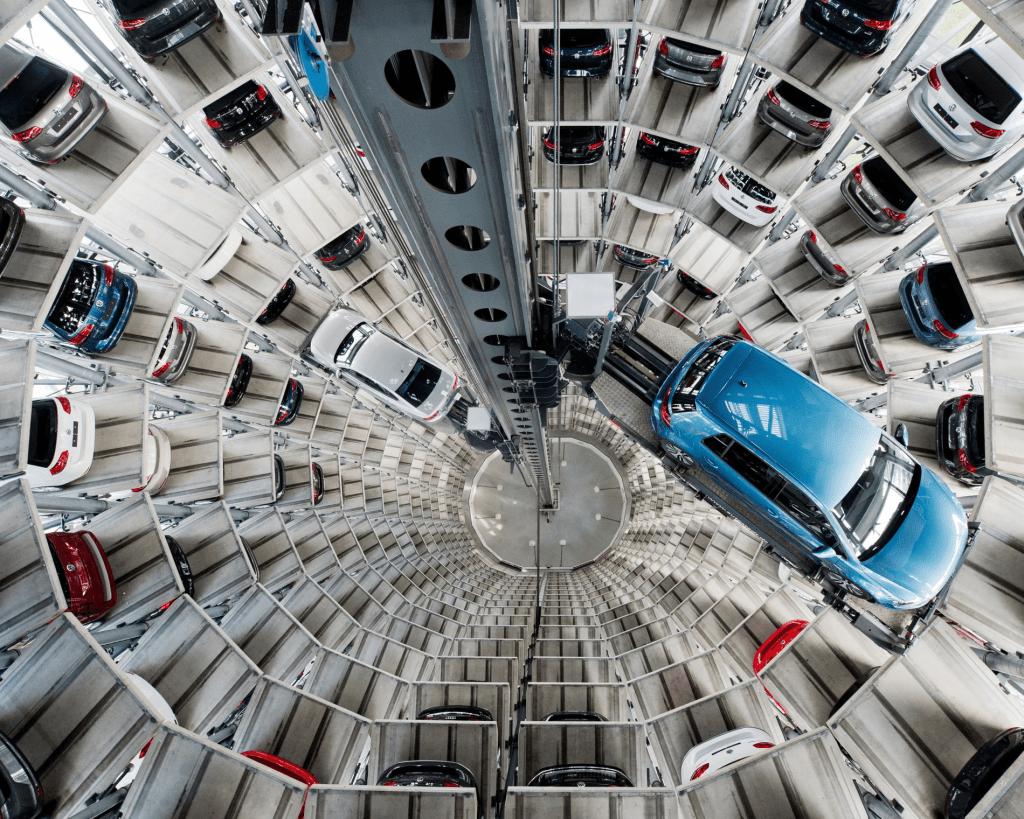
German car industry sheds 51,500 jobs in a year – The dip equates to almost 7% of the total workforce in the German auto sector. Faltering exports to China and the US play a role, as new tariffs raise barriers to entry in both these core markets.
“The US and China are currently the cause of major concerns.”
They all run out of other people’s money eventually.
German welfare state ‘can no longer be financed’ — Merz. The German chancellor has called for a welfare reform, putting him on course for a possible clash with the SPD.
“The welfare state that we have today can no longer be financed with what we produce in the economy,” Merz said in the town of Osnabrück.
The coalition partners had already agreed to reforming the social insurance system, which covers health insurance, pensions and unemployment benefits, due to rising costs and gaps in the federal budget.
The chancellor acknowledged that making cuts to social welfare would not be easy for the center-left SPD, but called for the two parties to work together.
Germany updates: Economy shrinks more than expected – Europe’s largest economy has shrunk, with industrial production and construction weaker than first thought. Meanwhile, Berlin is being urged to recognize a Palestinian state.
The best part is that there are never any consequences… Right? Even when spending the money you don’t have is never actually spent.
Germany’s borrowing spree plans face a reality check – Investors would be wrong to overstate concerns about a debt surge by the country.
Germany has had an abrupt awakening on the need to increase defence spending. The country enjoyed an oversized peace dividend for years: before the Berlin Wall fell, west Germany spent almost 3 per cent of GDP on defence. In the three decades after 1993 that ratio dropped to around 1.2 per cent annually. Military capabilities fell commensurately.
Since Russia’s attack on Ukraine and the election of a US president given to venting misgivings about European allies, a hectic scramble has ensued to make up for lost time. As chancellor, Olaf Scholz declared a “Zeitenwende” (or historical turning point) and parliament approved a €100bn debt-financed special fund for defence spending…
Nevertheless, markets would be wrong to overstate the German debt surge. The government’s ambition will probably be thwarted when the plans get in contact with reality. Appropriating borrowing permission is much easier than actually spending it. Scholz’s military special fund is a case in point. Up to April, halfway through its life, only around a quarter of the money has been disbursed.
If the Chinese can’t displace the American workforce anymore, then they’ll displace another one (or two, or three…).
The China shock hits Germany – Trade with China displaced large parts of the American workforce in the 2000s, but Germany did not experience a similar shock at the time…
It’s a Volkssport (national pastime) here. Over-taxed Germans get even with the government any and every chance they get. See Schwarzarbeit.
German shadow economy booms amid high taxes and state aid – While Germany’s economy falters, the country is experiencing a rise in undeclared work. What role do taxes and generous state aid for the poor play in the surge?
German exporters don’t want US trade deal ‘at any price’, says trade group – The European Commission aims to reach a trade agreement outline with the U.S. in the coming days, ahead of the August 1 deadline set by President Donald Trump for broad tariff increases.
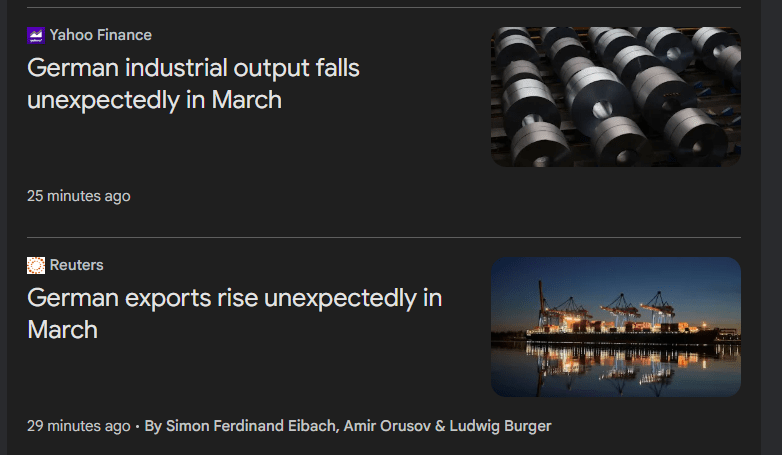
Exports to the United States dropped 7.7% in May month on month, following a 10.5% decline in April, data showed on Tuesday.
Merz ‘delusional’ over US sparing German cars in EU trade deal – Brussels has warned German chancellor not to expect UK-style carve-out for car sector in EU deal with Donald Trump.
Chancellor Friedrich Merz is “delusional” in his expectation that Germany’s car industry will be spared from US tariffs, according to EU officials involved in trade talks with the Trump administration.
Merz has been pressing the European Commission, which manages trade policy on behalf of the EU’s 27 member states, to sign a “framework” deal with Washington aping the US-UK agreement signed earlier this month, which included a special dispensation for cars.
But Brussels officials have privately told Berlin that such an arrangement would not be possible, as reducing German car imports is a big focus for US President Donald Trump, two people briefed on the discussions told the Financial Times.
“Debt and precarious stagnation in the EU and Germany” sounds like a good read too.
Europe faces mounting fiscal strain as Germany pivots toward debt-financed spending to maintain political support…
The public has now lost faith in traditional muddling through and demands drastic changes.
This report focuses on Europe, where the economic situation has worsened considerably in recent years. Several countries on the old continent have become more vulnerable to shocks, and imbalances have piled up. Moreover, leaders have demonstrated an inability or unwillingness to address structural problems, yet they are all too eager to haughtily break their electoral promises, swim with the tide and gather consensus through frantic lawmaking in the name of emergencies, fairness and social justice.