German Economy Grows by 0.3% in Q4, Stats Office Says – The German economy grew by 0.3% in the fourth quarter of 2025 compared with the previous quarter, the statistics office said on Wednesday, confirming its preliminary reading.
That means to shoot yourself in the foot, only in German it’s the knee.
With the highest energy prices in Europe (in the world?), what choice does German industry have but move? Go Greens.
German auto industry in ‘crisis’ as investments, jobs move abroad, lobby says – Germany’s standing as an automotive industrial hub risks being hollowed out as investments and jobs drift abroad, an industry association warned on Tuesday, calling on Berlin and Brussels to focus on measures that spur growth.
“Germany is experiencing a huge crisis as a business location,” VDA President Hildegard Mueller said.
A VDA survey of small- and medium-sized German enterprises across the auto supply chain, presented by Mueller on Tuesday, showed that 72% of companies plan to dial back their investments in Germany, either by moving them abroad (28%), postponing them (25%) or cancelling them completely (19%).
But “hold out” until you finally figure out that nobody wants them here, EVs.
Then the German automobile industry as we knew it will be dead.
Germany holding out for ‘real boom’ on EVs despite strong 2025, EY says – Germany’s electric car market showed strong growth in 2025 but remains on unsteady footing, according to an EY analysis of registration data released on Tuesday.
The 43% year-on-year rise was largely due to a rebound in growth after a muted year in 2024, when the end of a federal subsidy for electric cars had weighed on demand, the consultancy said. The increase in 2025 compared to 2023 was just 4%.
“We haven’t seen a real boom yet – the hoped-for surge in e-mobility in Germany is proving to be much more protracted and difficult than expected,” said EY mobility specialist Constantin Gall.
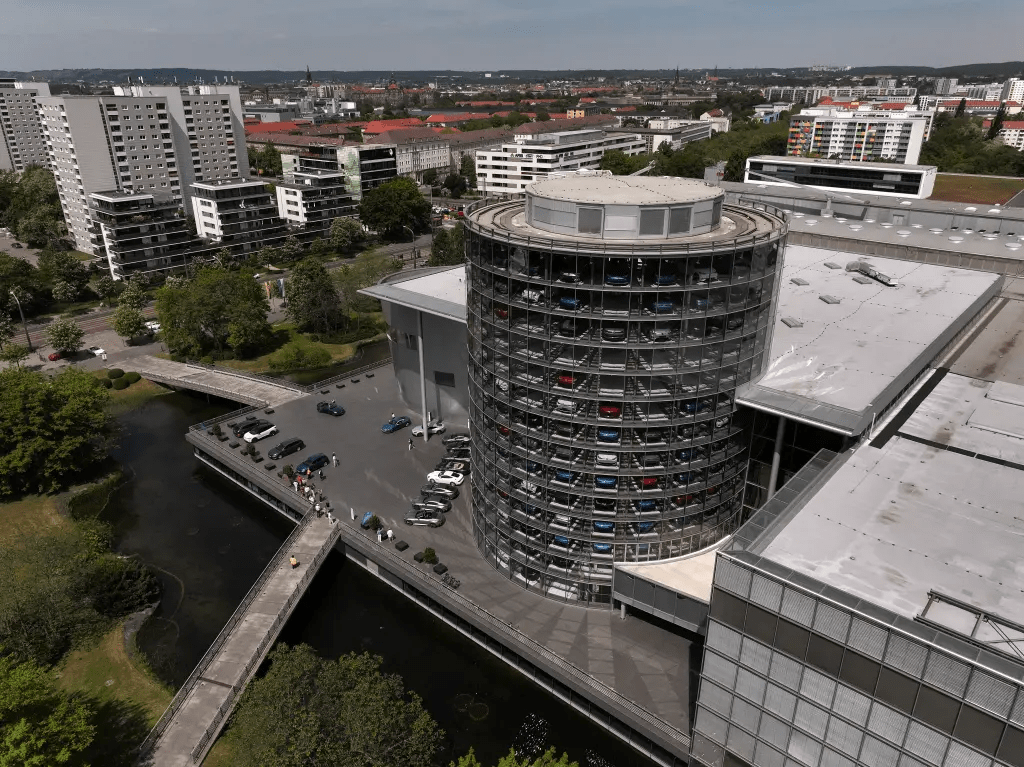
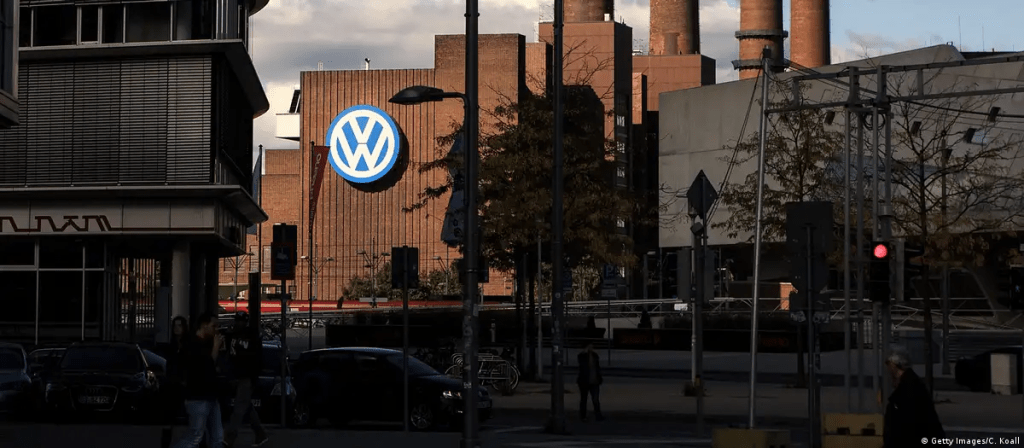
Volkswagen shutters a German plant for first time ever as Trump tariffs squeeze car giant – Volkswagen is ending vehicle production at its Dresden factory — the first time in the automaker’s 88-year history that it has closed a plant in its home country — as weakening demand and punishing US tariffs squeeze the German car giant.
The last vehicle rolled off the line Tuesday at the Dresden site, known as the “Transparent Factory” because of its glass-walled design, capping 24 years of production that began in 2001.
And voluntarily killing their number one industry in the process.
That’s why.
Why Germany’s auto capitals face financial crisis – The crisis in Germany’s revered car industry is taking a toll on its wealthiest regions — and hitting the pocketbooks of residents.
‘The car belongs in Berlin’: city backpedaling on bike-friendly policies, critics say – Car-critical measures have been slashed since the conservative CDU came into power in 2023, triggering protests and dividing communities.
My government is going to strangle the German car industry slowly, with great care.
And Pleasure.
Germany: Merz pledges to resist 2035 EU electric car switch – Chancellor Friedrich Merz said he would oppose the “hard cutoff” currently planned by the EU, aiming to stop registering new internal combustion engine cars by 2035. The goal was already under review and looking fragile.
Industrial giant Bosch shocks Germany with plans to cut 13,000 jobs – The Bosch group, one of Germany’s leading industrial players, has announced a far-reaching job cut programme. On 25 September the company said it would cut an additional 13,000 positions by 2030.
Germany’s Lufthansa To Cut 4,000 Jobs By 2030, Targetting Admin – Lufthansa set new financial targets for 2028-2030, including an adjusted operating margin of eight to 10 percent.
German car industry sheds 51,500 jobs in a year – The dip equates to almost 7% of the total workforce in the German auto sector. Faltering exports to China and the US play a role, as new tariffs raise barriers to entry in both these core markets.
“The US and China are currently the cause of major concerns.”
German top politicians’ cars exceed CO2 targets: study – If EU emissions targets for the car industry were applied to top German politicians’ official vehicles, the fleet would fail, according to a climate body’s new study, saying it was “emblematic” of German carmakers.


 Observing Hermann