And voluntarily killing their number one industry in the process.
That’s why.
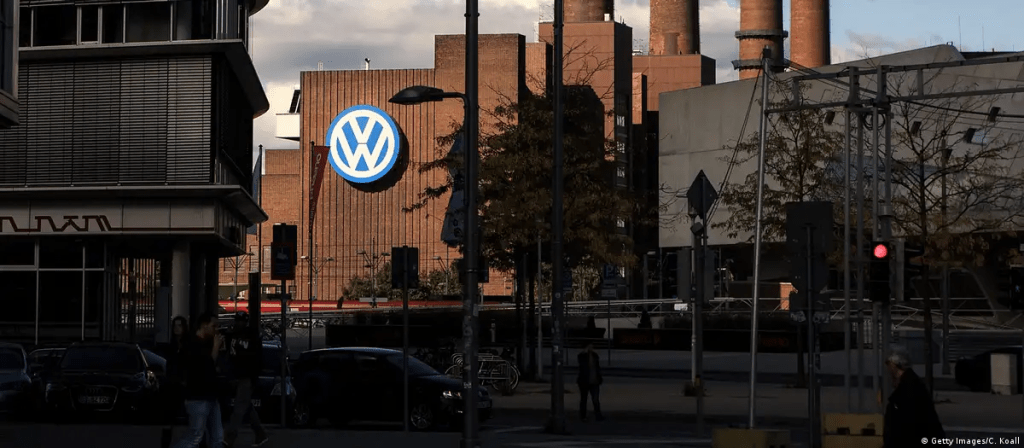
Why Germany’s auto capitals face financial crisis – The crisis in Germany’s revered car industry is taking a toll on its wealthiest regions — and hitting the pocketbooks of residents.
‘The car belongs in Berlin’: city backpedaling on bike-friendly policies, critics say – Car-critical measures have been slashed since the conservative CDU came into power in 2023, triggering protests and dividing communities.
My government is going to strangle the German car industry slowly, with great care.
And Pleasure.
Germany: Merz pledges to resist 2035 EU electric car switch – Chancellor Friedrich Merz said he would oppose the “hard cutoff” currently planned by the EU, aiming to stop registering new internal combustion engine cars by 2035. The goal was already under review and looking fragile.
Industrial giant Bosch shocks Germany with plans to cut 13,000 jobs – The Bosch group, one of Germany’s leading industrial players, has announced a far-reaching job cut programme. On 25 September the company said it would cut an additional 13,000 positions by 2030.
Germany’s Lufthansa To Cut 4,000 Jobs By 2030, Targetting Admin – Lufthansa set new financial targets for 2028-2030, including an adjusted operating margin of eight to 10 percent.
German car industry sheds 51,500 jobs in a year – The dip equates to almost 7% of the total workforce in the German auto sector. Faltering exports to China and the US play a role, as new tariffs raise barriers to entry in both these core markets.
“The US and China are currently the cause of major concerns.”
German top politicians’ cars exceed CO2 targets: study – If EU emissions targets for the car industry were applied to top German politicians’ official vehicles, the fleet would fail, according to a climate body’s new study, saying it was “emblematic” of German carmakers.
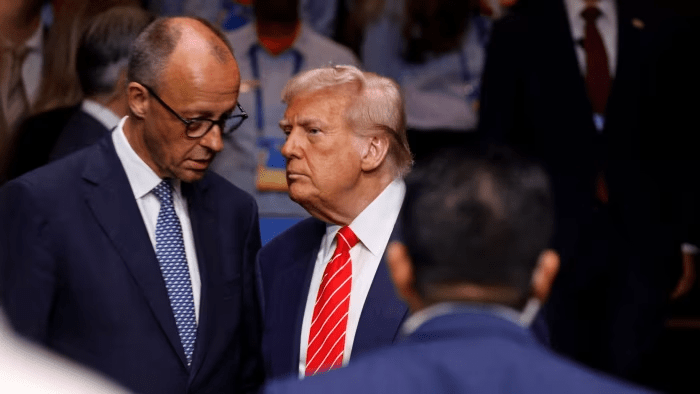
Merz ‘delusional’ over US sparing German cars in EU trade deal – Brussels has warned German chancellor not to expect UK-style carve-out for car sector in EU deal with Donald Trump.
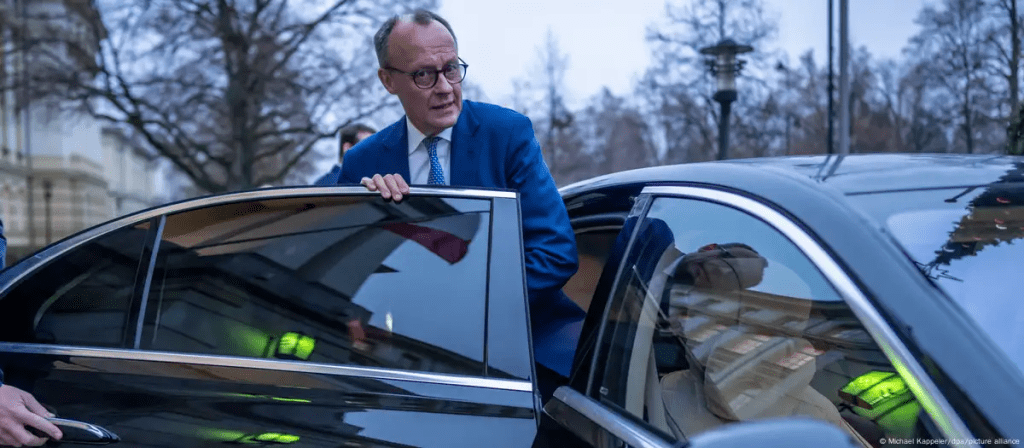
Chancellor Friedrich Merz is “delusional” in his expectation that Germany’s car industry will be spared from US tariffs, according to EU officials involved in trade talks with the Trump administration.
Merz has been pressing the European Commission, which manages trade policy on behalf of the EU’s 27 member states, to sign a “framework” deal with Washington aping the US-UK agreement signed earlier this month, which included a special dispensation for cars.
But Brussels officials have privately told Berlin that such an arrangement would not be possible, as reducing German car imports is a big focus for US President Donald Trump, two people briefed on the discussions told the Financial Times.
Then an agreement is reached and the tariffs are lowered. We could ask Elon but this doesn’t seem like rocket science to me.
Trump’s Tariffs Cost BMW $11 Million A Day, So Germans Want A Deal – European carmakers are losing millions daily to US tariffs despite American production bases.
Trade wars rarely end well for anyone involved, and when the crossfire hits the automotive industry, the damage adds up fast. Nowhere is that more evident than in Germany, where the ongoing tariff standoff is racking up some eye-watering costs. According to a new report, BMW is losing a staggering $11.3 (£8.4 / €10) million per day thanks to U.S. tariffs.
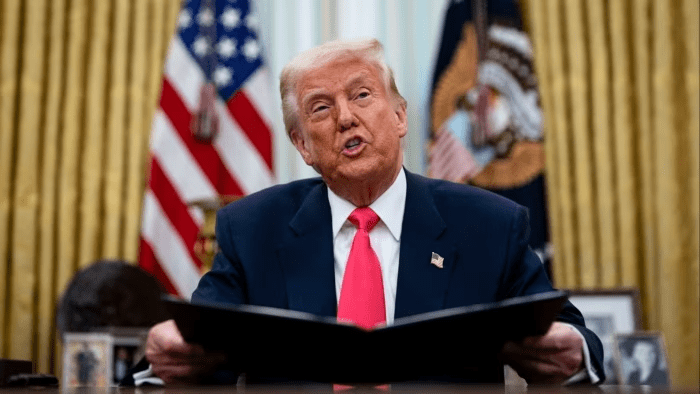
Germany leads defiance of Trump car tariffs, saying it ‘will not give in’ – President Donald Trump targets imported cars and car parts with a 25% tax in his latest tariffs.
Other major world economies have vowed to retaliate, with France’s president branding the move “a waste of time” and “incoherent”, Canada calling it a “direct attack”, and China accusing Washington of violating international trade rules.