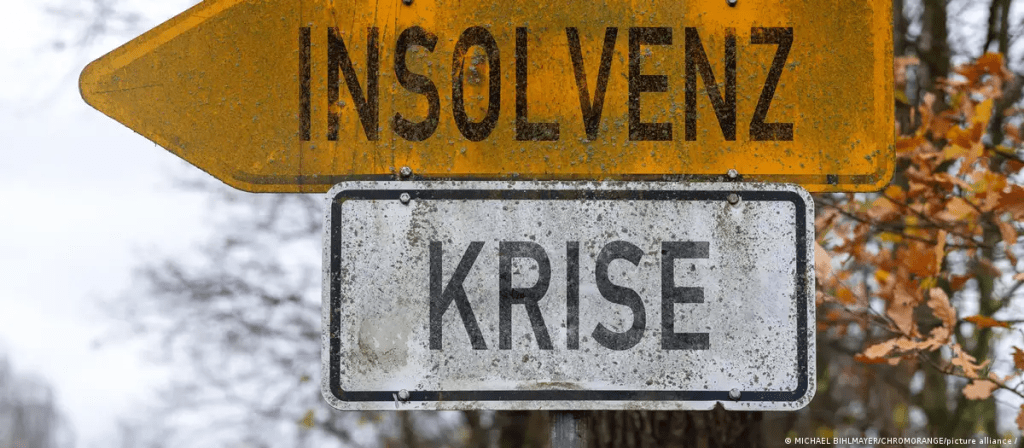
Germany news: Unemployment tops 3 million as industry slumps – Over three million people are currently unemployed in Germany, with 1.1 million drawing unemployment checks, authorities say.
Germany’s employment agency recorded a jump of 71,000 in monthly unemployment numbers, pushing the total to over 3 million.
Duh. More investment (taxpayer subsidies) will always be needed because wind and solar don’t deliver.
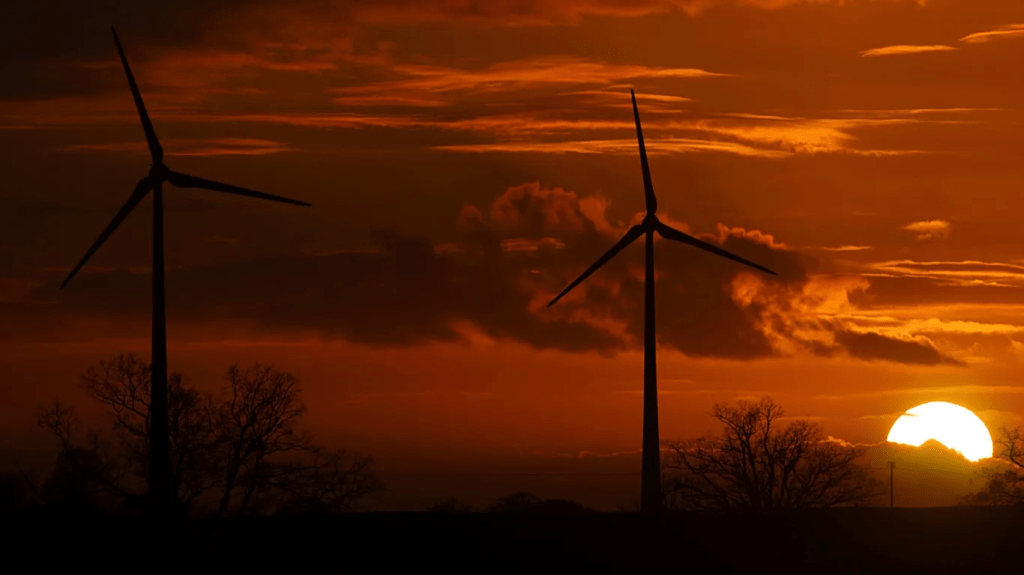
Why Germany keeps switching off its solar and wind farms – and three ways to stop the problem…
Europe’s solar and wind farms are actively choosing not to produce energy, as experts warn more investment is needed in storage and flexible technologies.
The great German own goal – In economics, as in football, they’ve lost their edge.
Can it be a coincidence? For three World Cups in a row, Germany has failed to make it to the last 16. For the 16 previous tournaments — from 1954 until 2014 — it never failed to reach the quarter finals. You can be unlucky once, or even twice, but three times? Especially when we see a similar pattern in the Euros, this failure can’t be explained away by the glorious randomness of football.
The year of the 2018 World Cup also marked a turning point for the German economy. Until then, it was considered one the most successful in the world, a reputation it had enjoyed almost without interruption since the Second World War. I spent a lot of time back then warning that Germany’s strategy was not sustainable — even if it superficially seemed to work. From 1945 to 2018, after all, Germany was Europe’s manufacturing powerhouse. The last eight years, though, have been marked by deindustrialisation, price spikes, and persistent economic disappointment…
After that, it will look again at nuclear-powered electricity.
It’s only a matter of time.
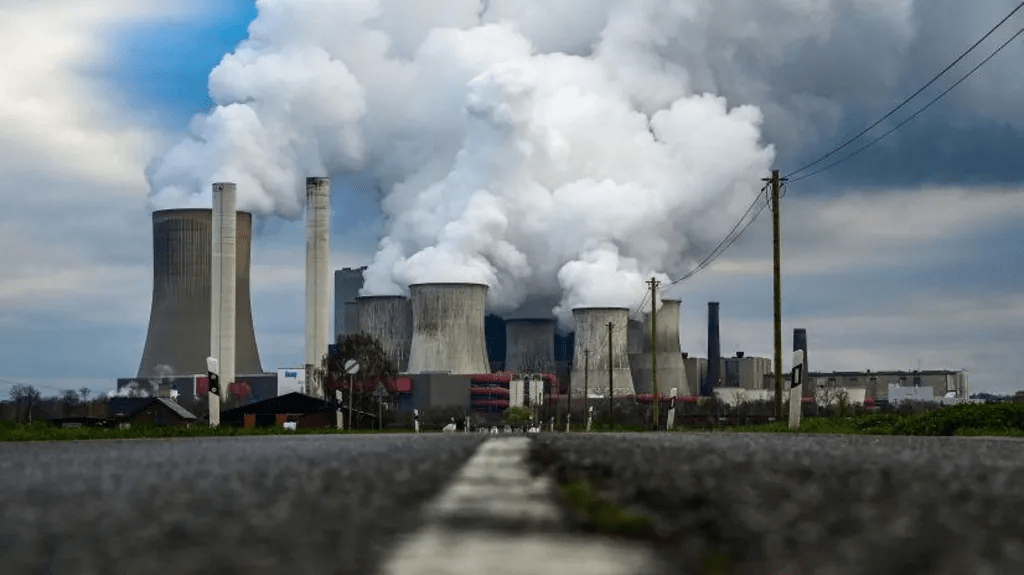
Is Germany looking again at coal-powered electricity?
Germany is the biggest user of coal for power generation in Europe, and the fourth largest in the world after China, India and the US. But it has pledged to stop using it altogether by 2038.
For lignite, the low-quality soft coal that is the most polluting, Germany has even brought the phase out forward to 2030.
Currently some 20% of German power generation comes from coal, but it wishes to end this as it focuses on growing wind and solar.
Germany’s poverty rate rises to record high, welfare group says – Germany’s poverty rate rose to a record high of 16.1% in 2025, leaving around 13.3 million people classified as poor, according to a report published on Tuesday by the Paritätische, an umbrella group for charitable organizations.
The figure was up from 15.5% a year earlier and marked the highest level since comparable records began, the association said, citing official data released earlier this year.
Germany’s Slow Industrial Suicide – The climate left is achieving its goal of de-industrialization.
If the road to economic hell is paved with good intentions, don’t expect to see many German cars driving on it. Green mandates and other regulations are killing jobs in the long-revered German auto industry, as a new report from an industry association warns.
Germany has lost some 100,000 auto-related jobs since 2019, says the German Association of the Automotive Industry, or VDA. Another 125,000, or one in six current jobs in the industry, are on track to disappear by 2035.
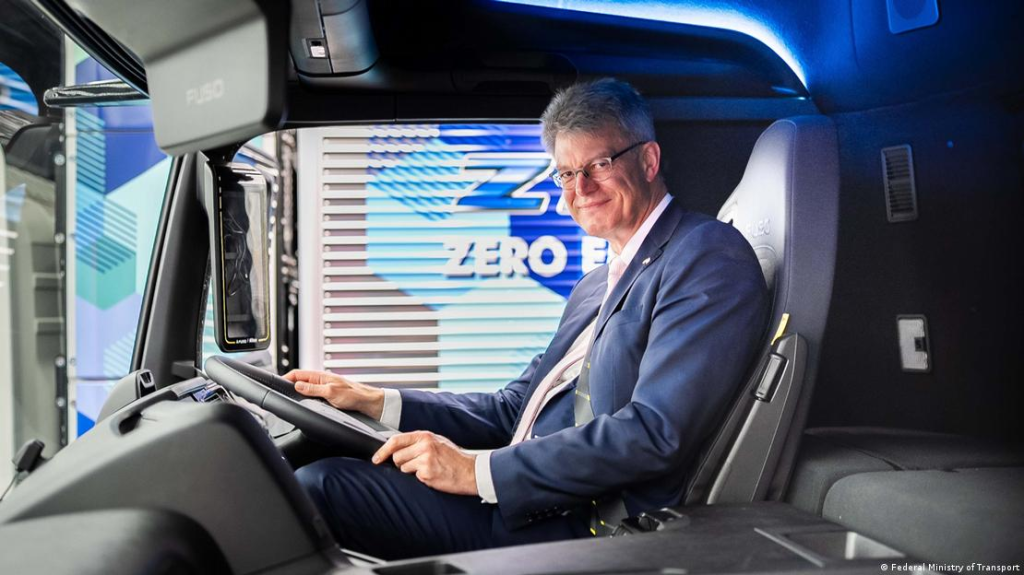
Germany and Japan test hydrogen future with BMW, Toyota cars – During a recent visit to Japan, Germany’s transport minister Patrick Schnieder toured hydrogen projects aimed at bringing the fuel into the mainstream…
Hydrogen remains niche fuel for now – Meanwhile, German and Japanese authorities are exploring ways to finance the hydrogen production boost that will help reduce price spikes. After all, at first green hydrogen will be significantly more expensive than fossil fuels. Siemens Energy and Toray want to improve electrolysis technology for green hydrogen, while Thyssenkrupp Nucera is eager to tap into the Japanese electrolysis market.
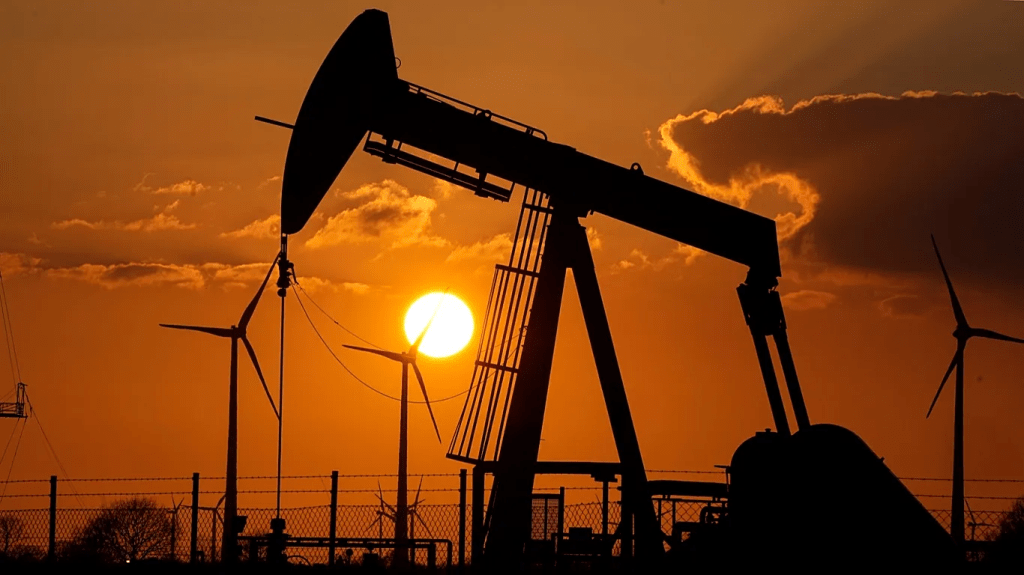
Germans have been cutting energy use for years. But this has been in direct response to Germany’s brain dead Green energy policies. Fun fact: They have the highest energy costs in Europe (in the world?). See the current German economic meltdown. “Current,” get it?
Survey: Two-thirds of Germans cut energy use in response to Iran war – Some two-thirds of German residents are consciously reducing their energy consumption in response to rising prices linked to the war with Iran, according to a survey published on Monday by comparison portal Verivox.
The representative poll found that 55% of respondents were trying to lower heating costs, while 52% were paying closer attention to electricity use and 56% said they switched off electronic devices instead of leaving them on standby.
As in Germany’s current coalition government under Friedrich Merz.
“Hardly any of the urgently needed structural reforms that were announced have been implemented. There is no overall plan for concrete reforms to promote growth and competitiveness. Germany’s position as a center of industry is under existential threat.”
Other than that though, the current German government is doing a great job.