“Lost its luster?”

It’s called being confronted with reality.

This is a classic German Green phenomenon. As soon as they’re given power, they promptly proceed to shoot themselves in the foot by proposing “solutions” to non-existent problems that “regular folks” simply can’t understand, much less afford. They’ve been given enough rope, in other words.

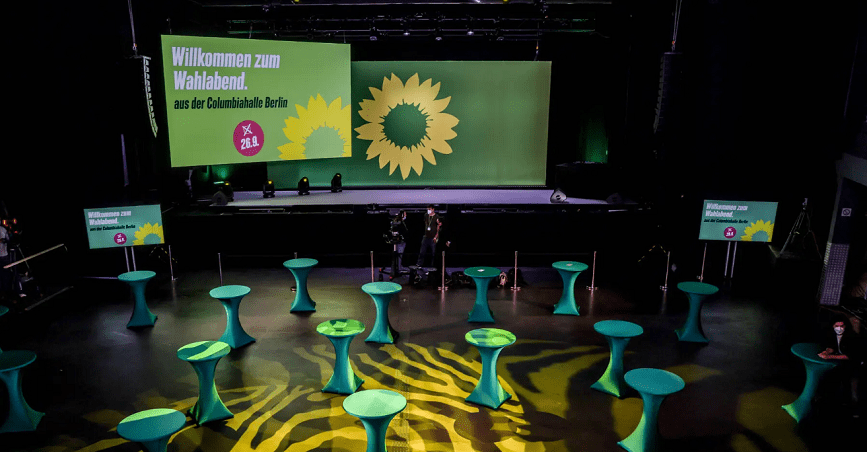
How Germany’s Greens Lost Their Luster – The party was riding high when it entered the government two years ago. Now it is stumbling, blamed for driving voters to the far right.

What a difference two years make. And a Russian invasion of Ukraine. And rising energy costs. And a host of missteps that some even within the party concede has stalled the Greens’ momentum.

Today the Greens are widely viewed as a drag on the government of the Social Democratic chancellor, Olaf Scholz, which one poll gave a mere 19 percent approval rating. The Greens have drawn withering attacks from even their own coalition partners. To their opponents, the Greens have overreached on their agenda and become the face of an out-of-touch environmental elitism that has alienated many voters, sending droves to the far right.

German Politicians Bewildered

Like, what are we supposed to do? Take the concerns of our fellow citizens seriously (see Migrant Madness, unaffordable energy, the housing crisis, inflation, Ukraine, etc.)?

That’s out of the question.

Germany bewildered about how to halt the rise of the AfD – The far right’s rise is sending shock waves through the country’s political landscape.

In Germany, news regarding the seemingly unstoppable rise of the right-wing Alternative for Germany (AfD) appears on an almost weekly basis. But nowadays this isn’t just true of the notoriously AfD-friendly states in east Germany, it’s also spreading further west.

In Saxony, Thuringia and Brandenburg, the AfD is currently running well above 30 percent. The party is gaining ground in the former West German states of Hesse and Bavaria as well, where it is expected to land at around 15 percent in this weekend’s elections.

Green Germany looks more black to me

Black as night when you turn off the light.

The Green obsession with doing without is in full nighttime bloom.

Germany passes law to make energy savings compulsory – Germany’s lower house of parliament on Thursday passed a bill to make saving energy compulsory in all economic sectors, a move intended to help fight climate change and curb use of imported fossil fuels.

The Energy Efficiency Act, introduced by the Greens-led economy ministry, includes regulation for energy savings in public buildings, industry and fast-growing data centres across Germany, with the goal of a 26.5% cut by 2030 from 2008.

Spurred by fears that persistently low Russian gas supplies could lead to shortages, the German government introduced some initial energy-saving measures last year, including banning heating for private swimming pools and encouraging people to work from home.

Don’t cry for me, Argentina

Actually, go ahead.

Go ahead and cry for me, Argentina. We can cry together, if you want.

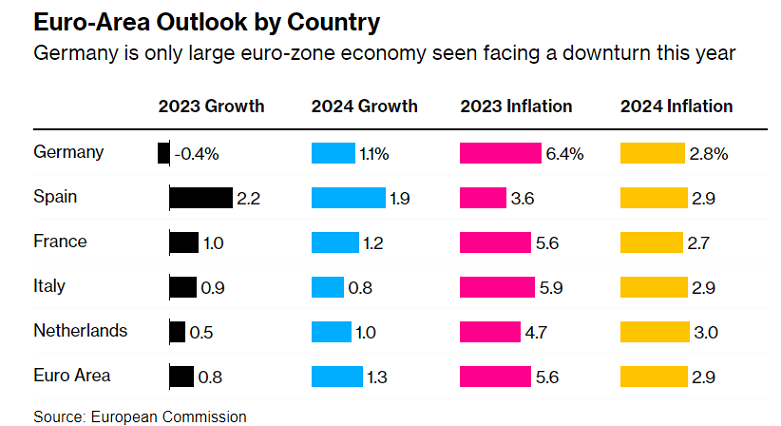
Germany Joins Argentina as Only G-20 Member Facing GDP Drop – Germany faces the only contraction in any Group of 20 economy aside from Argentina this year, according to the OECD, which cut its outlook through 2024.

The euro-zone country will suffer a 0.2% drop in gross domestic product in 2023 — down from a previous projection for stagnation, the Paris-based organization said in new forecasts published Tuesday. It will then grow only 0.9% in 2024, down from 1.3% anticipated in June.

Revive Germany by strangling it?

What a novel idea!

Let’s give it a try.

Scholz’s Dream of Climate Revolution to Revive Germany Is Dying – Chancellor’s ambition for economic miracle is floundering.

Coalition is reeling from months of infighting over green plan…

Another big brake on growth and investment is energy costs. Although lower than last year’s records, gas and power prices are still between two to three times the level compared with before the war in Ukraine.

It’s the energy, stupid

They may beat them in footbal (2-1 last night, without a manager) but…

German economic weakness belies France’s outperformance – Germany’s economic weakness is casting a flattering light on France’s relative resilience that belies the otherwise middling performance of the euro zone’s second-biggest economy, economists say…

Germany’s manufacturing-focused economy is struggling to adapt to being cutoff from cheap Russian gas and the rise of the electric vehicle, said Charles-Henri Colombier with the Rexecode economics think tank in Paris.

Germany’s gas-hungry chemical industry has seen production fall 18% from 2019 levels while in France it is only 8%, Colombier said. Meanwhile, German motor vehicle production is down 26% and only 6% in France.

We’re number one!

At saving the planet.

Too bad we’re destroying ourselves in the process.

Strike one: Germany’s nuclear phase-out.
Strike two: Its self-inflicted energy dependency on Russia.
Strike three: Still believing that renewable energy can run an industrialized country.

Green energy prices are killing German industry right before our very eyes.

Germany predicted to be the only major European economy to contract this year as recession lingers – The German economy has struggled in the wake of Russia’s invasion of Ukraine, with Berlin having to, very quickly, end years of energy dependency on the Kremlin. The International Monetary Fund said in July that Germany would likely contract by 0.3% this year.

The lack of Russian gas isn’t your problem, Germany

It was your willing dependency on it. And your systematic shutdown of reliable energy sources at home.

Green ideology got you here. Now sit back and enjoy it. And remember: You’re setting an example for the rest of the world.

Energy fears spur German industrials to seek investments abroad – Annual business survey finds concern over country’s future without Russian gas.

Nearly a third of German industrial companies are planning to boost production abroad rather than at home amid increasing concern over the country’s future without Russian gas, according to a closely watched annual survey.

The annual “Energy Transition Barometer” by the German Chamber of Commerce and Industry (DIHK) found that 32 per cent of companies surveyed favoured investment abroad over domestic expansion. The figure was double the 16 per cent in last year’s survey.

Zero the Hero

Our Green superhero.

Only Kryptonite (also green) can stop him – otherwise known as the real world.

Germany set to miss net zero by 2045 target as climate efforts falter – German goals to cut greenhouse emissions by 65% by 2030 are likely to be missed, meaning a longer-term net zero by a 2045 target is also in doubt, reports by government climate advisers and the Federal Environment Agency (UBA) show.

The European Union has sought to be a climate leader and Germany has set itself more ambitious targets than the bloc as a whole, but in many countries politics and the economic crisis have pushed the climate crisis down the agenda.

Russia’s Economy Growing More Than Germany’s

Which isn’t hard to do. Germany’s economy isn’t growing at all.

Let’s call it the German Green New Deal.

Germany expected to be only major economy not to grow this year – According to the latest figures from the International Monetary Fund, Germany’s GDP is forecast to drop 0.3% this year while other countries continue to grow.

The German economy is still failing to grow, figures showed on Friday, as the country that should be the industrial powerhouse for all of Europe struggles with high energy prices, rising borrowing costs and a lagging rebound from key trading partner China…

In Germany, the economy has been buffeted by several challenges. Above all, its long-term dependence on Russian natural gas to fuel industry backfired when the invasion of Ukraine led to the loss of most of Moscow’s supply and to higher costs for energy-intensive industries such as metals, glass, cars and fertilizer.