German Of The Day: Unermesslich

That means immeasurable. You know, like die Preise steigen ins Unermessliche. Prices are going through the roof.

German Power Price Soars, Hitting 700 Euros for First Time Ever – Europe’s benchmark electricity price jumped more than 25% on Monday to pass 700 euros per megawatt-hour for the first time. The level is about 14 times the seasonal average over the past five years.

European gas and power prices surged as panic over Russian supplies gripped markets and politicians warned citizens to brace for a tough winter ahead.

Benchmark gas settled at a record high, while German power surged to above 700 euros ($696) a megawatt-hour for the first time. Russia said it will stop its key Nord Stream gas pipeline for three days of repairs on Aug. 31, again raising concerns it won’t return after the work. Europe has been on tenterhooks about shipments through the link for weeks, with flows resuming only at very low levels after it was shut for works last month.

“The catastrophe is already there.”

German Of The Day: Ende Gelände

That means, literally, the end of the terrain. You know, as in the end of the line, end of the story, the buck stops here? That’s the name of that leftist climate activist group down there.

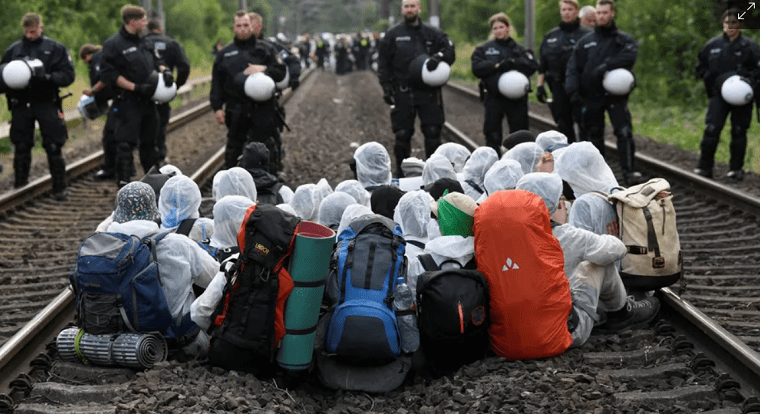
They’re trying to blockade the port of Hamburg (because of that bad LNG stuff coming from Amerika) and a coal-fired power plant in order to save the planet.

Now, I’m no climate activist expert here, but if you’re going to block a train shouldn’t you be on the tracks and not between them? Just saying. And they’re not even glued to anything yet. A little more quality control here, people.

Germany Finally Waking Up To Smell The Nuclear Coffee?

“It’s as if the pope were suddenly advocating the use of birth control pills.”

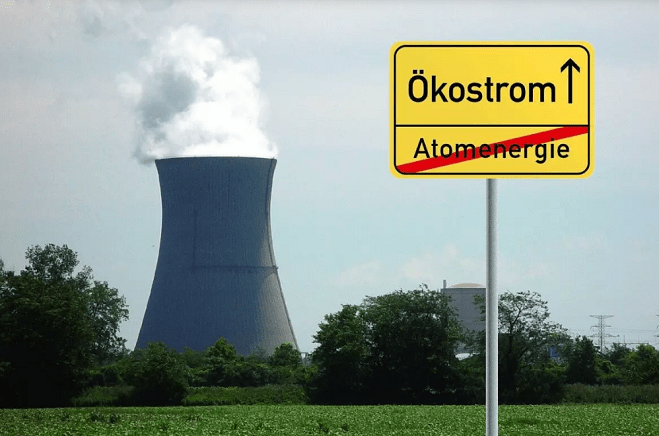
For years, despite bemusement of many outside Germany, the country seemed set on its nuclear exit course. This year, as Europe began its sanctions on Russian fossil fuels, Germany’s Green energy minister seemed more willing to turn on carbon-intensive coal plants rather than reopening the issue of nuclear power.

“This is painful for all of us.”

Yeah. Reality can be that way.

Social Unrest?

In Germany? Uh, the same Germany in which the Germans always do precisely whatever the Media Brain Police tell them to do?

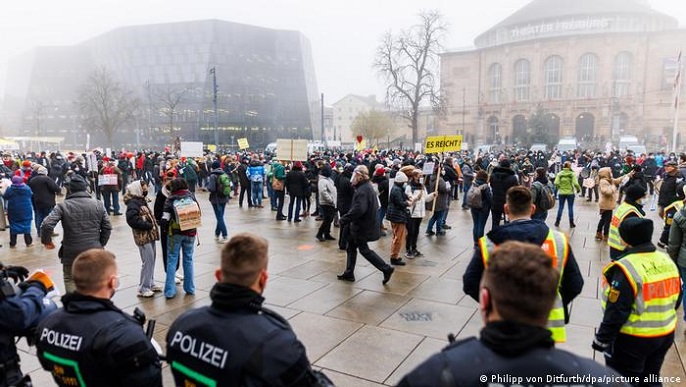
Germany braces for social unrest over energy prices – German officials have expressed fears that a worst-case winter of energy problems could prompt an extremist backlash. How bad things get may depend on how well they manage the crisis – in policy and perception.

German Of The Day: “Wir kriegen nichts mehr auf die Straße”

That means “we can’t get anybody out in the streets to protest anymore…” Said the puzzled anti-nuclear protester.

My, this certainly is mysterious. Somebody call Sherlock or Columbo or somebody to figure this out.

Are we having the phase-out of the phase-out yet?

Germany’s Nuclear Phase-Out Has Been a Disaster – The main justification for Germany’s nuclear shutdown is the risks associated with using nuclear energy. But these risks are exaggerated beyond measure.

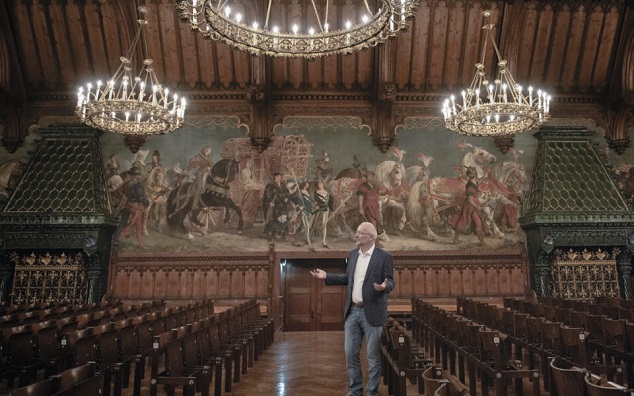
German scientists are warning that the national energy transition has pushed Germany into an energy shortage. “We demand an immediate stop to the nuclear phase-out,” wrote twenty renowned technological and economic scientists in the “Stuttgart Declaration,” which is being widely discussed in Germany. The continued operation of Germany’s nuclear power plants, they said, should be guaranteed “as the third climate protection pillar” alongside solar and wind power to secure Germany’s power supply and prosperity.

German Energy Policy Has Led To A Dead End

The Germans were just too dead set on renewable energy, I guess.

A brain dead policy, if you ask me. Better dead than red (I mean green), I always say. If you push this renewable energy nonsense too far you’ll always come in dead last, energy-wise. Not having even enough energy to cremate your dead is a dead giveaway for how this green utopian dream world of theirs can be seen for what it really is: Dead and buried.

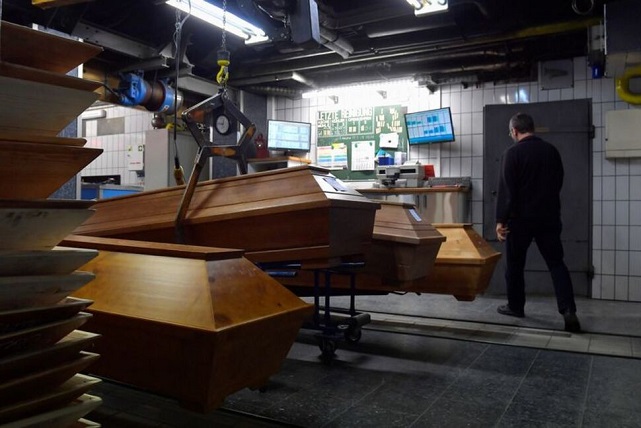
‘You Can’t Switch off Death,’ German Crematorium Boss Warns as Energy Crisis Looms – As Western sanctions heighten tensions between Europe and Moscow, the whole nation is on alert for a possible cut-off of supply by Russian state gas giant Gazprom.

Businesses, including crematoriums, are developing contingency plans to cope with rising gas costs and the risk it is unavailable at any price.

German Of The Day: Warmduscher

Literally, that means somebody who takes warm showers. Not ice cold like real men do. A wimp, in other words.

Thank goodness Vladimir Putin is in the process of finally changing all of that now.

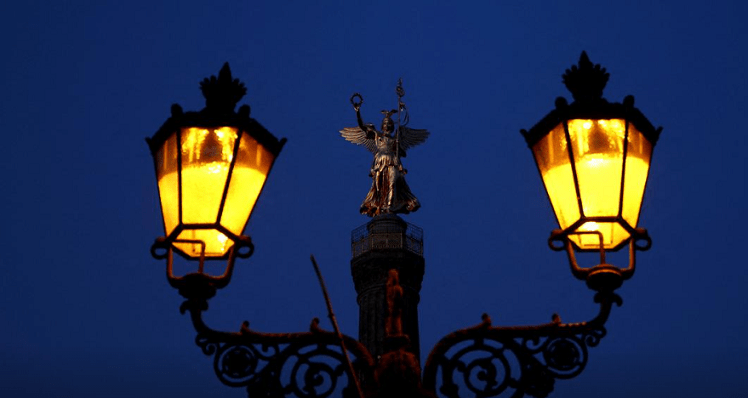
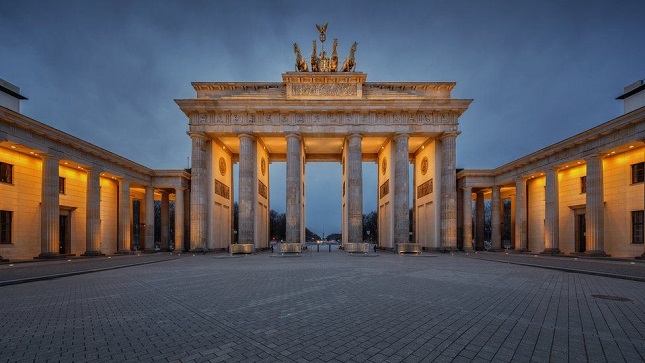
German cities impose cold showers and turn off lights amid Russian gas crisis – Hanover is first large city to impose energy-saving measures and Berlin switches off monument spotlights.

Cities in Germany are switching off spotlights on public monuments, turning off fountains, and imposing cold showers on municipal swimming pools and sports halls, as the country races to reduce its energy consumption in the face of a looming Russian gas crisis.

Germany Also Wants Unicorns, Candy Hearts And Free Beer For All

Germany wants clean, reliable energy. But first, to survive winter…

Germany is largely dependent on Russian energy, with half its natural gas and a third of its oil coming from that country. There’s currently no other way to quickly secure Europe’s supply of energy for heating, transportation, and industry, says the German government. But they’re trying. Leaders have decided to build liquefied natural gas terminals, which opens up new energy supplies but also raises a bevy of questions about Germany’s energy security.

Nuclear energy has been phased out, and renewables such as wind aren’t yet ready to pick up the slack, so lawmakers have decided that LNG is the answer to Germany’s energy crisis. They’ve announced plans to build two domestic LNG terminals, which re-gasify the supercooled form of natural gas that arrives on ships. Leasing floating terminals and securing supply via terminals elsewhere in Europe is also in the works. Essentially, Germany is trying to buy whatever it can, from wherever it can.

What’s A Little White Lie Here And There?

I meant Green lie, of course.

And over there. And over there too. Damn. Little Green lies all over the place. Actually, they’re not all that little either.

German Government Lied About Nuclear – Germany’s Economy and Climate Minister, a Green Party leader, lied about nuclear fuel rods.

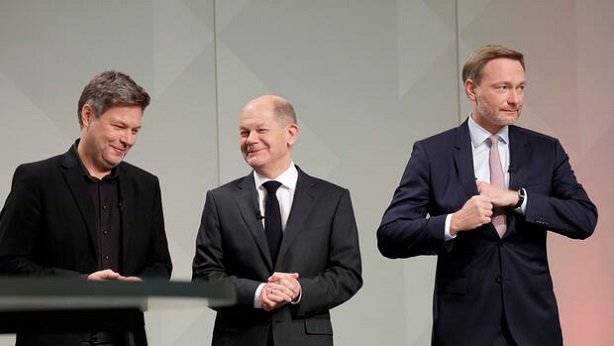
The German government is moving forward with plans to close its last three nuclear plants this December despite Europe being gripped by the worst energy crisis in 50 years. Robert Habeck, Germany’s Vice Chancellor and Federal Minister for Economic Affairs and Climate Action, said there is no point in operating them because Germany lacks natural gas, not electricity.

“Nuclear power doesn’t help us there at all,” Habeck said on Tuesday. “We have a heating problem or an industry problem, but not an electricity problem — at least not generally throughout the country.”

Besides, Habeck said, only Russia could provide Germany with the uranium fuel rods required to keep the nuclear plants operating, and there was no way to make sure the plants would be able to operate safely.

But none of what Habeck said was true. Coal, natural gas, and nuclear energy all generate electricity. Less nuclear means using more of coal or natural gas, which is why the German Cabinet, led by Habeck, just approved burning more coal…

I Wood If I Could

There’s tons of trees in that park down the street. But I don’t have a fireplace.

Germans could switch to wood this winter to heat their homes as Russia withholds natural gas, Deutsche Bank says – German households could turn to wood as a heating source this winter as gas supplies remain tight while Russia restricts flows to Europe, Deutsche Bank wrote in a note Tuesday.

The bank said it expects gas consumption in Germany to be 10% below 2021 levels thanks to private households saving and high gas prices. It also noted that coal and lignite could emerge as replacements for natural gas in the industrial power sector.