And that ain’t never gonna happen in Germany. Think banning guns in the USA.
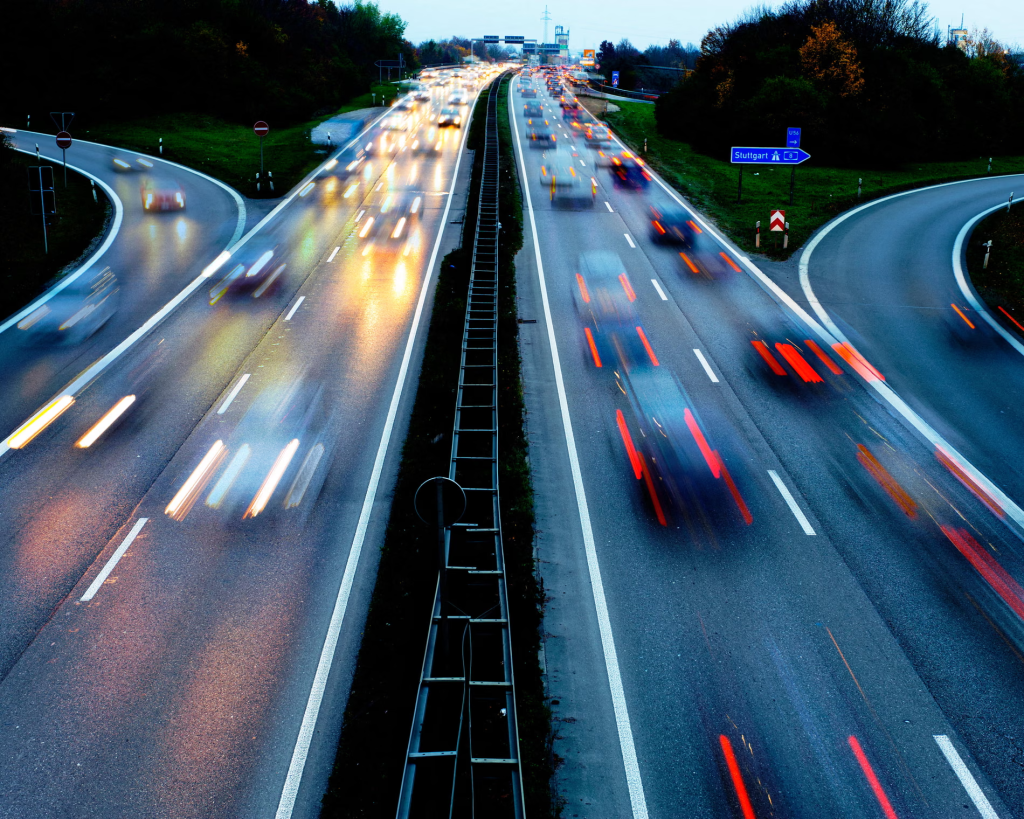
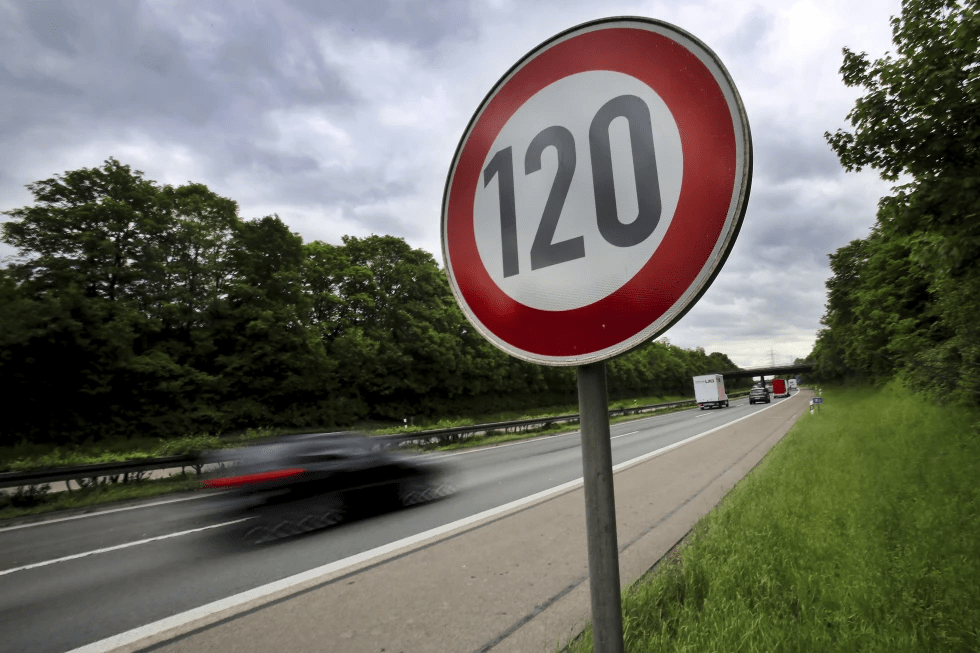
‘Tempolimit? Nein, danke!’: why German petrolheads won’t slow down – despite the energy crisis – Driving fast is in ‘the German DNA’, say lovers of the speed-limit free Autobahn, but support in the country for a restriction is growing.
But “hold out” until you finally figure out that nobody wants them here, EVs.
Then the German automobile industry as we knew it will be dead.
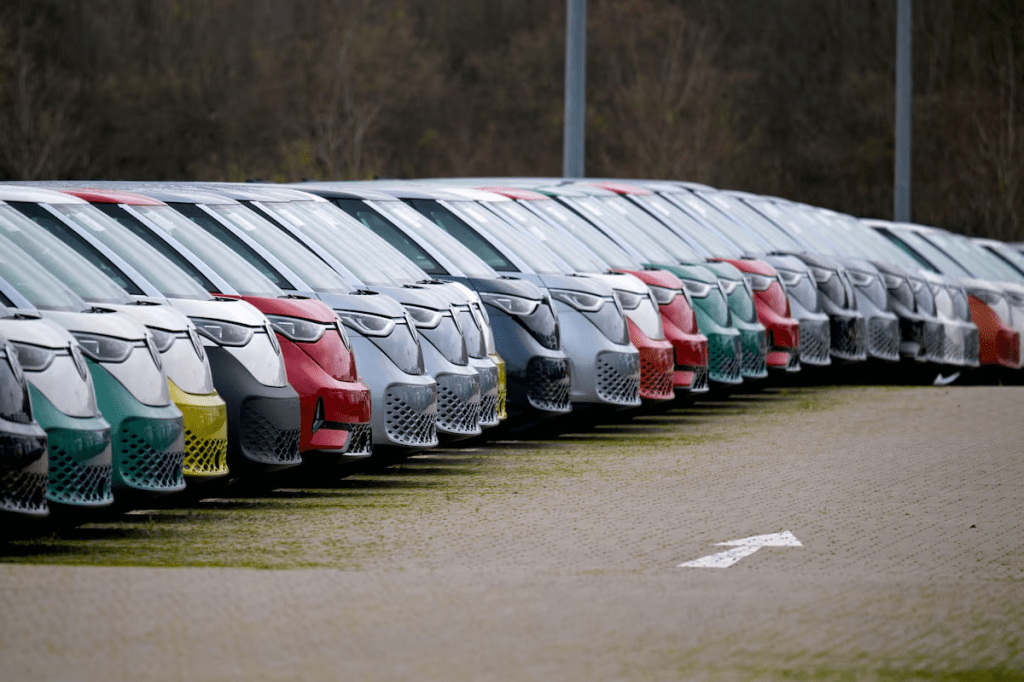
Germany holding out for ‘real boom’ on EVs despite strong 2025, EY says – Germany’s electric car market showed strong growth in 2025 but remains on unsteady footing, according to an EY analysis of registration data released on Tuesday.
The 43% year-on-year rise was largely due to a rebound in growth after a muted year in 2024, when the end of a federal subsidy for electric cars had weighed on demand, the consultancy said. The increase in 2025 compared to 2023 was just 4%.
“We haven’t seen a real boom yet – the hoped-for surge in e-mobility in Germany is proving to be much more protracted and difficult than expected,” said EY mobility specialist Constantin Gall.
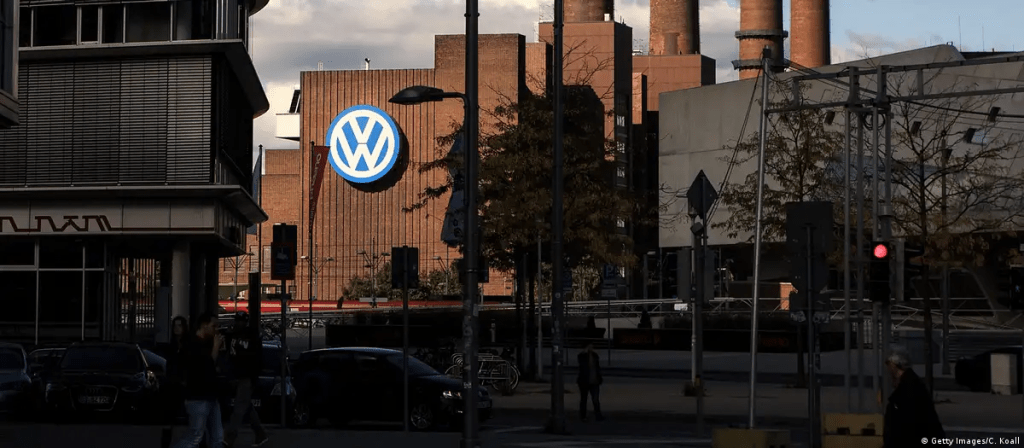
Volkswagen shutters a German plant for first time ever as Trump tariffs squeeze car giant – Volkswagen is ending vehicle production at its Dresden factory — the first time in the automaker’s 88-year history that it has closed a plant in its home country — as weakening demand and punishing US tariffs squeeze the German car giant.
The last vehicle rolled off the line Tuesday at the Dresden site, known as the “Transparent Factory” because of its glass-walled design, capping 24 years of production that began in 2001.
And voluntarily killing their number one industry in the process.
That’s why.
Why Germany’s auto capitals face financial crisis – The crisis in Germany’s revered car industry is taking a toll on its wealthiest regions — and hitting the pocketbooks of residents.
‘The car belongs in Berlin’: city backpedaling on bike-friendly policies, critics say – Car-critical measures have been slashed since the conservative CDU came into power in 2023, triggering protests and dividing communities.
German car industry sheds 51,500 jobs in a year – The dip equates to almost 7% of the total workforce in the German auto sector. Faltering exports to China and the US play a role, as new tariffs raise barriers to entry in both these core markets.
“The US and China are currently the cause of major concerns.”
German top politicians’ cars exceed CO2 targets: study – If EU emissions targets for the car industry were applied to top German politicians’ official vehicles, the fleet would fail, according to a climate body’s new study, saying it was “emblematic” of German carmakers.
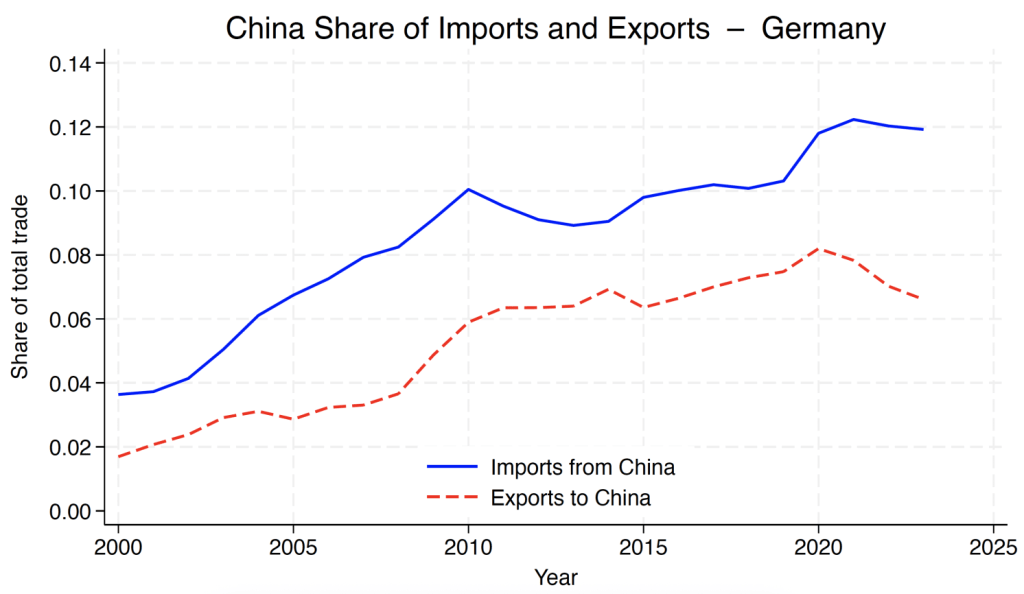
If the Chinese can’t displace the American workforce anymore, then they’ll displace another one (or two, or three…).
The China shock hits Germany – Trade with China displaced large parts of the American workforce in the 2000s, but Germany did not experience a similar shock at the time…
A speeding motorist driving at 199 mph on Germany’s Autobahn is fined more than $1,000 – A motorist was clocked driving at more than 320 kph (199 mph) on the Autobahn west of Berlin, a record high at more than 124 mph above the speed limit, German police said.
The speedster, who was not identified, was caught while racing along the A2 highway near Burg on July 28.
The driver was handed a fine of 900 euros ($1,043), stripped of two points from his driver’s license and banned from driving for three months, the Magdeburg police office said Tuesday.
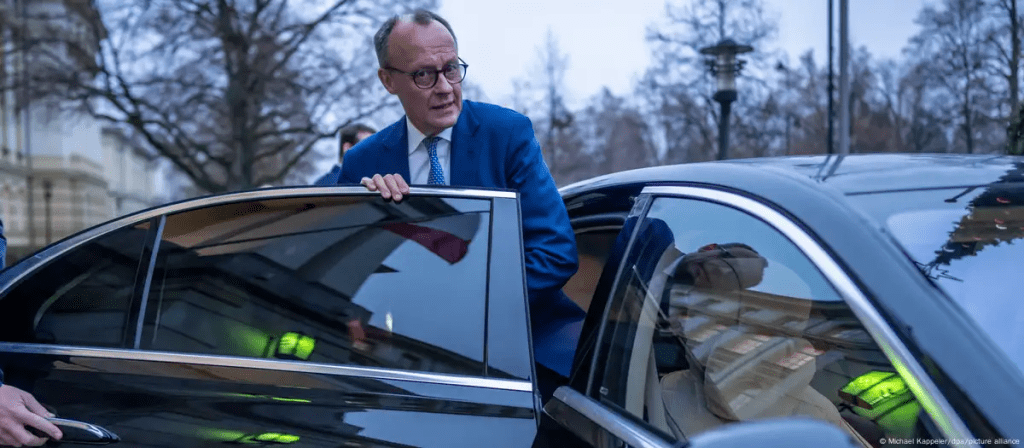
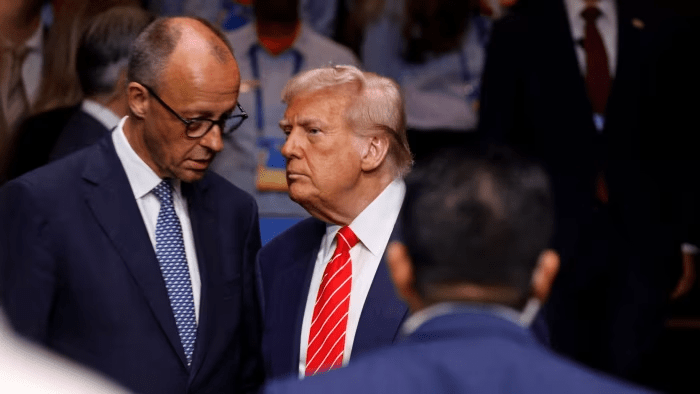
Merz ‘delusional’ over US sparing German cars in EU trade deal – Brussels has warned German chancellor not to expect UK-style carve-out for car sector in EU deal with Donald Trump.
Chancellor Friedrich Merz is “delusional” in his expectation that Germany’s car industry will be spared from US tariffs, according to EU officials involved in trade talks with the Trump administration.
Merz has been pressing the European Commission, which manages trade policy on behalf of the EU’s 27 member states, to sign a “framework” deal with Washington aping the US-UK agreement signed earlier this month, which included a special dispensation for cars.
But Brussels officials have privately told Berlin that such an arrangement would not be possible, as reducing German car imports is a big focus for US President Donald Trump, two people briefed on the discussions told the Financial Times.



 Observing Hermann