A Green Superpower?

Germany?

Coal

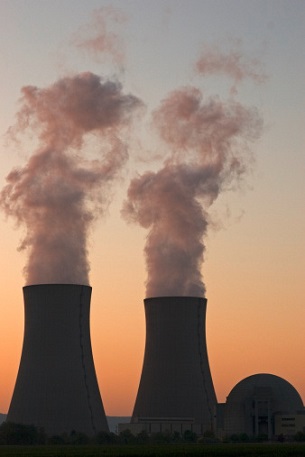
Germany is a superpower when it comes to setting ambitious goals. But it’s even better at burning coal.

Germany aims to generate 80% of its power from renewable sources by 2050 with nuclear being fully phased out by 2021. But given the costs associated with renewables and the challenge of replacing nuclear power efficiently, it is not clear that Germany will succeed in either of these goals…

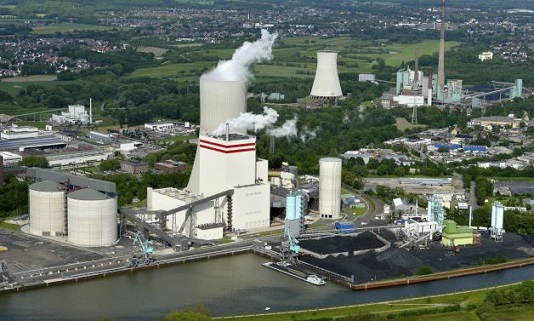
The Germans have increasingly turned to coal as their power generation source of choice, especially U.S. coal. Today coal power plants are responsible for generating nearly half of Germany’s power, and numerous new plants are scheduled to come online in the next few years.

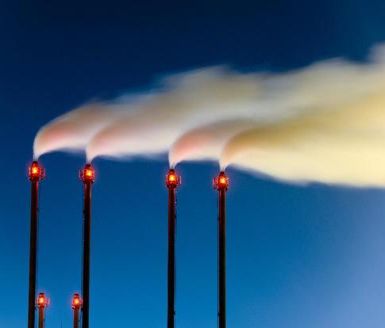
Overall, the increase in coal is likely to create a significant increase in airborne pollution and potentially stoke tension between Germany and its neighbors. But at the same time, if Germany wants to phase out nuclear power, coal is the only realistic option; a fact which some German politicians are starting to admit.

The Next Thing You Know They’ll Be Selling These On Ebay

Germany’s utilities, battered by the country’s shift to wind turbines and solar panels, would be glad to sell you a power plant on the cheap. They’ll even pack it up and ship it to another country.

Power Plant

The two largest power producers, RWE AG and EON SE, are especially keen to sell their gas-fired plants, rendered uncompetitive by the rise of renewable energy on the one hand and record low coal prices on the other. It’s a relatively easy task to take them apart, move them by truck and ship and reassemble them elsewhere.

“There is a liquid global market for gas turbines. Transport costs are entirely marginal.”

Just Like The Duracell Bunny

Germany’s Energiewende (energy turnaround) just keeps on going.

Not only is the cost part still working: The cost of government subsidies for green energy is passed directly through to consumers. As a result, German households pay twice as much for electricity as their US counterparts.

Coal

The unreliability of renewables keeps on working, too: Berlin has little choice but to rely on electricity generation from dirty coal-fired power stations (evil nuclear power has been turned off here).

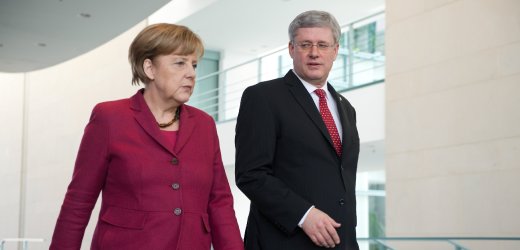
Which brings us to the next absurd turn of events.:  A striking example of the absurdity of this emerged this week with the publication of a letter from Germany’s vice-chancellor to the new Swedish centre-left government. Ms Merkel’s deputy warned of serious consequences for electricity supplies and jobs if Vattenfall, Sweden’s state-owned utility, ditched plans to expand two coal mines in Germany. While the Germans may need the dirty lignite these facilities produce, the Swedes are under pressure to scale back the mines because of popular concerns in Sweden about CO2 emissions.

US-Amerika Responsible For Rising German Carbon Dioxide Emissions

We all knew somehow that the Germans themselves could not be responsible for this. Now we know why.

Coal

Coal mining’s demise in Germany comes as the country is experiencing a resurgence in coal-fired power, one which the U.S. increasingly has helped supply. U.S. exports of power plant-grade coal to Germany have more than doubled since 2008.

“This is a classic case of political greenwashing.”

Mystery Crater Discovered In Germany

As if the recent discovery of the mysterious mystery crater in the Yamal Peninsula of Siberia had not been mysterious enough…

Crater

German scientists have now discovered a giant, 50-square-mile mystery crater near Hambach, Germany, as well.

Hole

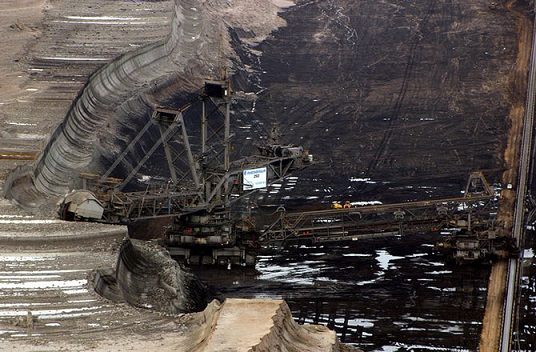
The German mystery crater appears to have been at one time filled with unimaginable amounts of something called “brown coal,” one of the dirtiest fuels on earth, until this dirty substance was removed by a mysterious machine some 30 stories tall to then be burned at mysterious German coal-burning power stations, which is the real mystery, of course, as Germany continues to insist that it is the world’s leader when it comes to the development of renewable energy sources – and they’re still digging.

Since the late 1970s, giant earth-moving machines have been digging what German environmentalists decry as “Europe’s biggest hole” at Hambach in the Lower Rhine basin.

“It can’t work without Russian gas”

The German energy turnaround can’t, that is. And that’s why the way things look right now, the turnaround is about to get turned around – yet again.

Power

If Germany makes its goal of having 80 percent of its power come from renewable sources by 2050, there is no question it will add to the country’s energy security. But along the way, as it takes nuclear power plants offline and builds up its renewable network, the country remains reliant on fossil fuels – and that means Russia.

Germany gets some 35 percent of its natural gas and oil from Russia, as well as significant quantities of coal, a dependency that weakens Germany’s energy switchover plan, according to Hans-Werner Sinn, a prominent economist.

“Es wird eine neue Betrachtung der gesamten Energiepolitik geben”

Sunny, Windy, Costly And Dirty

What’s not to like here?

Super Minister

“Super minister?” I’d say this is more like a job for Superpenner.

The difference between the market price for electricity and the higher fixed price for renewables is passed on to consumers, whose bills have been rising for years. An average household now pays an extra €260 ($355) a year to subsidise renewables: the total cost of renewable subsidies in 2013 was €16 billion. Costs are also going up for companies, making them less competitive than rivals from America, where energy prices are falling thanks to the fracking boom…

Cost is not the only problem with the Energiewende. It has in effect turned the entire German energy industry into a quasi-planned economy with perverse outcomes. At certain times on some days, sun and wind power may provide almost all German electricity. But the sun does not always shine, especially in winter, and the wind is unpredictable. And “batteries”—storage technologies that, for example, convert power to gas and back again to electricity—on a scale sufficient to supply a city are years away. Nuclear-power plants are being phased out (this week’s court decision that the closure of a plant in Hesse was illegal will raise costs even more, as it may entitle the operator to more compensation). So conventional power plants have to stay online in order to assure continuous supply. 

I Got The Power

The power bill, I mean. The Power Bill Blues, actually. Just like everybody else here in Germany.

Power

The electricity prices in Germany are the highest in the EU. A household here shells out 1000 euros annually (approx. $1,370). The French pay half. The EU average is around 700 euros.

Is this what they meant by the Energiewende (energy turnaround)? The power may be renewable here but I’m not sure how much longer the money is going to be.

Well, at least the electricity prices in Germany will be going up even higher again next year.

Bei den Strompreisen gehört Deutschland innerhalb der EU zu den Spitzenreitern. Ein Haushalt zahlt mehr als 1000 Euro, der EU-Schnitt liegt bei 700. Und im kommenden Jahr dürfte es noch teurer werden.

CO2 Is Bad, Right?

Germany has produced 2 percent more CO2 than it did the previous year, 20 million tons more. Oh yeah, and there had been an increase in CO2 production the year before that, too.

CO2

Uh, I thought that this Energiewende (energy turnaround) thing was supposed to reduce these emissions. I mean, after turning off all of the German nuclear power plants and all, CO2 emissions just had to have dropped, right? I was never very good at science, though, much less at rocket science. This Scheiße is clearly way too complicated for me.

“Nach ersten überschlägigen Schätzungen dürften sich die energiebedingten CO2-Emissionen in Deutschland um etwa 20 Millionen Tonnen oder um reichlich zwei Prozent erhöhen.”

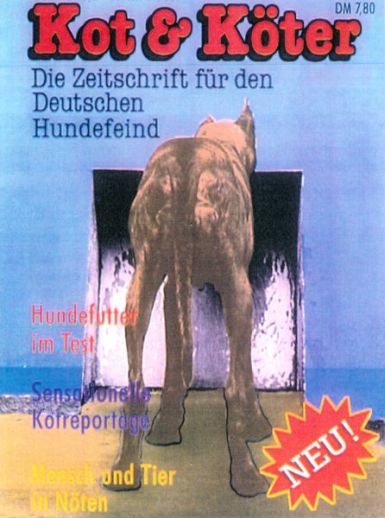
PS: Speaking of Scheiße, it turns out, to my amazement, that there actually are Germans who don’t like dogs. There seems to be a new anti-dog movement in the making that is being spearheaded by a magazine called Kot und Köter (Crap and Muts). I guess this had to happen sooner or later. And Kot causes CO2 emissions too, right?

Kot

Germany’s Eight Unplugged CO2-Free Atomic Reactors Have Increased Air Pollution For A Second Year In A Row

No, wait. It’s the German coal-fired power revival doing that.

Green

Green shift? Sounds more like a green shaft to me.

Coal is the most polluting fossil fuel and is blamed by scientists for contributing to global warming. Merkel opted to shut nuclear power plants after an earthquake in Japan two years ago resulted in meltdowns at reactors owned by Tokyo Electric Power Co.

“Climate protection is a key target of the government and greenhouse gases should fall, not climb.”