It doesn’t stink anymore either these days, for some reason.
Germany finishes construction of its first LNG import terminal – Completion of project in just 200 days eases fears of gas shortage amid cut in Russian supplies.
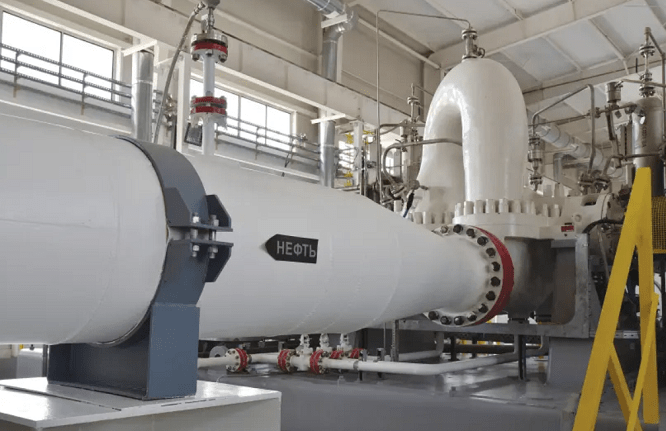
Liquefied gas is to secure the energy supply in the coming years. The first plant has already been completed in Wilhelmshaven, but terminals are also likely to follow at other locations.
Germany in secret talks to buy Iranian oil amid Russian war sanctions – The chief economist for the partially state-owned bank LBBW in the southwestern German state of Baden-Württemberg announced that Germany is engaged in secret talks with the Islamic Republic of Iran to buy Iranian oil.
“Intensive talks are already being held behind the scenes with Venezuela, Iran or Algeria to cover Germany’s oil and gasoline needs.”
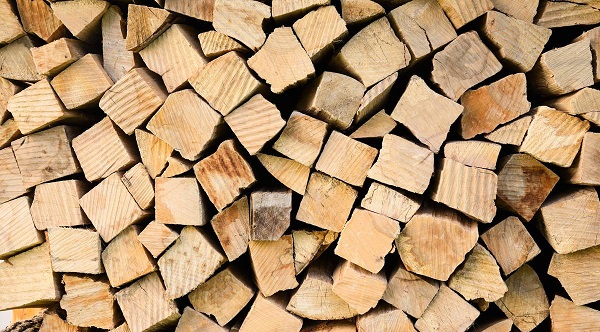
You know, like “which wood is the cheapest for heating?” Firewood is big these days in Germany for some reason. How green. Or something.
Expensive oak, cheap spruce or fragrant birch? Anyone who has a fireplace or wood-burning stove in their home has a great selection to choose from when it comes to firewood...
Heating is an important issue for many households this winter. Although the prices for firewood have also risen sharply in the course of the energy crisis, the domestic energy supplier wood is more popular than ever. However, the cheapest wood is not necessarily the most cost-efficient energy supplier.
“I’m taking Blackout Basics. Which one did you enroll in?”
The folks who caused the situation in the first place (German voters) are now teaching each other how to avoid the situation they already caused in the first place. Go renewables! Nuclear energy? Nein, Danke!
Growing number of Germans won’t be left in dark with blackout courses – Once purely the stuff of action movie plots, the prospect of the lights going out in Europe’s biggest economy has become a conceivable threat during the current energy crisis.
Looking to be the heroes in a real-life blackout, a growing number of Germans are turning to citizens’ courses to learn how to act if they find themselves plunged into darkness.
“If the electricity goes out then absolutely nothing works any more. And we need to understand what ‘nothing working’ really means,” said Birgitt Eberlin, an instructor at the Workers’ Samaritan Federation (ASB).
Let’s let bygones be bygones. We’re friends again, right?
Now that we need to come groveling for your natural gas?
Germany keen to discuss natural gas pact with UK amid supply risk – Officials interested in deal that would allow two countries to bail each other out in event of shortages.
Such an agreement could be mutually beneficial for both London and Berlin, the German civil servant in charge of rationing in the case of a supply crisis told the Guardian in an interview.
Energy crisis: Quarter of German companies ‘plan to cut jobs’ – In order to tackle rising energy prices, a quarter of German companies revealed in a new survey that they planned to cut jobs, among other cost saving measures.
Around 25 percent of German companies plan to axe jobs as a cost saving measure, according to a survey of 1,080 German firms led by the Munich-based Stiftung Familienunternehmen released on Monday.
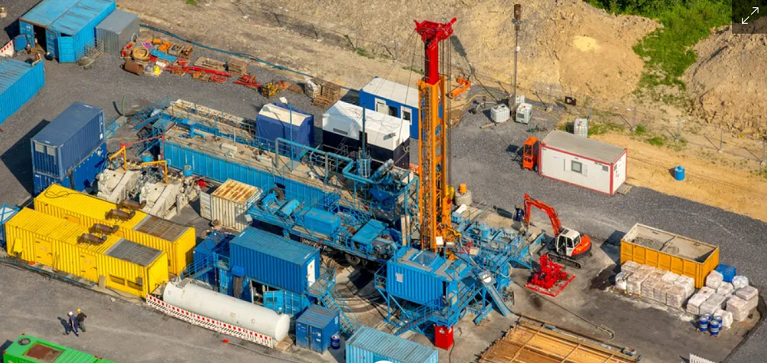
German of the day: Wir sollten Fracking ernsthaft in Erwägung ziehen. That means “We should seriously consider fracking.”
Reinhard Ploss was head of chip company Infineon, now he heads the German government’s Future Council. Here he talks about how Germany should respond to the energy crisis and why robots are the future.
Let’s turn off our remaining nuclear power plants too.
We have a reputation for being gründlich (thorough), after all.
Germany’s scramble to revamp its energy policy – Germany woke up too late to the risks of energy dependence on Russia. Moscow’s natural gas shutoff may make it one of the hardest-hit EU economies.
At a dinner at the German embassy in London on October 23, 1980, German Chancellor Helmut Schmidt shocked British Prime Minister Margaret Thatcher when he told her that West Germany relied upon the Soviet Union for 14 percent of its daily natural gas consumption. “That was very dangerous and unwise,” she said. Mr. Schmidt responded, “My dear Margaret, the Russians have always been the most reliable suppliers. They need us as much as we need them. There is no danger at all.” For nearly 40 years, the chancellor’s optimistic assessment appeared accurate, and Germany’s dependence on Russian gas only kept increasing.
(just like the Czech Republic). We’ll supply you with gas now too.
France starts sending natural gas directly to Germany – Technical adjustments were necessary as the single pipeline between the two countries was originally intended only to deliver gas (from Russia) from Germany to France.
If you haven’t noticed, Germany’s Green doesn’t stink.
Fun fact for you CO2 fans out there: The Germans generate 10 tons of CO2 per capita per year (some call it the “Carbon Footprint”), the nuclear-friendly French only do 6.
Making someone question their own reality. The term may also be used to describe a person (a “gaslighter”) who presents a false narrative to another group or person, thereby leading them to doubt their perceptions and become misled, disoriented or distressed.
Berlin’s 19th Century Gas Lanterns Go Dark as Russia Cuts Fuel – The city is speeding the shutdown of traditional streetlights while citizens scramble to stay warm.
Like other cities worldwide, Berlin began installing gas lanterns along its avenues and alleyways in the early 19th century. But while the rest of the planet has long since moved on to sodium, halide, and LED, the German capital has remained stubbornly old-school, with some 23,000 gas lanterns still illuminating the city. For years the local government has sought to eliminate the gaslights in favor of more sustainable technologies, but fans of the warm glow and sculpted lampposts have managed to slow the effort. Today, Russia’s war in Ukraine is hastening the technology’s demise. “Gas is too expensive and wasteful,” says Benedikt Lux, a city legislator from the Green Party. “They should have been converted to LEDs long ago.”





 Observing Hermann