Was He At Least Wearing A “OneLove” Armband?

When he signed the 15 year LNG deal with Qatar? They were a big deal here for a few minutes last week.

Don’t the Greens normally love making empty gestures and sending symbolic symbols (Zeichen setzen)? Germany’s Green Economy Minister set two symbols with the deal: 1) We don’t give a damn about the human rights blah blah we claim to give a damn about and 2) Nasty LNG gas may not be green enough for our standards but it’s just green enough to “save the planet,” as long as it saves Germany first – from the catastrophic energy policy the Greens got Germany into in the first place.

German minister satisfied with 15-year Qatar LNG deal – German Economy Minister Robert Habeck said on Tuesday he was happy with the length of a liquefied natural gas (LNG) supply deal struck with Qatar, as Berlin pursues new energy partnerships after a plunge in gas from Russia.

Because The Harsh Realities Of Life Keep Raising Their Ugly Little Heads?

Like the cold of winter? Unaffordable energy bills? Renewable energy pipe dreams that will never succeed? You know. Stuff like that? That’s why.

Why can’t Germany break up with nuclear energy? – Germany has spent 25 years flipflopping on nuclear power. An energy crunch caused by the war in Ukraine is the latest reason to reconsider the technology.

“Really, I think of myself as against nuclear energy, but I have to admit that you see the situation a bit differently now.”

Time To Ship In That Evil US-Amerikan Fracking Gas

It doesn’t stink anymore either these days, for some reason.

Germany finishes construction of its first LNG import terminal – Completion of project in just 200 days eases fears of gas shortage amid cut in Russian supplies.

Liquefied gas is to secure the energy supply in the coming years. The first plant has already been completed in Wilhelmshaven, but terminals are also likely to follow at other locations.

We Germans Condemn The Iranian Regime’s Brutality Toward Protestors

As well as their open hostility toward Israel.

But boy oh boy their gas sure doesn’t stink.

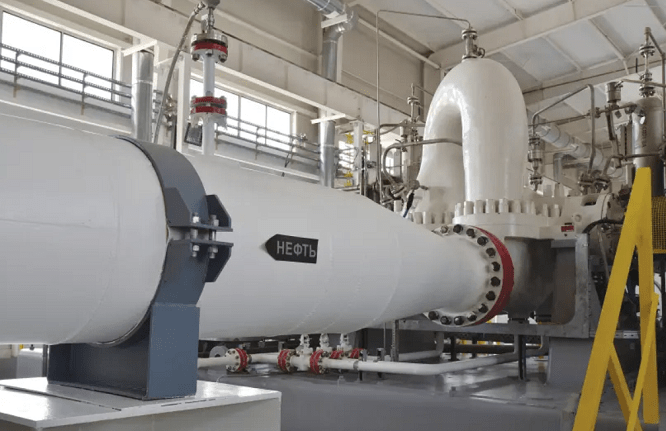
Germany in secret talks to buy Iranian oil amid Russian war sanctions – The chief economist for the partially state-owned bank LBBW in the southwestern German state of Baden-Württemberg announced that Germany is engaged in secret talks with the Islamic Republic of Iran to buy Iranian oil.

“Intensive talks are already being held behind the scenes with Venezuela, Iran or Algeria to cover Germany’s oil and gasoline needs.”

German Of The Day: Am Günstigsten

That means the cheapest, the least expensive.

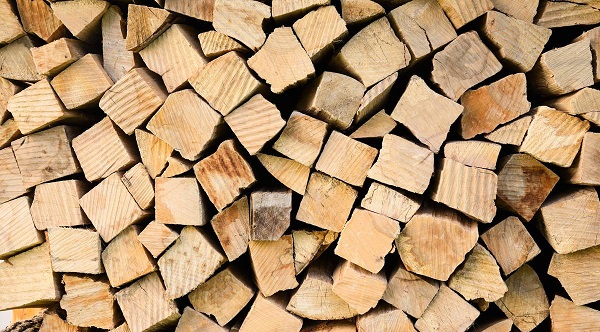
You know, like “which wood is the cheapest for heating?” Firewood is big these days in Germany for some reason. How green. Or something.

Expensive oak, cheap spruce or fragrant birch? Anyone who has a fireplace or wood-burning stove in their home has a great selection to choose from when it comes to firewood...

Heating is an important issue for many households this winter. Although the prices for firewood have also risen sharply in the course of the energy crisis, the domestic energy supplier wood is more popular than ever. However, the cheapest wood is not necessarily the most cost-efficient energy supplier.

German Blackout Experts Now Giving Blackout Courses

“I’m taking Blackout Basics. Which one did you enroll in?”

The folks who caused the situation in the first place (German voters) are now teaching each other how to avoid the situation they already caused in the first place. Go renewables! Nuclear energy? Nein, Danke!

Growing number of Germans won’t be left in dark with blackout courses – Once purely the stuff of action movie plots, the prospect of the lights going out in Europe’s biggest economy has become a conceivable threat during the current energy crisis.

Looking to be the heroes in a real-life blackout, a growing number of Germans are turning to citizens’ courses to learn how to act if they find themselves plunged into darkness.

“If the electricity goes out then absolutely nothing works any more. And we need to understand what ‘nothing working’ really means,” said Birgitt Eberlin, an instructor at the Workers’ Samaritan Federation (ASB).

Brexit Was Yesterday

Let’s let bygones be bygones. We’re friends again, right?

Now that we need to come groveling for your natural gas?

Germany keen to discuss natural gas pact with UK amid supply risk – Officials interested in deal that would allow two countries to bail each other out in event of shortages.

Such an agreement could be mutually beneficial for both London and Berlin, the German civil servant in charge of rationing in the case of a supply crisis told the Guardian in an interview.

German Of The Day: Arbeitsplatzabbau

That means job cuts.

Energy crisis: Quarter of German companies ‘plan to cut jobs’ – In order to tackle rising energy prices, a quarter of German companies revealed in a new survey that they planned to cut jobs, among other cost saving measures.

Around 25 percent of German companies plan to axe jobs as a cost saving measure, according to a survey of 1,080 German firms led by the Munich-based Stiftung Familienunternehmen released on Monday.

German Fracking Doesn’t Stink

Not like that yucky US-Amerikan fracking does.

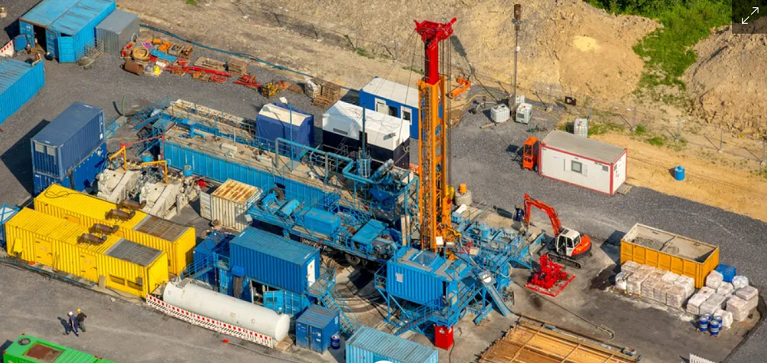
German of the day: Wir sollten Fracking ernsthaft in Erwägung ziehen. That means “We should seriously consider fracking.”

Reinhard Ploss was head of chip company Infineon, now he heads the German government’s Future Council. Here he talks about how Germany should respond to the energy crisis and why robots are the future.

Now That We Face A Crippling Shortage Of Natural Gas…

Let’s turn off our remaining nuclear power plants too.

We have a reputation for being gründlich (thorough), after all.

Germany’s scramble to revamp its energy policy – Germany woke up too late to the risks of energy dependence on Russia. Moscow’s natural gas shutoff may make it one of the hardest-hit EU economies.

At a dinner at the German embassy in London on October 23, 1980, German Chancellor Helmut Schmidt shocked British Prime Minister Margaret Thatcher when he told her that West Germany relied upon the Soviet Union for 14 percent of its daily natural gas consumption. “That was very dangerous and unwise,” she said. Mr. Schmidt responded, “My dear Margaret, the Russians have always been the most reliable suppliers. They need us as much as we need them. There is no danger at all.” For nearly 40 years, the chancellor’s optimistic assessment appeared accurate, and Germany’s dependence on Russian gas only kept increasing.