Booking “financing of transport infrastructure” as defense spending?

To “meet” their pledge of keeping defense spending at 2 percent of GDP?
Clever of the Germans. How refreshingly dishonest. And by that I mean openly dishonest.

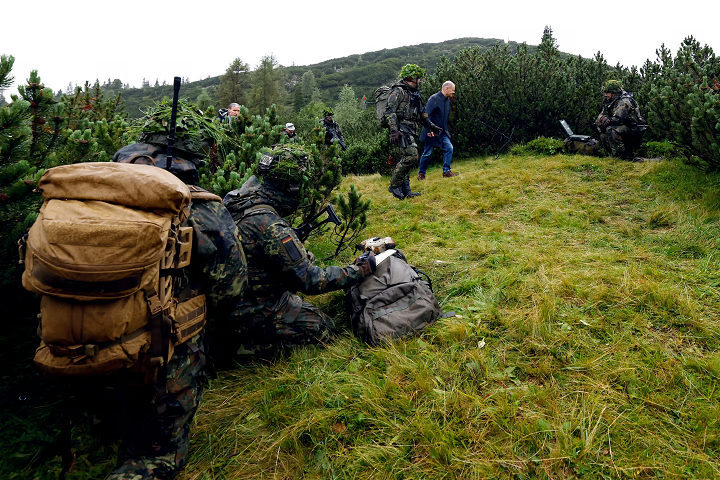
Berlin wants to pump defense spending numbers by including military mobility – Germany wants to keep defense spending at 2 percent of GDP, but budget constraints make that difficult.

The cash-strapped German government is looking at how it can include the financing of transport infrastructure used by the military into its defense spending to meet NATO’s spending target.


And tax breaks for skilled German workers?

Out of the question.

Wir sind doch nicht blöd (we aren’t stupid). Somebody has to pay for this.

Germany debates tax breaks for skilled foreign workers – The German government wants to grant skilled foreign workers a tax rebate if they take up employment in Germany. But the idea has been met with resistance.

But he’ll get over it

Real fast. It’s just how they roll here.

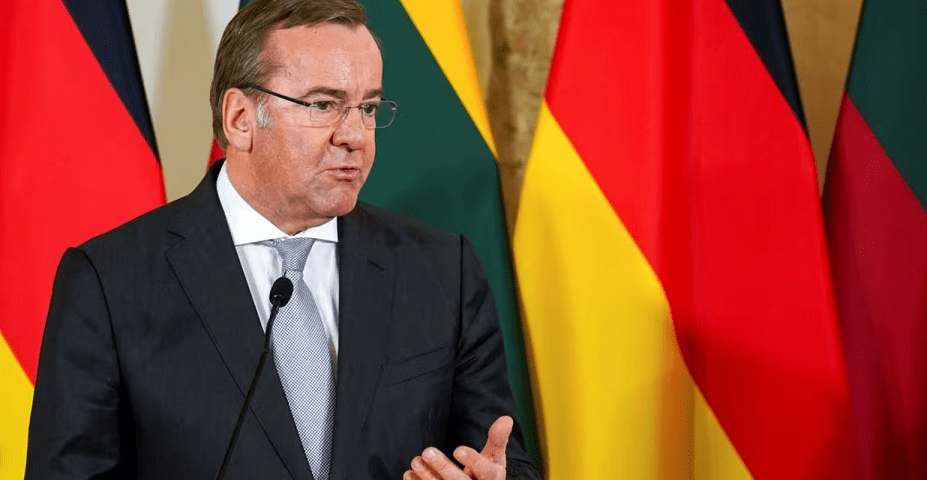
German defence minister deplores meagre military spending – Boris Pistorius’s criticism comes on eve of Nato summit in Washington.

German defence minister Boris Pistorius has criticised his government for approving less than a fifth of the budget increase he said was needed by Germany’s military, in stark remarks on the eve of a Nato summit in Washington.

German of the day: Na also, es geht doch

That means, more or less: “Well, what do you know? It’s possible after all.”

Germany hits 2% NATO spending target for first time since end of Cold War – Germany has met a NATO alliance target to spend 2% of its gross domestic product on defence for the first time since the early 1990s, a defence ministry spokesperson said on Wednesday, as spending ramped up after Russia’s invasion of Ukraine in 2022.

The German government is allocating the equivalent of 71.8 billion euros ($76.8 billion) for defence spending in the current year through regular and special budget outlays. However, the sum of its total defence spending is classified.

German of the day: Lahmlegen

That means to paralyze.

For example: Bauernproteste legen Städte und Autobahnen lahm means farmers’ protests paralyze cities and freeways.

The week of rage – What’s in store for us tomorrow?

Starting tomorrow, farmers all over Germany will be taking to the barricades to demonstrate against the government’s (subvention-cutting) policy. Expected are highway blockades, rallies, protest camps and rallies all over the country. The farmers’ association expects “tens of thousands of tractors” to take part.

“Worried?”

Worried about how heated up the atmosphere is getting?

Then why did you heat it up in the first place? Subsidies are like heroin. You don’t take heroin away from a heroin addict without expecting a reaction, do you?

Protest against German vice-chancellor shocks political class – Angry farmers attempt to stop Robert Habeck disembarking from ferry…

Deputy chancellor and economy minister Robert Habeck was on his way back from the island of Hooge on Thursday night when he faced a group of about 250-300 farmers at Schlüttsiel harbour, near the border with Denmark. They had gathered to protest against a recent government decision to slash agricultural subsidies.

“What I’m really worried about is how heated up the atmosphere in the country is becoming,” he added. “The right to protest in Germany is a precious asset. Coercion and violence destroy this asset.”

We did it!

My back is starting to hurt from all the patting I’ve been giving it.

We’ll just get around that old debt brake six months from now by declaring another “unforseen emergency” for more debt our high court can’t stop us from making. We’ve even announced what that unforeseen emergency will most likely be: Ukraine.

Germany clinches last-minute 2024 budget deal, keeps debt brake – Germany’s government clinched a last-minute deal on its 2024 budget on Wednesday that will see Berlin return to its self-imposed limits on new debt despite warnings this could hamper growth in Europe’s top economy and its green transition.

Chancellor Olaf Scholz’s three-party coalition was faced with either suspending what is known as the debt brake or finding some 17 billion euros ($18.3 billion) in savings and tax hikes after a Nov. 15 constitutional court ruling threw its plans into disarray…

Others said the deal simply delayed a necessary decision on how to fund investments in an economy that has already suffered years of chronic underinvestment. Last month’s court ruling has made clear the government will not be able to resort as easily to off-budget funds going forwards.

Dabblers

You call that debt?

Sure, you’re burning too much of the taxpayers’ money but if you want to see how it’s really done, take a look at The Banana Republic of US-Amerika.

Hard-pressed Germans dabble in debt but want government thrift – Most Germans do not want their government to loosen its strict borrowing rules to fix a budget mess – but many in a nation that prides itself on thrift are building up their own debts as a cost of living crisis deepens.

Chancellor Olaf Scholz’s coalition is reeling from a court ruling last month that has thrown its finances into disarray and forced it to suspend a constitutionally enshrined “debt brake” for the 2023 budget.

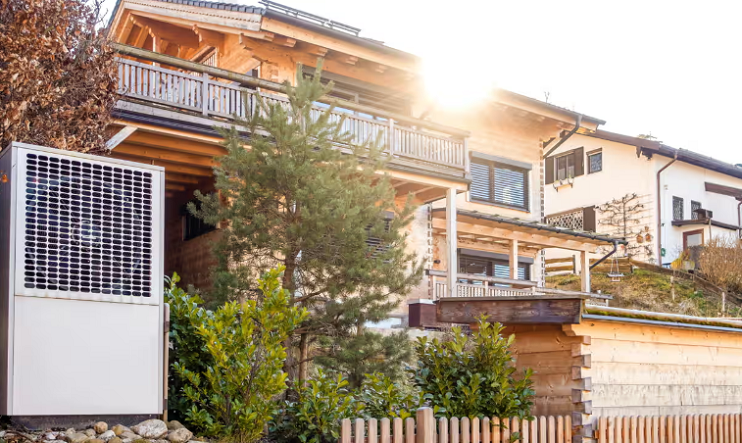
German of the day: Wärmepumpe

That means heat pump.

You know, the warming device that needs government subsidies to get anyone to install it (promised subsidies that will now no longer be offered)?

German heat pump rollout at risk as government suspends climate subsidies – Move could also undermine nine funding programmes, covering schemes from energy efficient homes to cargo bikes provision.

Nine funding programmes, covering everything from energy efficient homes to cargo bikes for commercial use, are now on hold as Olaf Scholz’s coalition government seeks to make savings of about €17bn (£15bn).

The government was thrown into a quandary last month over how to finance its ambitious environmental and industrial transformation programme (KTF) when the country’s highest court blocked its attempts to switch €60bn of pandemic-era borrowing to pay for it.

Time to say goodbye

To your latest Green fantasies.

The money. She is gone, señor.

Germany’s Greens thought their moment had finally come… But then, last month, Germany’s top court handed down a ruling that effectively stripped the ruling coalition of the full financial firepower it needs to make those ambitions a reality.

The bombshell ruling by Germany’s Constitutional Court blew a €60 billion hole in the country’s finances, leaving the government scrambling to fill the gap. At the same time, the ruling sharply limits the government’s ability to draw from special funds created to circumvent the country’s constitutional debt brake, which restricts the federal deficit to 0.35 percent of GDP except in times of emergency.

These special funds were supposed to help finance several projects which are core to the Greens’ agenda — such as the transition of steel plants to hydrogen energy, subsidies for battery and microchip production, and the modernization of the country’s railway network.