German of the day: Nostalgie

That means nostalgia.

You know, the sentimental yearning for the happiness of a former place or time? Way back when? In the past?

Germany’s Volkswagen crisis: an ode to nostalgia – Germany’s car manufacturer and long-time economic powerhouse Volkswagen has shaped the lives and memories of generations of Germans. It’s current crisis gives pause to reflect on its importance in Germany’s history.

A vote of confidence now?

Why? Everybody loves me.

I’m at least as popular here as Nicolás Maduro is in Venezuela.

German opposition parties and business groups on Thursday urged Chancellor Olaf Scholz to trigger a new election quickly to minimize political uncertainty after his rocky three-way coalition collapsed

The chancellor said he would hold a confidence vote in January, which he would probably lose, triggering a new election by the end of March — six months ahead of schedule.

The bad part isn’t that Germany suddenly has no functioning government…

The bad part is that nobody can tell the difference.

German Stocks Lifted by Demise of Scholz’s Fractious Coalition – German stocks leapt on Thursday after the country’s unpopular coalition government started to unravel, sparking hopes that early elections next year will bring a much needed economic boost.

Chancellor Olaf Scholz, a Social Democrat, brought an end to his three-party alliance with the Greens and fiscally conservative Free Democrats late Wednesday when he sacked FDP Finance Minister Christian Lindner. Scholz called for the next scheduled election to be brought forward to March from September, but the opposition wants it sooner.

Sorry, we’re only firing at the moment

Hiring war gestern (was yesterday).

German companies’ hiring plans drop to four-year low, Ifo finds – German companies are less willing to hire new staff than at any point in more than four years, data from the Ifo institute showed on Monday, as weakness in Europe’s largest economy has left its mark on the country’s labour market.

Ifo’s employment barometer fell to 93.7 points in October from 94.0 points in September, the lowest level since July 2020.

Germans were calling in sick long before Gen Z

It’s a Volkssport (popular national pastime) here. It’s just what Germans do.

People resent living in a political system that takes at least half of what you earn and they “pay it back” every opportunity they get. And twenty sick days a year is nothing. Berlin cops and firemen, for instance, are “sick” more than twice that amount every year.

German bosses are blaming the country’s economic woes on ‘work-shy’ Gen Z calling in sick nearly 20 times a year – Germany is in a structural crisis—with falling exports, soaring energy prices, and weakening competitiveness in its most important sectors. But according to the bosses of Germany’s biggest businesses, the real problem is its workers taking too much sick leave.

Several German employers have lamented a record-breaking year for absences linked to illness.

Hey, somebody forgot their bag of triacetone triperoxide in the train!

So much for that planned terrorist attack.

Germany: Manhunt after explosives left at Berlin station – German police are looking for a man who left a bag of explosives at Berlin’s Neukölln train station…

A police officer told the daily Berliner Zeitung that “it seems as if an attack has been prevented,” as an explosion caused by the contents of the bag would have had “dramatic consequences” if it occurred near a group of people.

The man ran away after he was subjected to a check by police officers.

German of the day: Zwangsarbeit

That means forced labor.

IKEA’s motto: “Everything is possible if you think in opportunities.”

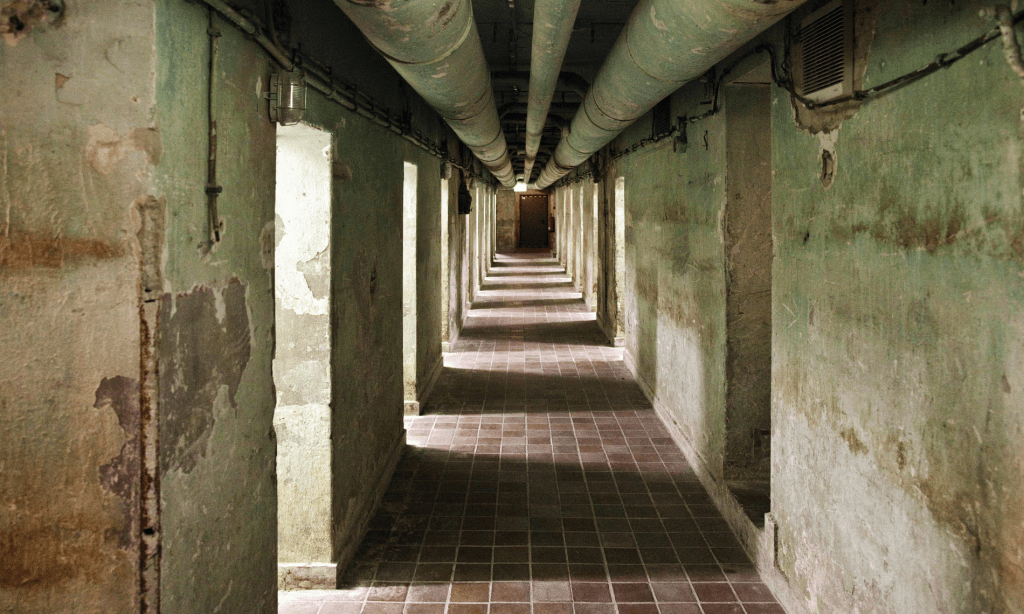
IKEA to compensate East German prisoners for forced labor – The German branch of IKEA has pledged millions to compensate victims of the former Communist East German regime, who were forced to make furniture components in the GDR.

Breaking up is hard to do

But somebody has to do it.

Germany’s loveless coalition teeters on brink of break-up – Chancellor Olaf Scholz snubs partners, fuelling speculation of early elections in spring.

Chancellor Olaf Scholz held a much-vaunted “industrial summit” on Tuesday, sitting down with business leaders and union bosses to figure out how to pull Germany out its current malaise. Pointedly left off the guest list: his own finance and economy ministers.

Robert Habeck, the economy minister, responded by unveiling plans for a multibillion-euro, debt-financed investment fund — an idea not previously discussed with cabinet colleagues — while finance minister Christian Lindner simply scheduled his own, rival business summit on the same day…

Speculation is growing in Berlin that the alliance could soon collapse, pulled apart by its own internal contradictions. Several German media outlets have even named a possible date for snap elections — March 9, more than six months ahead of schedule.