As long as they aren’t expected to volunteer themselves.
German cabinet backs voluntary military service, opening door to conscription – Compulsory military service in Germany was ended in 2011 under then-Chancellor Angela Merkel.
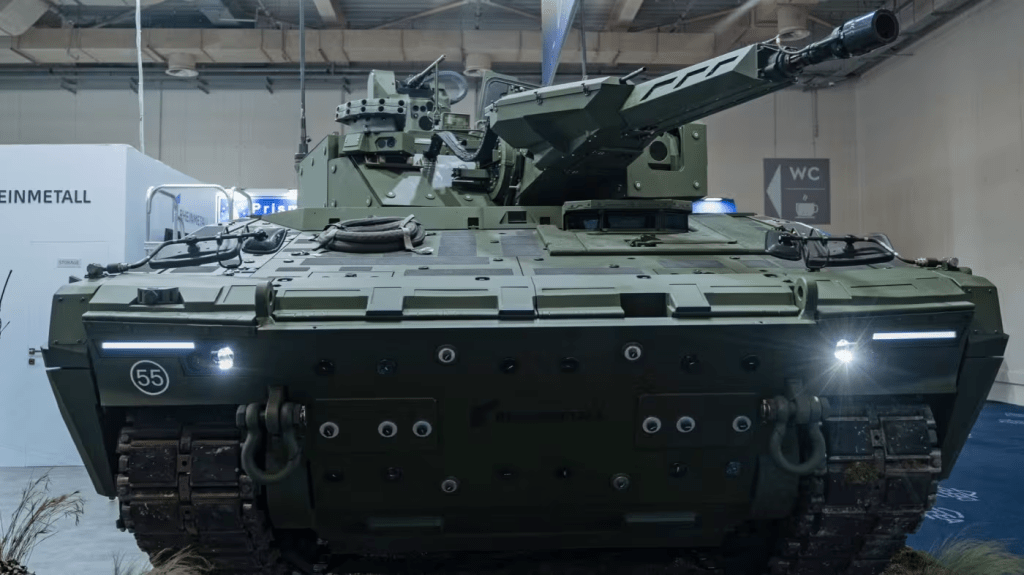
Chancellor Friedrich Merz has made boosting Germany’s military a priority given the threat from Russia and said “we are now back on the path to a military service army”.
He summed up his thinking earlier this year saying: “We want to be able to defend ourselves so that we don’t have to defend ourselves.”
German car industry sheds 51,500 jobs in a year – The dip equates to almost 7% of the total workforce in the German auto sector. Faltering exports to China and the US play a role, as new tariffs raise barriers to entry in both these core markets.
“The US and China are currently the cause of major concerns.”
As if the daily knife attacks don’t bother anyone.
As if the country didn’t start falling apart the moment she opened up the floodgates.
She regrets nothing and would make the same decision again today. What else is she going to say? Disgusting.
Germany updates: Merkel reflects on 2015 refugee policy – The former chancellor believes much has been achieved since allowing hundreds of thousands of refugees into Germany.
They all run out of other people’s money eventually.
German welfare state ‘can no longer be financed’ — Merz. The German chancellor has called for a welfare reform, putting him on course for a possible clash with the SPD.
“The welfare state that we have today can no longer be financed with what we produce in the economy,” Merz said in the town of Osnabrück.
The coalition partners had already agreed to reforming the social insurance system, which covers health insurance, pensions and unemployment benefits, due to rising costs and gaps in the federal budget.
The chancellor acknowledged that making cuts to social welfare would not be easy for the center-left SPD, but called for the two parties to work together.
American good Samaritan stabbed by Syrian immigrant in Germany after stepping in to stop harassment – An American has been stabbed by a Syrian national in Germany after allegedly stepping in to help two female passengers being harassed on a tram, according to reports.
The young man was attacked at around 12:25 a.m. on Sunday after intervening when “two men from a group harassed female passengers” on the tram in the eastern German city of Dresden, Saxony police said in a statement.
Germany updates: Economy shrinks more than expected – Europe’s largest economy has shrunk, with industrial production and construction weaker than first thought. Meanwhile, Berlin is being urged to recognize a Palestinian state.
German contest to live in depopulated Soviet-era city proves global hit – Eisenhüttenstadt offered spacious central flats rent-free for two weeks in effort to attract valuable professionals.
The best part is that there are never any consequences… Right? Even when spending the money you don’t have is never actually spent.
Germany’s borrowing spree plans face a reality check – Investors would be wrong to overstate concerns about a debt surge by the country.
Germany has had an abrupt awakening on the need to increase defence spending. The country enjoyed an oversized peace dividend for years: before the Berlin Wall fell, west Germany spent almost 3 per cent of GDP on defence. In the three decades after 1993 that ratio dropped to around 1.2 per cent annually. Military capabilities fell commensurately.
Since Russia’s attack on Ukraine and the election of a US president given to venting misgivings about European allies, a hectic scramble has ensued to make up for lost time. As chancellor, Olaf Scholz declared a “Zeitenwende” (or historical turning point) and parliament approved a €100bn debt-financed special fund for defence spending…
Nevertheless, markets would be wrong to overstate the German debt surge. The government’s ambition will probably be thwarted when the plans get in contact with reality. Appropriating borrowing permission is much easier than actually spending it. Scholz’s military special fund is a case in point. Up to April, halfway through its life, only around a quarter of the money has been disbursed.
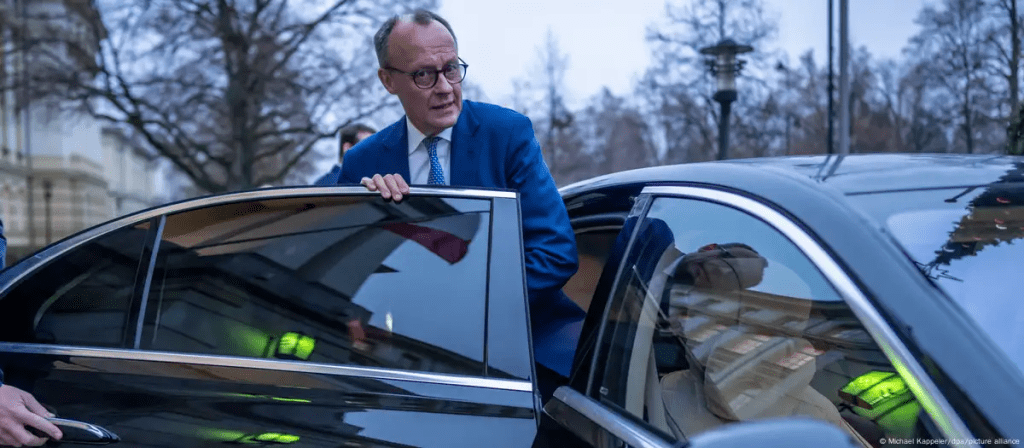
German top politicians’ cars exceed CO2 targets: study – If EU emissions targets for the car industry were applied to top German politicians’ official vehicles, the fleet would fail, according to a climate body’s new study, saying it was “emblematic” of German carmakers.
Germany is one of the best places to make a career as an opera singer, with 80 opera houses and billions of Euros in federal support. But mastering German pronunciation can be difficult.



 Observing Hermann