That makes five Arab journalists fired so far. The Deutsche Welle has become much less skeptical about firing them, I guess.
Germans less skeptical of immigration – People across Germany have become more accepting of refugees and migrants since the pivotal year 2015. But the latest study by the Bertelsmann Foundation shows that reservations remain.
Germans have overall become more accepting of refugees. But over one-third of respondents (36%) believe that Germany cannot take in any more of them. In 2017, that number stood at 54%. Currently, 20% consider the refugees to be “temporary guests” who do not need to be integrated into society.
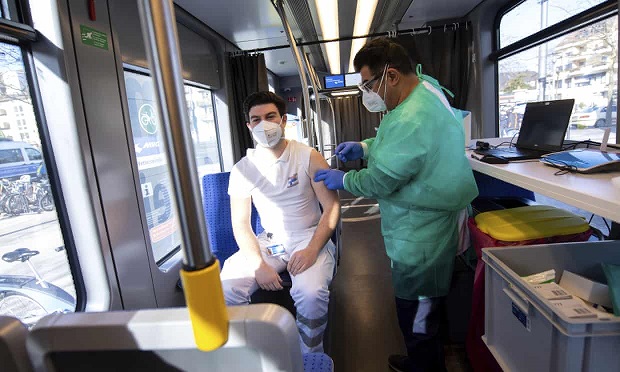
The government won’t be able to push its vaccine mandate through anymore, looks like. The political opposition is finally forming.
Germany’s plan for vaccination mandate losing momentum – Bundestag debate on general mandate unlikely before end of March when Covid-19 cases are forecast to fall.
“Plans for a vaccination mandate from age 18 or 50 are illusory solutions that won’t find a majority in the Bundestag.”
And you’ll still be disappointed. See Joe frowning over there already?
Ukraine crisis: What can the US expect from Germany? – With Russian forces massing on Ukraine’s border, the White House has sharpened its rhetoric. What can Germany bring to the table?
The 350 soldiers posted to Lithuania just a few days ago were merely a symbolic effort, just like the promise of 5,000 helmets.
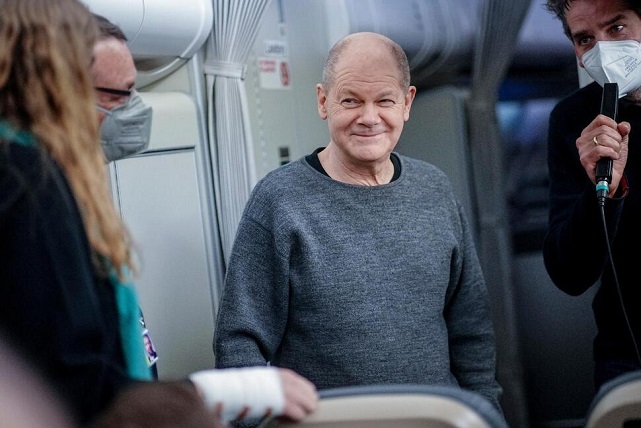
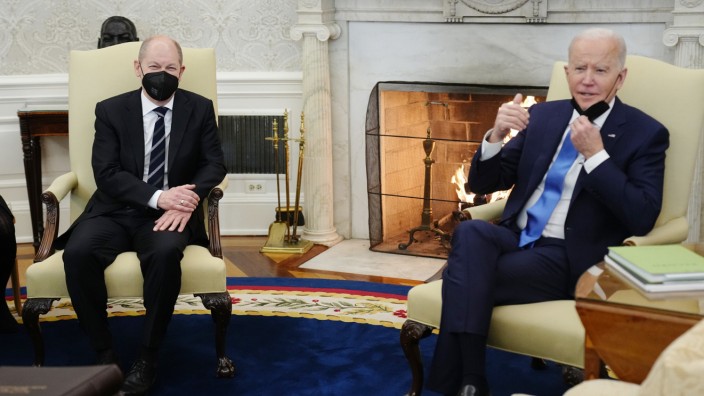
Olaf Scholz himself is coming to town. Or to grad, or whatever it is they call it.
German Leader Travels to Russia, Ukraine as Tensions Grow – German Chancellor Olaf Scholz is flying to Ukraine and Russia this week in an effort to help defuse escalating tensions as Western intelligence officials warn that a Russian invasion of Ukraine is increasingly imminent.
You know, kind of like ex-chancellor Gerhard Schroeder (SPD) being Gazprom’s top lobbyist?
Ain’t no big deal. The Greens are from the government and here to help, after all. They’re perfectly willing to turn a blind left eye to any conflict of interest or other ethical concerns in order to “save the planet.” The ends justify the means.
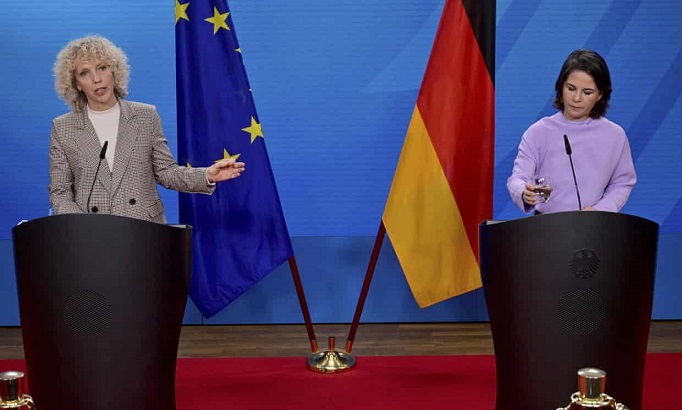
Germany’s foreign minister is facing domestic criticism over her surprise decision to recruit the head of Greenpeace as an international environmental envoy, including accusations she bent the rules to create the post and had obscured the divide between governing and lobbying…
She will reportedly receive a salary in line with that earned by bureaucrats of a similar rank, of almost €15,000 a month.
Morgan will have to also undergo a security check by Germany’s intelligence services, with some critics suggesting it may be difficult for her to distance herself from Greenpeace protest initiatives where its activists have clashed with the law.
For the country that already pays the highest energy prices in Europe?
Why The Latest Russia Crisis Might Be Worse For Berlin Than Moscow And Kyiv – Germany is wedded to Russian oil and gas. If things got hot, what would Russia do?
“In the hypothetical event of a full-blown conflict between Russia and Ukraine, we would expect the main impact on the eurozone economy to stem from higher gas prices. We would expect gas prices to more than double. Eurozone inflation would hit over 6% by the spring and remain elevated longer than in our base case.”
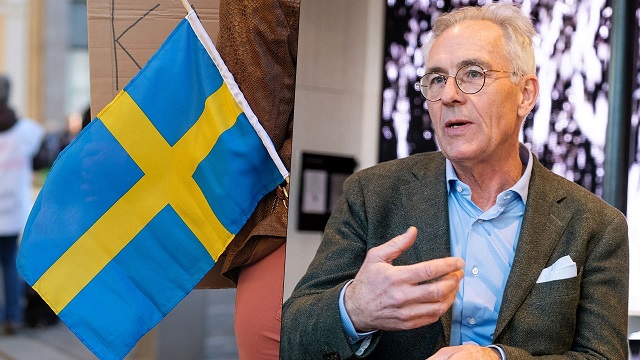
That means Freedom Day. And they’re celebrating Freedom Day – in Sweden.
Remember Sweden? The country that never had any COVID19 lockdowns or suffered from accute mask or vaccination psychosis? You know, the country that was never in the news? Of course you don’t remember Sweden. You’re not supposed to.
We never divided the people – No lockdown, hardly any rules: Professor explains why the path has been successful.
“Hopefully, research will soon show which actions were good and which were bad. Many decisions were made by politicians who wanted to demonstrate decisiveness. But health authorities also often had no knowledge base for their decisions. I think Sweden could have done a better job in the first weeks of the pandemic. For example, when it came to letting people come to work who had just arrived from abroad. But I’m glad we were never in a lockdown.”


 Observing Hermann