Gimme a submarine

With everything on it.
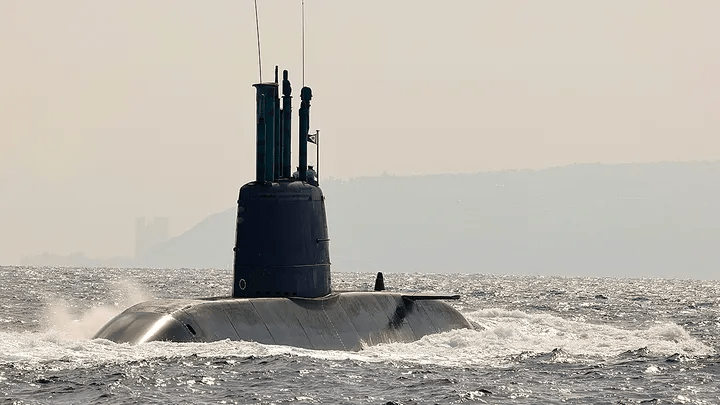
Israel’s new $634M German-built ‘doomsday’ sub gives major boost to Iran deterrence – The Dolphin-class submarine, built by Germany’s ThyssenKrupp, is the largest sub built in Germany since WWII.

Israel has officially received the INS Drakon submarine from Germany, the most advanced and expensive submarine ever delivered to the Israeli Navy…

“Some of them would have to be at sea, on high alert, around the clock, if Iran suddenly attacked Israel in such a way that would cripple the IDF, including its strategic capabilities,” Eilam said.

“In such a drastic scenario, Israel’s submarine/s that would be at sea could respond,” he added.

German of the day: Neuer Gefahrenqualität

That means “a new level of risk.”

Federal Interior Minister Alexander Dobrindt (CSU) considers the incident involving an explosive-laden drone at Leipzig/Halle Airport to be an attack carried out by highly professional perpetrators. He does not rule out the possibility that “foreign powers” were behind it. It was a “hybrid attack scenario,” Dobrindt said at a press conference in Leipzig.

Such threats must be prepared and carried out with a high degree of professionalism. This requires a high level of technical expertise and experience in handling explosives. Furthermore, it can be assumed that the explosives used were military-grade. “None of this points to an amateurish approach. We are talking here about a professional hybrid threat scenario that we must continue to address,” Dobrindt said.

Autonomous convoy to supply troops that aren’t there

This will help reduce risk to non-existent personnel back home as well.

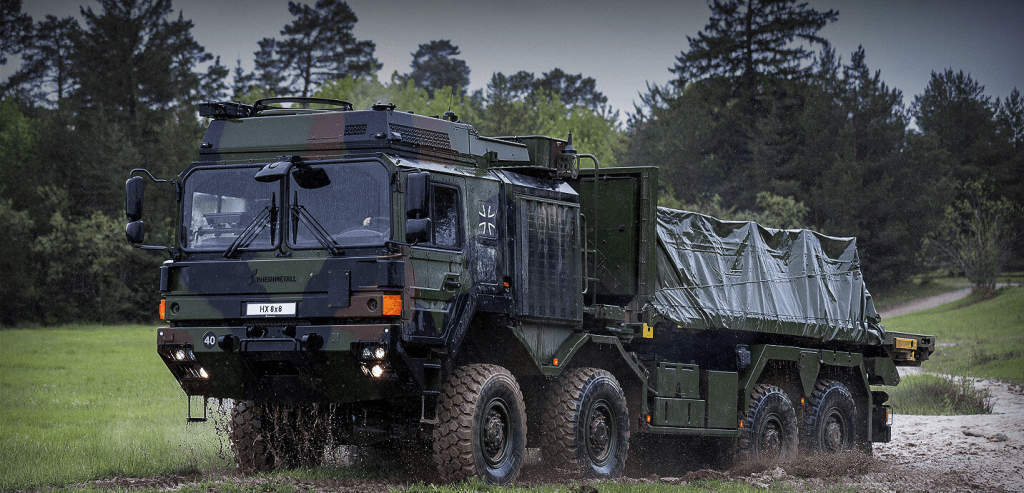
Rheinmetall to Lead German Autonomous Supply Convoy Program – Rheinmetall MAN Military Vehicles has taken over management of the latest phase of Germany’s Interoperable Robotic Convoy (InterRoC) research program, advancing efforts to develop autonomous military logistics technologies.

Known as InterRoC VII, the program aims to enable different military vehicles to operate together in autonomous convoys with minimal human intervention.

German of the day: Luftabwehr

That means air defense.

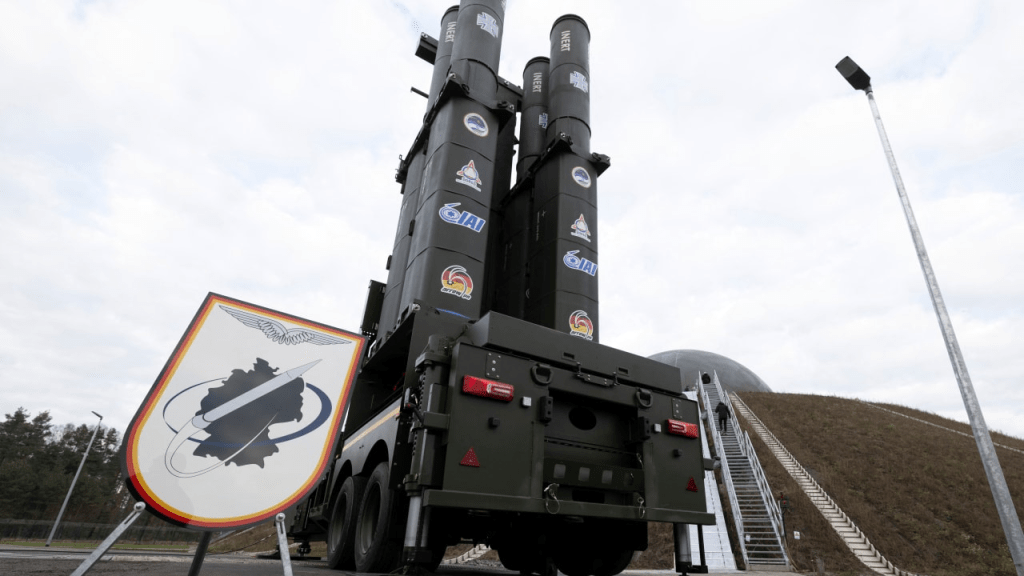
Germany expands missile defense network with second Israeli Arrow 3 site – The Arrow 3, one of Israel’s most advanced air defense systems, is capable of intercepting ballistic missiles at altitudes of over 100 km. and with a reported range of up to 2,400 km…

The Bundeswehr announced on June 30 that the second Arrow air defense battery site would be in the greater Kaufbeuren area of Bavaria and will house the ELM-2080 Green Pine Block C radar to detect and track threats.

The second location would complement the initial battery located at Fliegerhorst Holzdorf/Schönewalde, south of the capital of Berlin. That battery was the first time the system had been deployed outside of Israel.

Made in Germany

Germany doesn’t have to come back.

It never left in the first place. Not when it comes to war technology.

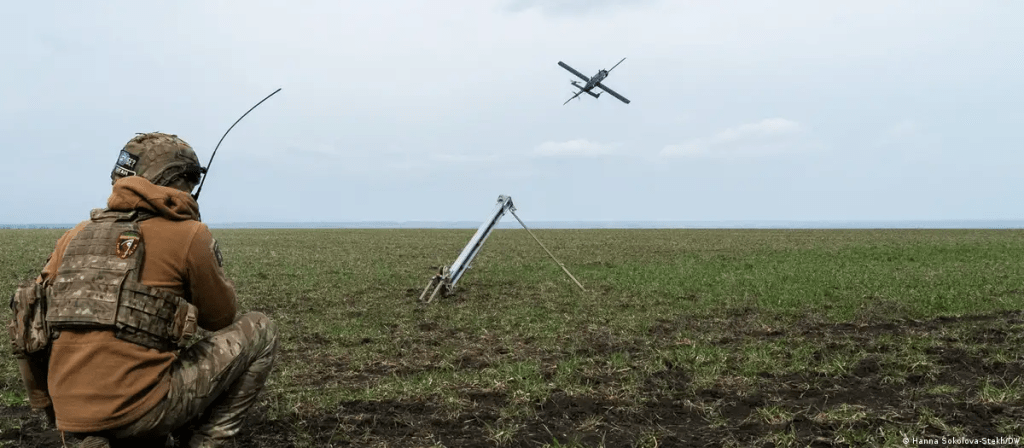
AI drones made in Germany see duty on Ukraine’s front line – The German defense company Helsing is supplying combat drones to Ukraine and will soon provide them to the Bundeswehr.

In a forested strip, two Ukrainian soldiers — a technician and an electrician — attach wings to a large black box. The kit is an HX-2 combat drone from the German manufacturer Helsing, equipped with artificial intelligence.

The billion-dollar startup from Bavaria is supplying thousands of these to the Ukrainian military, funded by the German government. Germany’s armed forces have also recently awarded Helsing a multimillion-euro contract.

Greens capitulate!

Air conditioning in Germany is now officially a good thing.

Greens’ Dröge calls for air conditioning push in public facilities – The co-leader of Germany’s Greens, Katharina Dröge, appeals in this week’s Bild am Sonntag newspaper for rapid moves to install air conditioning units in key public buildings.

You know. Key public buildings like the German Bundestag.

The future might be a nice place to visit…

But you wouldn’t want to live there.

It’s no better than living in the past.

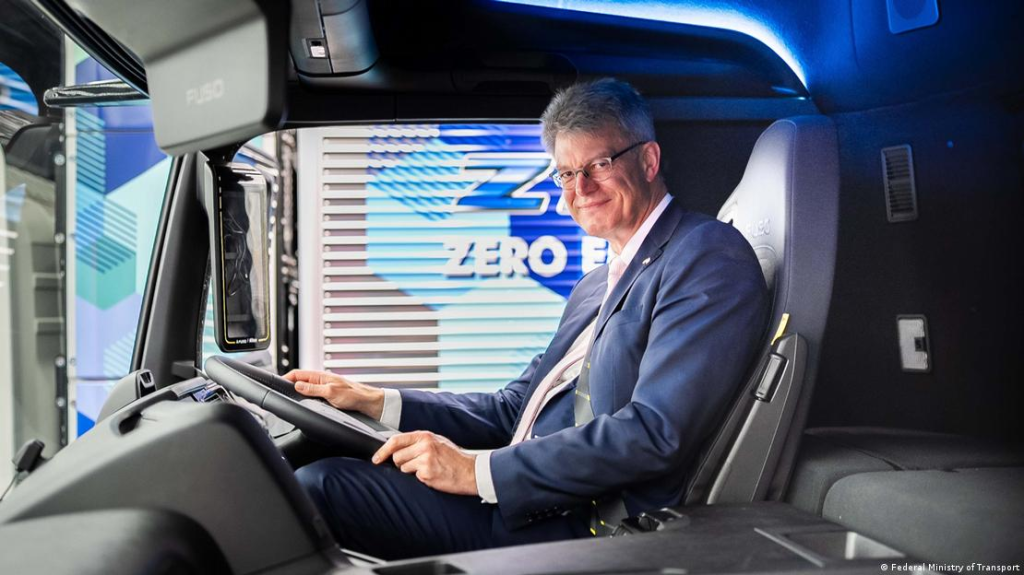
Germany and Japan test hydrogen future with BMW, Toyota cars – During a recent visit to Japan, Germany’s transport minister Patrick Schnieder toured hydrogen projects aimed at bringing the fuel into the mainstream…

Hydrogen remains niche fuel for now – Meanwhile, German and Japanese authorities are exploring ways to finance the hydrogen production boost that will help reduce price spikes. After all, at first green hydrogen will be significantly more expensive than fossil fuels. Siemens Energy and Toray want to improve electrolysis technology for green hydrogen, while Thyssenkrupp Nucera is eager to tap into the Japanese electrolysis market.

“Below-average wind speeds” are to blame

Not the lame-ass technology itself.

Alright, move on, nothing to see here, disperse…

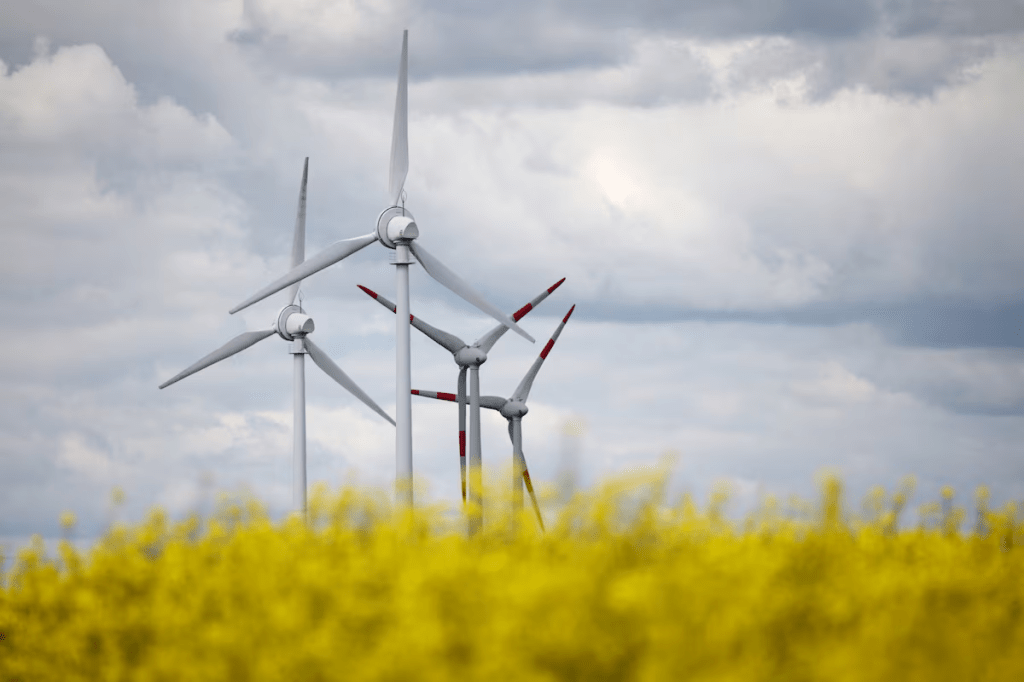
Germany’s stretch of weak wind output set to drag on into 2026 – Europe’s largest wind power producer – Germany – remains in the grips of a years-long bout of sub-par wind electricity production due to below-average wind speeds at turbine level.

Total German wind-powered electricity output fell by around 4% in 2025 from the year before, and followed a less than 1% annual expansion in 2024, despite steady annual increases to Germany’s total wind generation capacity for over a decade.

Germans simply don’t trust American Big Tech Companies

Except when it comes to Christmas shopping.

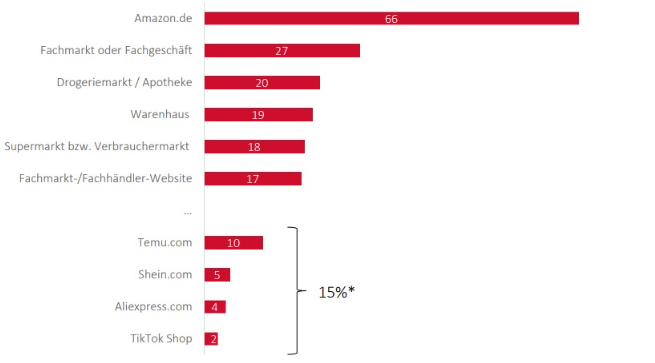
Two-thirds of Germans shop for gifts on Amazon – Amazon is the go-to place for Germans to do their Christmas shopping. Two-thirds of gift buyers shop at the American online retail giant during this holiday season, according to a new study. And 15 percent of consumers shop on one or more platforms from China, with their potential market share being even larger.