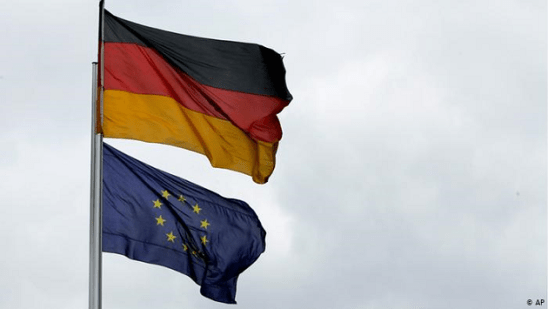
German Consumers Are An Odd Lot

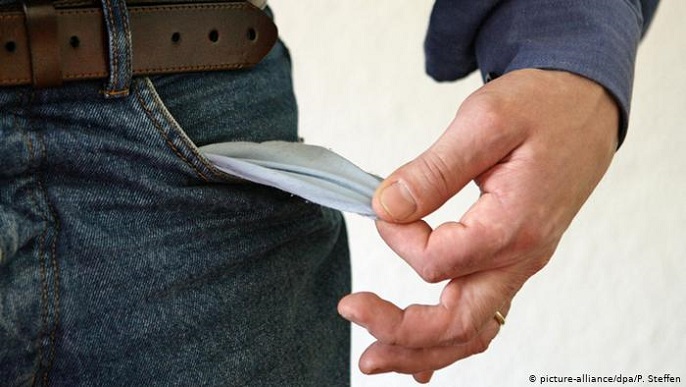
They have this annoying tendency to not spend money they don’t have.
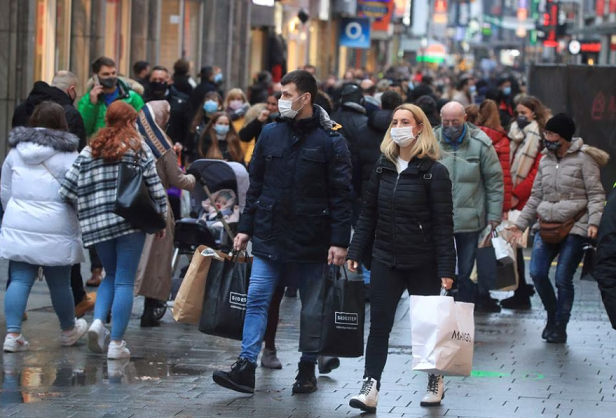
It has to do with something they call “debt.” Whatever that is.

Analysis: Spend the recession away? Not the thrifty Germans – A drop-off in spending by inflation-hit consumers was one of the main reasons Germany fell into recession in the first quarter, even as other countries in the region managed to avoid it.

What’s more, even with inflation starting to ease across Europe, the signs are that Germany’s famously thrifty shoppers are not ready to spend their way out of recession – meaning the region’s largest economy will have to look elsewhere for growth.

More Funds

Are always more fun!

Give me a break, people. Look, I’m burning this money as fast as I can!

German minister call for more funds for companies as debt debate intensifies – The German economy minister (Greens) on Thursday called for more government funds to support companies as a debate intensifies on whether Berlin should suspend its debt brake next year.

Money For Nothing

It’s magic. It almost seems like, I dunno, it’s too good to be true.

German government makes billions from debt thanks to negative rates – The German government made billions of euros from debt issuance this year thanks to negative interest rates on its securities, according to a letter, seen by Reuters, from Finance Ministry State Secretary Florian Toncar to a left wing lawmaker.

A Picture Is Worth A Thousand Words

What do Germans fear the most?

An annual study has again asked people what they fear the most. After almost two years of COVID pandemic, somewhat surprisingly, health issues do not top the list.

For years, there was no new public debt in Germany. This gave citizens the reassuring feeling of living in a fiscally sound country — until the coronavirus pandemic came rolling over our world like a tsunami.

“People like to push thoughts of illness away, we all know that. But when it comes to money, then, also in my experience, the fears are always very large.”

Woman Who Never Worked A Day In Her Life To Turn Germany Into A Socio-Ecological Economy

As soon as anybody can figure out what “socio-ecological economy” means, that is. Might take some time.

Oh yeah, I forgot. There is no more time. The world is coming to an end and man-made CO2 will kill us all and all that. So actually, it’s easy to figure out. All socio-ecological economy means is to spend more and ever more of other people’s money (and their children’s and their grandchildren’s and their…).

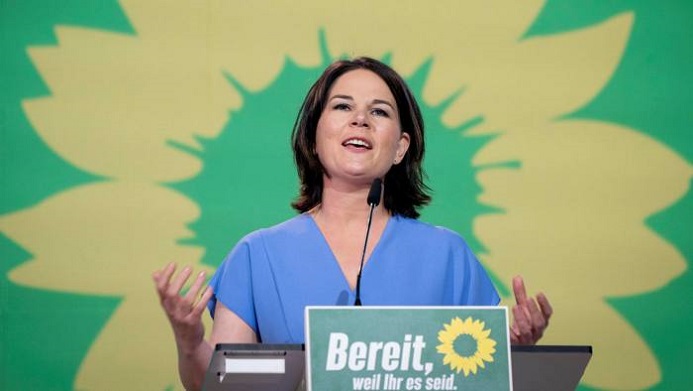
Greens vow to turn Germany into ‘socio-ecological economy’ – Party approves election manifesto that calls for fast-tracking of switch to carbon neutrality within next 20 years.

More Debt Is The New Normal

In Germany too.

Schulden

The govenment might not directly admit it but the days when they at least strove to reach a balanced budget (black zero) are over.

Germany’s spending to counter the coronavirus crisis and modernize its economy means the country shouldn’t return to a balanced budget anytime soon, according to a senior Finance Ministry official…

Chancellor Angela Merkel’s government abandoned its balanced-budget policy this year and is set to borrow about 218 billion euros ($258 billion). A deficit of more than 80 billion euros is set for next year to fight the fallout from the pandemic, people familiar with the matter have said…

Germany’s constitutional debt brake obliges the government to keep debt under control. In good times, the rule allows for a structural deficit of 0.35% of gross domestic product. In times of recession, new borrowing can go up in proportion with the economic decline.

“A balanced budget isn’t obligatory.”

No Way Back

No way out. No doubt about it.

Out

Spending other people’s money is so exciting. Joint debt is the bestest kind of debt there is. It’s free. Somebody else will pay it back. In this case, the Germans. Germans who haven’t even been born yet, but still.

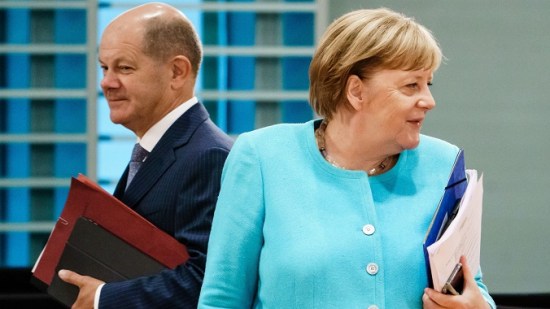
Germany’s Scholz (SPD) sees ‘no way back’ from EU joint debt – German Finance Minister Olaf Scholz said Sunday (23 August) that the European Union’s recovery package financed by joint borrowing was a long-term measure rather than a short-term coronavirus crisis fix, contradicting Chancellor Angela Merkel.

“The Recovery Fund is a real step forward for Germany and for Europe, one we won’t go back on,” Scholz, who is also the centre-left Social Democratic Party (SPD) candidate to succeed Merkel in 2021 elections, told the Funke newspaper group.

Germany Would Be So Much Poorer Without Berlin

Not. Not according to this latest study.

Berlin

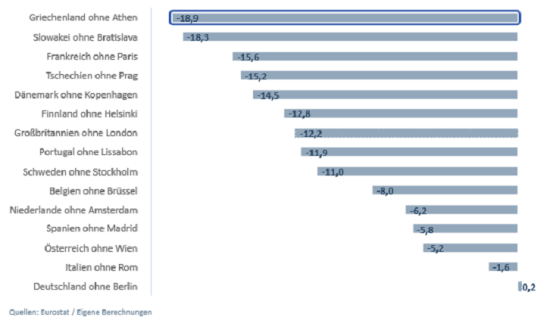
Normally, the per capita economic output (GDP) in capital cities in Europe is higher than in the rest of the given country. There is one big exception, however. Germany would be wealthier without Berlin.

Poor but sexy” is out. Now Berlin is just poor. Actually, it’s been that way for ages but nobody seems inclined to do anything about it. See the current red-redder-green city government.

Jeder Deutsche wäre ohne Berlin knapp 80 Euro reicher. Every German would be about 80 euros richer without it.

What’s An Increase Of 42% Among Friends?

Somebody just slammed Germany in the face with a brick. I mean a Brexit.

EU

Germany to contribute 42% more to EU budget: report – The European Commission would like to see €13 billion more per year from Europe’s largest economy. EU leaders, including Angela Merkel, are meeting Friday to discuss the bloc’s future budget.

Germany currently contributes an average of €31 billion a year to the EU budget. The proposal for the new budget would raise that contribution to €44 billion — an increase of 42%.

$1.5 Trillion?

There must be a better word than “stimulus” for that.

Stimulus

Wherever medication is given in huge and sudden doses, there’s a risk of unpleasant side effects. In Germany, and Europe generally, one of these may be a lasting shift in governing philosophy from market-friendly policies to state interventionism. That needn’t end in central planning. But even going part of the way would mean buying relief today at the price of misery tomorrow…

First, governments tend to confuse a company’s size with strength. Second, they’re usually worse than private investors at spotting winners, and always worse at pulling money out of losers. Third, they turn the economy into a big lobbying competition for businesses, which eventually hurts taxpayers and consumers.