After Germany begins to shrink because of exposure to a combination of radiation and insecticide, medical science is powerless to help it…
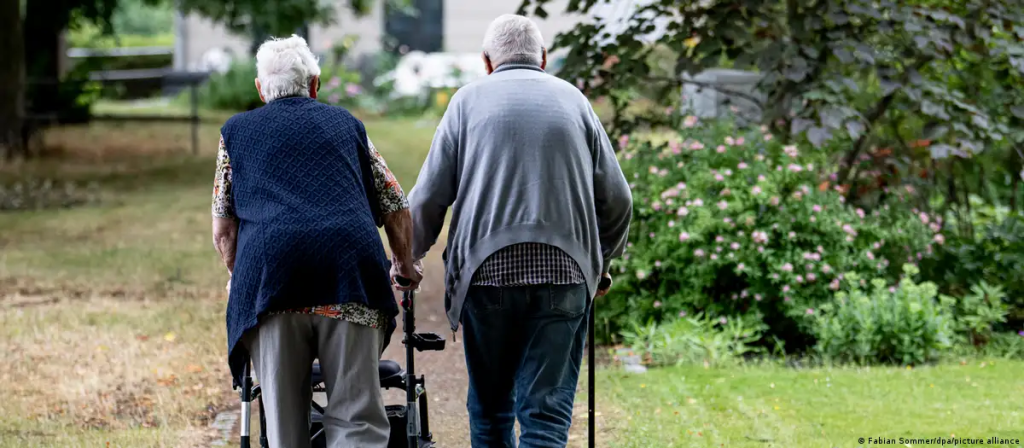
Germany is aging and shrinking much faster than expected – The latest forecasts predict a sharp decline in the population. One reason is that too few children are being born. Immigration, even in greater numbers, will not offset the trend.
some of the lowest salaries in Europe, the highest taxes in Europe (if not in the world), the highest social “contributions” (taxes) in Europe, some of the lowest retirement pensions in Europe (unless you’re a civil servant), the highest energy prices in Europe, the highest water and sewage costs in Europe, some of the highest real estate taxes and related bureaucratic costs in Europe, some of the highest rents and real estate prices in Europe and a catastrophic lack of available apartments. I’ll stop there. For now.
So don’t miss out on this opportunity, millennials!
Desperate for millennial talent, Germany launches ‘Opportunity Card’ giving migrants a year to look for a job – Between an aging population and an economy in seemingly perennial stagnation, Germany faces some major challenges. Could a visa aimed at attracting more young, hungry workers be the answer?
Germany is set to launch an “Opportunity Card” just in time for the summer, aimed at young foreign workers hoping either to eventually secure a long-term job or simply work in the country for a while.
It’s at an “all-time high.” Due to illegal immigration (AKA “migration”).
Doctors, engineers and other desperately needed Fachkräfte (specialists, professionals) keep pouring in over the non-border by the tens of thousands (a mid-size German city every year). Thumbs up, Germany.
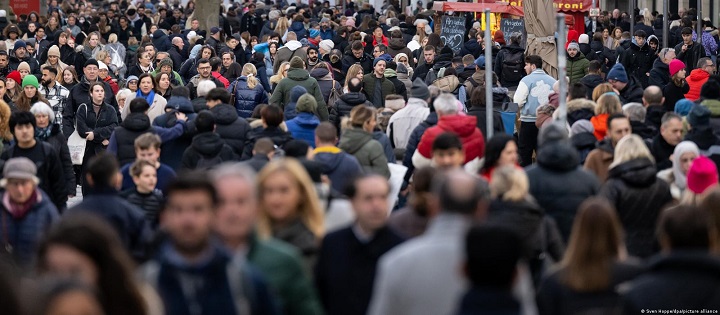
German population hits all-time high – According to official statistics, the number of people living in the EU’s largest nation grew due to record migration.
Germany: Number of young people falls to record low – People aged 15 to 24 have never made such a small share of Germany’s population. The latest figures show only 10% of the population fall into this age group — putting Germany below the European average.
Germany population flatlines for first time in decade – Germany’s statistics agency says there’s been no increase in population for the first time in a decade, with more deaths and lower immigration.
In the three decades since German reunification, the population has — with only a few exceptions — tended to increase. However, this population growth has resulted exclusively from positive net immigration. Without more people immigrating than emigrating, the population would have been shrinking since 1972 with more deaths than births in every year since then. Germany’s birth or fertility rates have been well below global and even European averages ever since the Second World War.
It depends on who you’re counting in Germany – and their birth rates.
German population declines for first time in decade – Pandemic has caused a fall in net immigration in the first six months, federal data show.
Translation: The only population growth in Germany comes from those who are not German. And Germany is like Japan (below)? Sort of. Only the Japanese don’t let anyone into their country. Germans no longer have any control over who comes into theirs.
Germany has long been grappling with a Japanese-style combination of low birth rates, an ageing society and a stagnant population of working-age people, which economists say raises concerns about productivity, growth and public finances in the future.
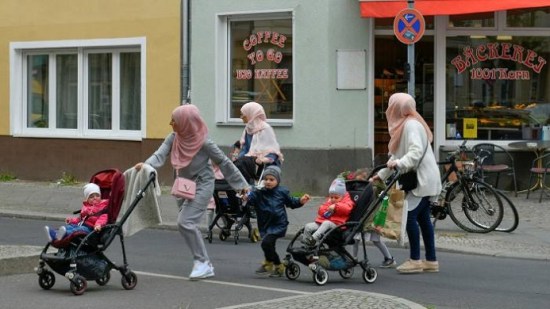
But at least the number of migrants coming to Germany continues to rise. Up to 400 per day now. And they tend to have really big families.
So, do the math or whatever.
Number of young people in Germany continues to fall – The proportion of youth and young adults in the German population is growing ever smaller.
The number of people between 15 and 24 years old in Germany continues to sink, with just 8.5 million in this age group living in the country at the end of 2019, figures released by the Federal Statistical Office (Destatis) showed on Tuesday.
That makes up just 10.3% percent of Germany’s population of 83.2 million people, Destatis said.
The German figures were released ahead of International Youth Day on Wednesday.
Please note the journalist’s panicked attempt to explain away the numbers right in the head of the article.
German population of migrant background rises to 21 million – Germany saw a 2.1% increase in the population with a migrant background in 2019, though the rate of increase was the least rapid since 2011. The largest group hails from Turkey, around one in three are from the EU.
“People with a migration background are clearly over-represented in cleaning jobs, warehousing, food production and care for the elderly. In the future we will continue to need more skilled workers.”
The East German rural population is now as low as it was back in 1905. The population in West Germany has more than doubled since then. For three reasons, demographers say: 1) Anybody who could fled from the Communist East after World War II and before the Berlin Wall went up in 1961, 2) Communist East Germany never had any immigration (of guest works like in the West, for example) and 3) there was also a big migration to the West after the Berlin Wall came down. Now it’s ghost town time over there and nobody knows what to do about it.
“For a long time, the problem of eastern Germany was, above all, the lack of jobs. Now you almost have the opposite problem: they are running out of workers.”
When is somebody finally going to do something about this already?
There are only 80 million Germans here, by the way. Tendenz sinkend (going down). But don’t mind them. They’re on their way out for a reason. I don’t know what it is but there must be some reason they’re on their way out.
More than half of residents living in the German city of Frankfurt have a migrant background, according to new statistics. Figures show 51.2 per cent of people living there are either non-German, German citizens born abroad or Germans who are the children of immigrants.
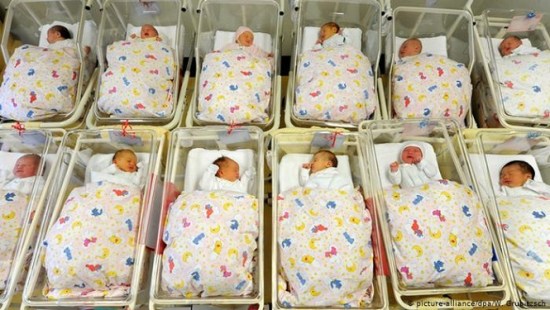
PS: At least some Germans are trying to fight back by making more babies.






 Observing Hermann