“Persistent weakness” sounds bad

But not as bad as “greatest real estate crisis since the financial crisis.”

The fun just never seems to end these days.

German bank alerts the market on exposure to commercial real estate – The troubles in the US commercial property market, which have already hit banks in New York and Japan, moved to Europe this week, elevating fears about broader contagion.

The latest victim was Germany’s Deutsche Pfandbriefbank AG, which saw its bonds slump on concern about its exposure to the sector. It responded by issuing an unscheduled statement Wednesday that it had increased provisions because of the “persistent weakness of the real estate markets.”

It described the current turmoil as the “greatest real estate crisis since the financial crisis.”

German of the day: Zusammenbruch

That means collapse.

German homebuilding collapse threatens wider economic damage – Once-thriving residential construction industry has slumped, posing drag on EU’s largest economy.

Across Germany, homebuilders are facing such a sharp reversal in their fortunes that the downturn in residential construction is threatening to have broader repercussions across Europe’s largest economy.

Many have declared themselves insolvent, dampening Chancellor Olaf Scholz’s target of building 400,000 new homes a year to tackle a housing affordability crisis in several of the country’s largest cities.

Largest housing price drop in 2000 years?

Damn. That’s a big drop.

Oh. Since the year 2000. But still.

German housing prices show sharpest drop since 2000 year over year, statistics office says – German housing prices fell by the most since records began in the second quarter as high interest rates and rising materials costs took their toll on the property market in Europe’s largest economy, government data showed on Friday.

Residential property prices fell by 9.9% year-on-year, the steepest decline since the start of data collection in 2000, the federal statistics office said. Prices fell by 1.5% on the quarter, with steeper declines in larger cities than in more sparsely populated areas.

Renting is never a good idea…

If you can buy instead.

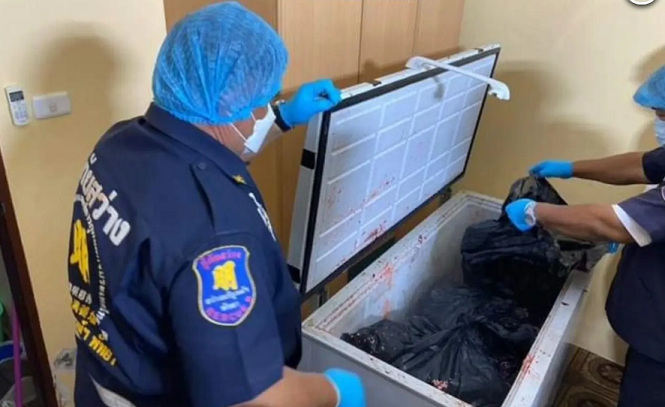
German real estate tycoon’s dismembered body found in freezer at Thai rental home.

The body of a German real estate tycoon who disappeared last week was found dismembered and stuffed inside a freezer in a rental home in Thailand, according to local reports.

Expat Hans Peter Mack, 62, had been missing since July 4 when his 24-year-old Thai wife said he failed to come home from a business meeting.

Soaring Interest Rates, Weakening Economy, Record Inflation…

What’s not to like?

Oh, yeah. Commercial real estate is taking a dive now too.

German Real Estate Deals Plunged 50% in Fourth Quarter, BNP Says

Germany’s real estate market took a deep hit in the fourth quarter as investors shied away from deals on the back of soaring financing costs.

Total investments in the country’s commercial property sector only reached €9.9 billion ($10.6 billion) in the last three months of 2022, a decline of 50% compared with the five-year average for the period, according to a report released by BNP Paribas’ real estate unit on Monday. The development is largely due to soaring interest rates, a weakening economy and record inflation, it said.

When You Wash Money In Germany

You know it’s going to get washed properly. Germans have this squeaky-clean reputation to live up to, after all.

Wash

It’s the easiest place in Europe to do this kind of thing and everybody who’s anybody in the crime and terror world knows it. I’m sure that will soon change though. Not.

Germany sees record spike in money laundering cases – Germany’s Financial Intelligence Unit says suspected cases of money laundering and terrorist financing jumped by 50% in 2019. The real estate market is especially vulnerable when it comes to suspicious transactions.

“One problem for us is that the prosecution of money laundering in Germany isn’t traditionally well established.”

German Of The Day: Eigentum

That means property. But property doesn’t mean much in Germany anymore. At least not in Berlin under its current “red-red-green” city government.

Property

Another word you might be interested in here is Enteignung.

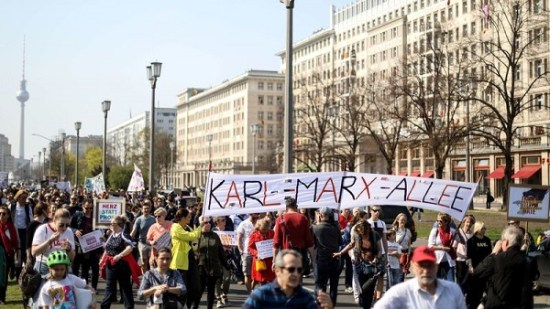
German officials facing protests and endless complaints about threats to affordable housing in the nation’s capital have decided the solution may be a five-year ban on rent increases and fines as high as $550,000 for violators.

Officials in Berlin, a city of about 3.7 million residents long known for its affordable housing options, announced this week that they plan to temporarily freeze the rents charged on publicly and privately owned apartments in a bid to halt runaway gentrification.

“It will scare away investors who will find alternative markets with less regulation. It’s a socialist and populist attack on the free market and it’s not going to lead to a single new apartment being built.”


Keep Berlin Poor!

And sexy, of course.

It all used to be so easy. But now property prices are rising like mad. This is not sexy, I am told. Unless, of course, you own property here, which practically nobody does. And that brings us back to poor…

Poor

About 85% of Berlin’s 3.4 million residents live in rentals and homeownership remains remarkably low — a condition fostered by the city’s turbulent history, Cold War division and five decades of communist rule in East Berlin. Almost by nature, Berliners tend to have a low regard for property owners…

Though still modest compared with other cities in Europe, rents in Berlin have risen 75% in the last five years. A recent survey by the property consultant group Knight Frank showed that property prices in Berlin rose 21% in 2017, the steepest rate in its survey of 150 cities around the world and far above the average increase of 4.5%. The biggest increases that year in the United States were Seattle, where rent rose 12.7%, and San Francisco, where they were up 9.3%.

“Once you move into an apartment in Germany, you are basically in the lease for life unless you cancel it yourself.”

Yuppie Scum Need Not Apply

What would you do if hords of uninvited strangers suddenly started pouring into your city for temporary visits in order to pump boatloads of money into your local economy? What would you do if affluent and upwardly mobile young expats moved into your neighborhood(s) and started opening businesses, buying homes and increasing the property values there?

Gentrification here? Nein, danke!

Why you’d freak the hell out and demand that they get the freak out of Dodge by sundown, wouldn’t you? Oh, you wouldn’t? Then you’re not German. Worse still: You don’t live in Berlin and you’re not a Berliner, either.

Viva the Hipster Antifa Neukölln or something.

“The anti-foreigner thing started as a bit of a joke but now it is much more serious. This is critical, it is sneaking into mainstream thinking – it’s almost being perceived as normal to dislike tourists.”